
Last updated October 31, 2026
 Home additions & ADU
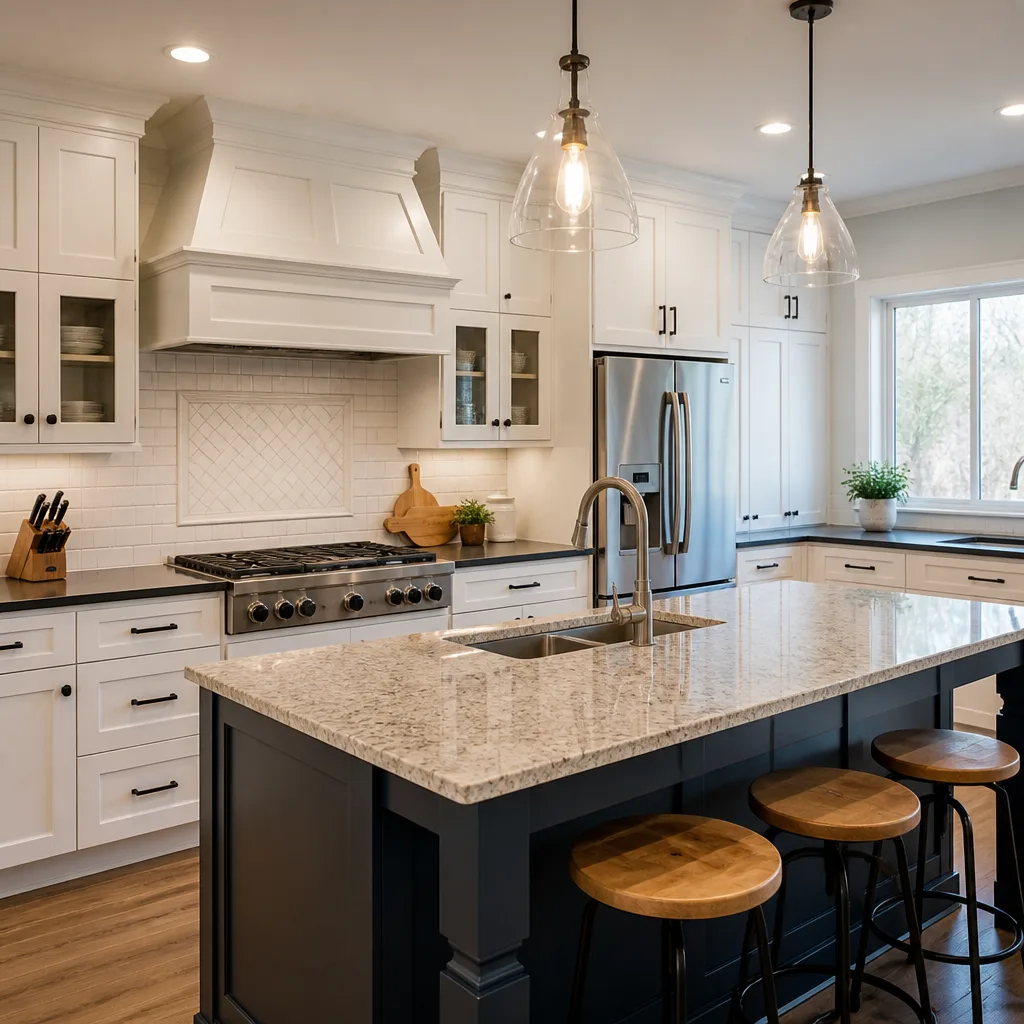 Kitchen remodeling
 Bathroom remodeling
 Roofing
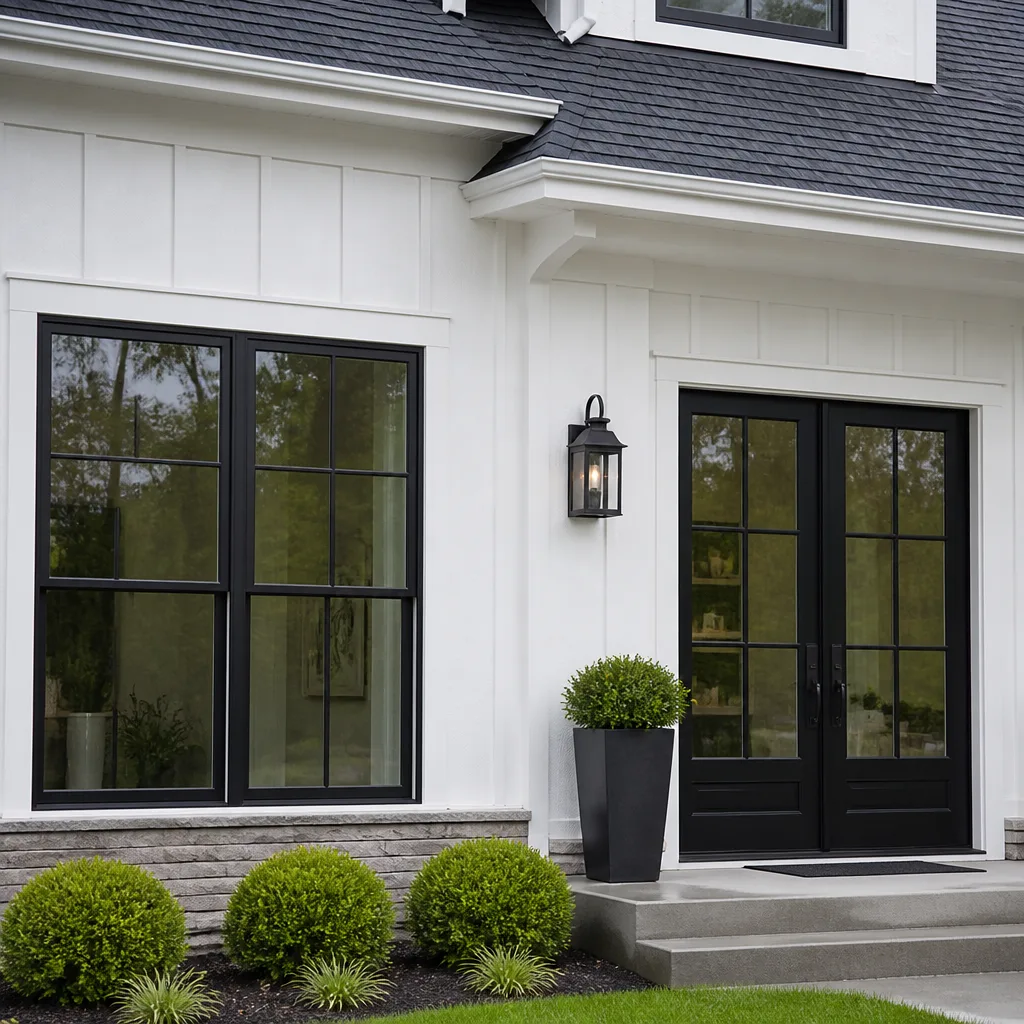 Windows & doors
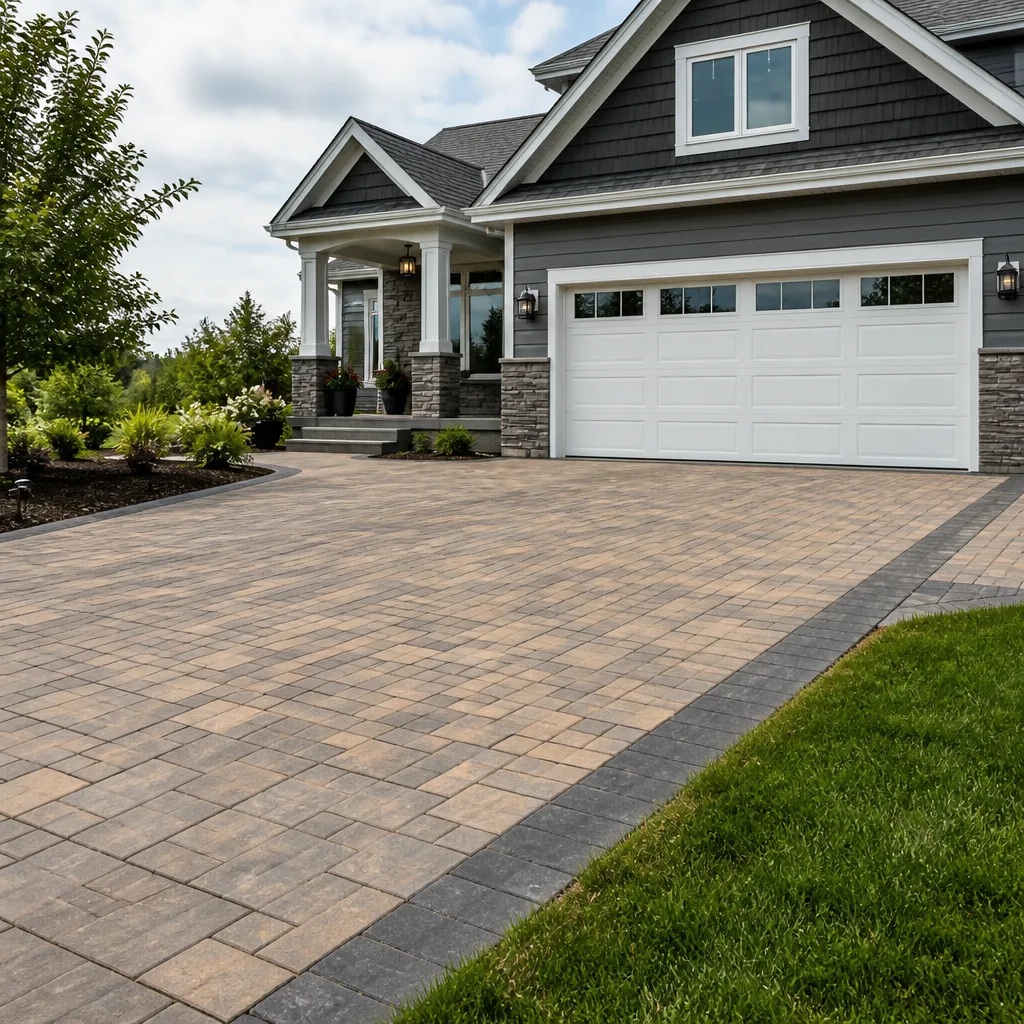 Driveway & pavers
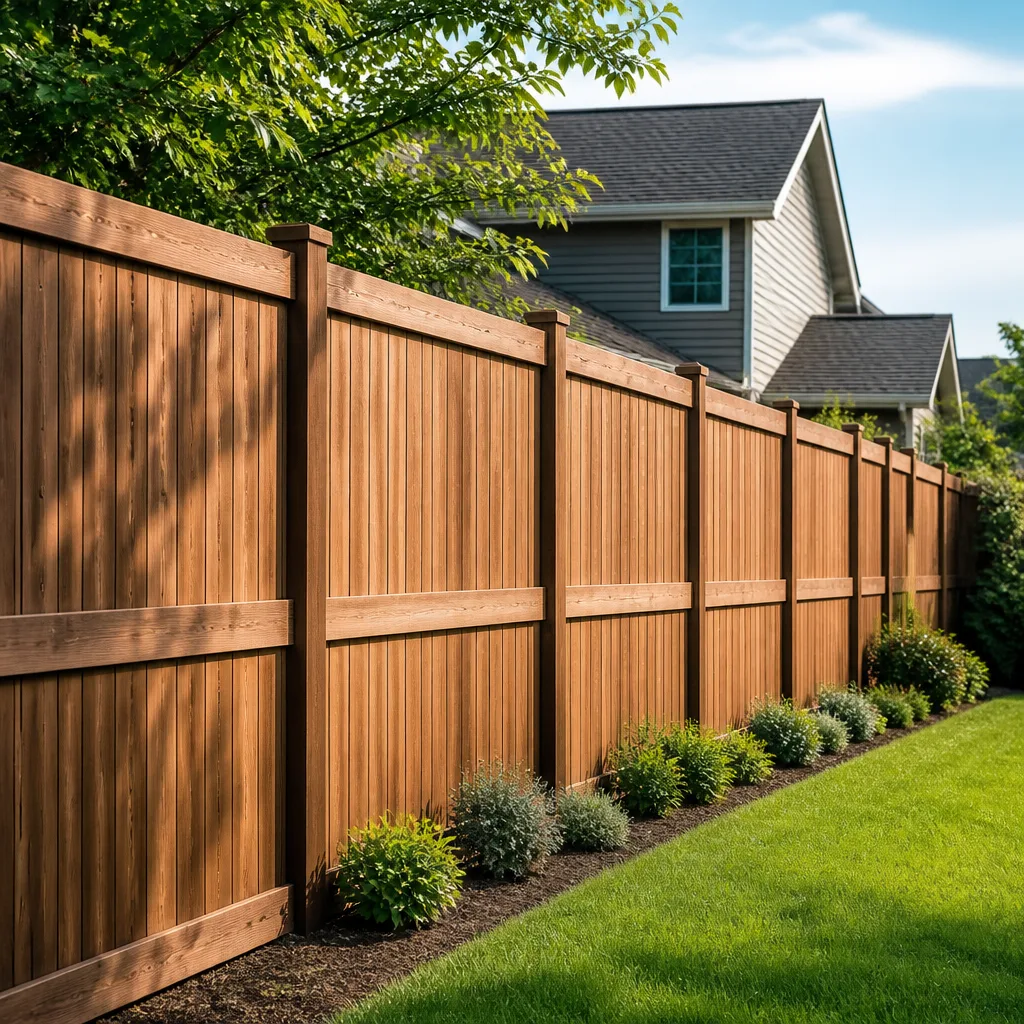 Fence
Free written scope consultation - allowances, timeline, and change-order rules on paper before a single trade is scheduled
DIY vs Professional Construction: The Milpitas Homeowner’s Decision Guide
California is one of the few states where a homeowner can legally pull an owner-builder permit and act as their own general contractor. What most Milpitas homeowners don’t realize until it’s too late: that permit makes you personally responsible for code compliance, worker injuries, and construction defects, and that liability follows the property even after you sell it. This guide draws the real line between jobs worth doing yourself and jobs that demand a General Contractor in Milpitas, using California law, insurance realities, and real project cost data from the Milpitas market.
Quick Answer
DIY makes financial sense in Milpitas for cosmetic and non-structural work like painting, trim, landscaping, and basic demolition, where mistakes are cheap and permits usually aren’t required. For anything touching structure, electrical, plumbing, gas, roofing, or load-bearing walls, California law and your homeowner’s insurance policy make professional construction the only rational choice, and a licensed Home Remodeling in Milpitas contractor with single-contract accountability eliminates the liability gap that DIY creates.
Styles & brands we work with
Table of Contents
- What California Permit Law Actually Means for DIY Homeowners
- The Insurance Reality: What Your Policy Won’t Cover
- The Real Cost of DIY: Tools, Waste, Redos, and Your Time
- Projects Where DIY Genuinely Saves Money in Milpitas
- Projects Where Professional Work Is the Better Investment
- The Hybrid Model: Working Alongside a GC Without Voiding Warranties
- Why Material Selection Changes the DIY vs Pro Equation
What California Permit Law Actually Means for DIY Homeowners
Under California Business and Professions Code section 7044, a homeowner can pull an owner-builder permit for work on their own primary residence. That sounds like a green light for DIY construction, and for some projects it is. But the law cuts both ways. When you sign an owner-builder permit in Milpitas, you’re certifying under penalty of perjury that you understand the work must comply with the California Residential Code, the California Electrical Code, the California Plumbing Code, and the California Mechanical Code, and that you personally accept responsibility for that compliance—something a licensed contractor you hire properly would handle instead. If the work doesn’t meet code, the city can issue a stop-work order, require you to tear out non-compliant work, or place a lien on the property for unpermitted construction.
More significantly for anyone thinking about resale: California Civil Code section 1102 requires you to disclose all work performed without a licensed contractor to future buyers. You must state in writing whether permits were obtained and whether work was done by a licensed contractor. If you answer honestly and the buyer’s inspector finds problems, you negotiate against a known defect. If you answer dishonestly, you’ve committed fraud in a real estate transaction, which is not a civil disagreement, it’s a criminal offense under California Penal Code section 487. We’ve seen Milpitas sellers lose six figures on final sale price because unpermitted additions and owner-built electrical work showed up in a pre-sale inspection. The buyer didn’t walk away, they simply repriced the house to cover the cost of a licensed contractor fixing everything.
Certain project categories are not a gray area in Milpitas. Structural modifications including load-bearing wall removal, foundation work, and roof framing changes require engineering and a licensed contractor under California law. Any gas line work requires a contractor with a C-36 plumbing license or C-20 warm-air heating license, and in many Bay Area jurisdictions including Milpitas, homeowners cannot legally pull a permit for gas work at all. Electrical panel replacements, new circuits, and any wiring beyond replacing an outlet or switch require a C-10 electrical contractor. The city of Milpitas enforces these requirements through its building division, and unpermitted work discovered during a subsequent inspection can trigger a full review of the entire property.
Our position at Milpitas Construction home is straightforward: if the project requires a permit you wouldn’t feel comfortable defending in front of a plan checker, hire a licensed contractor. The permit fee is the same either way. The liability is not.
The Insurance Reality: What Your Policy Won’t Cover
Here’s the scenario most Milpitas homeowners never consider: you install a water heater yourself, three years later the connection fails while you’re at work, and the resulting water damage claim lands on your homeowner’s insurance. The adjuster asks who installed the water heater. You say you did. The claim is denied, not because the insurance company is mean, but because most HO-3 policies in California contain language excluding losses caused by faulty workmanship or materials, and many carriers add specific exclusions for losses arising from unpermitted work or work performed by the homeowner beyond basic maintenance. You’re now personally liable for the full cost of water damage remediation, which in a Milpitas slab-foundation home routinely runs $15,000 to $40,000.
This isn’t theoretical. Insurance carriers operating in California have systematically tightened their underwriting guidelines since the 2017 and 2018 wildfire seasons. Many now ask on application or renewal whether any unpermitted additions, modifications, or improvements exist on the property. Answer yes, and you may face non-renewal or a steep premium increase. Answer no, and then file a claim tied to that unpermitted work, and the carrier can rescind the policy entirely for material misrepresentation. Bay Area claims adjusters are trained to look for exactly this pattern: a plumbing leak, an electrical fire, a structural crack, all connected to recent work with no permit on file with the city of Milpitas.
There’s also the workers’ compensation exposure. If you hire a handyman, day laborer, or unlicensed helper to assist with your DIY project and that person is injured on your property, your homeowner’s insurance may deny the claim because you were acting as an employer without workers’ compensation coverage. California law is unforgiving here: unlicensed contractors and their workers frequently sue homeowners directly for injuries, and the homeowner’s insurance carrier denies coverage because the work arrangement violated policy terms. A licensed general contractor carries workers’ compensation for every person on your job site, and that coverage protects you from exactly this scenario.
The Real Cost of DIY: Tools, Waste, Redos, and Your Time
The most common math failure in the DIY vs professional decision is comparing your labor cost, which you value at zero, against a contractor’s bid, which includes labor at $75 to $150 per hour depending on trade. But DIY labor isn’t free. It’s time you’re not earning income, not spending with family, not recovering from your actual job. In Milpitas, where the median household income exceeds $150,000 per year, a homeowner’s after-tax time value is roughly $50 to $75 per hour. If a kitchen remodel takes a professional crew 200 labor hours, a competent DIYer should expect 400 to 600 hours to achieve the same result, and the result will still show evidence of a learning curve.
Tool acquisition is the second hidden cost. A full kitchen remodel requires a tile saw or wet saw, a miter saw, a table saw, a router, a jigsaw, an oscillating multi-tool, a laser level, a shop vacuum, and dozens of specialty hand tools. Renting some of this equipment from a Milpitas rental yard may run $300 to $600 for a weekend, but most projects extend across multiple weekends, and rental costs compound. Buying entry-level versions of these tools runs $1,500 to $3,000, and entry-level tools produce entry-level results. Pro-grade tools for a homeowner to complete one remodel would exceed $6,000, which is most of the labor overhead in hiring a contractor who already owns everything.
Material waste is the third cost homeowners systematically underestimate. Professional estimators build in 10 percent overage for tile, 15 percent for flooring, and 15 to 20 percent for trim and dimensional lumber. A first-time DIYer should expect 25 to 35 percent waste rates from cutting mistakes, breakage, and ordering errors. On a $10,000 material budget, that’s an additional $1,500 to $2,500 in pure waste that a professional would avoid through experience and proper planning. Redo costs compound the issue: we’ve inspected Milpitas DIY projects where improperly waterproofed showers, uneven tile layouts, and out-of-square framing required complete tear-outs before the work could be brought to a sellable standard. The homeowner paid for the materials twice and the labor three times, once for the original mistake, once for tear-out, once for professional correction.
Projects Where DIY Genuinely Saves Money in Milpitas
The responsible answer isn’t “never DIY.” It’s “DIY in the categories where the downside is small and the skill threshold is realistic for a patient homeowner.” In Milpitas, with our mild Mediterranean climate and relatively low humidity compared to coastal Bay Area cities, several project categories are well-suited to owner work.
Interior painting
Painting is the classic money-saving DIY project, and in Milpitas it works. Professional interior painting for a 1,800-square-foot Milpitas home runs $6,000 to $12,000 depending on prep, number of colors, and ceiling height. DIY materials, including quality paint from Benjamin Moore or Sherwin-Williams, run $600 to $1,000 for the same scope. The skill requirement is moderate, the downside of mistakes is cosmetic only, and no permit is required. Most homeowners can produce professional results with careful prep and the right tools.
Non-structural demolition
Gutting a bathroom or kitchen down to the studs is labor-intensive but not technically complex. In Milpitas, waste disposal is the main logistical hurdle: a 10-yard roll-off dumpster from a local hauler runs $400 to $600, and the city requires proper disposal of debris at approved facilities. If you’re not touching load-bearing walls, electrical, or plumbing supply lines, homeowner demolition can save $1,500 to $3,000 on a typical remodel.
Landscape and hardscape-adjacent work
Planting, mulching, irrigation adjustments, and basic patio paver installation that doesn’t require grading or retaining walls are reasonable DIY projects in Milpitas. The city’s clay-heavy soil requires proper base preparation for pavers, with 4 to 6 inches of compacted aggregate base and 1 inch of bedding sand, and if you’re willing to learn that process, material costs for a 200-square-foot paver patio run $1,800 to $2,600 versus $5,000 to $7,000 installed. The catch: paver failure from improper base prep is the single most common DIY hardscape mistake we correct, and the fix requires pulling up every paver and starting over.
Light trim and millwork
Replacing baseboards, door casing, and crown molding is achievable for a homeowner with a compound miter saw and patience. Material costs for a single room run $200 to $500, and professional installation for the same scope is $800 to $1,500. The learning curve is real but shallow, and mistakes are cosmetic.
The common thread across all of these: none of them touch structural systems, none require a permit in Milpitas, and none create liability exposure beyond the cosmetic value of the work itself. If a DIY paint job fails, you repaint. If a DIY electrical job fails, you’re facing a house fire.
Projects Where Professional Work Is the Better Investment
The margin of error on certain projects is so thin, and the consequences of failure so severe, that professional construction isn’t a luxury, it’s the rational economic choice. Here’s the line we draw in Milpitas, based on what we see when we’re called in to correct DIY attempts.
Electrical work beyond device replacement
Replacing an outlet or switch is a homeowner-level task. Adding circuits, upgrading a panel, running new wiring, installing recessed lighting, or anything inside a wall is not. Milpitas homes built in the 1960s and 1970s often have original electrical panels that don’t meet current demand loads, and adding circuits to an undersized panel without understanding load calculations creates a genuine fire hazard. California requires a C-10 licensed electrical contractor for this work, and no homeowner’s insurance policy in the state will cover a loss traced to homeowner electrical work that required a permit and didn’t have one.
Roofing and roof-related work
Milpitas gets roughly 15 inches of rain annually, concentrated in a short winter window. A roof failure during those storms causes immediate, extensive interior damage. Roofing work carries real fall risk, and the material systems, including underlayment requirements, ventilation calculations, and manufacturer warranty provisions from brands like GAF and CertainTeed, are more technical than they appear from the ground. A GAF warranty requires installation by a certified contractor. DIY installation voids the manufacturer warranty entirely. The savings from DIY roofing, typically $4,000 to $8,000 on a Milpitas home, are dwarfed by the cost of a single interior water damage event.
Structural modification
Removing walls, changing rooflines, cutting into foundations, adding windows or doors in load-bearing walls, or building additions all require engineering, permits, and professional execution. The California Building Code requires structural calculations stamped by a licensed engineer for these scopes, and the city of Milpitas will not issue a permit without them. A licensed general contractor manages this process as a standard part of the project. A homeowner attempting to navigate plan check, engineering, and inspection independently will spend months and thousands of dollars before the first piece of framing goes up.
Plumbing and gas line work
Any gas line work in Milpitas requires a licensed contractor, full stop. Water supply and drain line modification requires a permit and inspection. We’ve seen DIY plumbing failures that flooded entire first floors because a homeowner didn’t understand venting requirements, pipe sizing, or connection methods. The material list for a bathroom rough-in is $800 to $1,200. The repair cost for a failed DIY rough-in behind finished walls is $8,000 to $15,000, because the walls have to come apart to access the mistake.
Any project touching waterproofing
Shower pans, tub surrounds, exterior door and window flashing, balcony waterproofing, and below-grade work all have one thing in common: the failure isn’t visible until the damage is extensive. Milpitas’s clay soil expands and contracts with seasonal moisture, which stresses foundations and below-grade waterproofing in ways that require specific product knowledge and installation technique. Improperly flashed windows cause rot that hides inside walls for years. Improperly waterproofed showers cause mold that affects indoor air quality and occupant health. These are the projects where the professional fee is insurance against invisible failure.
The Hybrid Model: Working Alongside a GC Without Voiding Warranties
Most Milpitas homeowners don’t know that working with a general contractor isn’t an all-or-nothing arrangement. The industry standard allows for a negotiated division of labor where the homeowner handles specific scopes and the contractor handles everything that touches permit, structure, and warranty. This hybrid model is underused because most contractors resist it, and most homeowners don’t know to ask. But it’s the most honest answer to the DIY vs professional question for budget-conscious homeowners who still want a quality result.
Here’s how a hybrid arrangement typically works with a full-scope general contractor in Milpitas:
- Define the permit-required scope. Anything that needs a permit, engineering, or inspection, the contractor handles. This includes structural, electrical, plumbing, gas, roofing, and any exterior envelope work.
- Define the finish-work scope the homeowner wants. Painting, trim, some demolition, landscaping, and final cleanup are the most common homeowner-retained items. These are non-permit scopes with cosmetic-only risk.
- Establish a written agreement. The contract must specify which scopes the homeowner owns, which scopes the contractor owns, and crucially, that the contractor’s workmanship warranty applies only to contractor-owned scopes. This protects both parties from finger-pointing.
- Sequence the work. The contractor establishes the schedule so homeowner work never blocks or delays contractor work. In practice, the homeowner typically works weekends while the contractor’s crews work weekdays.
- Set inspection boundaries. The contractor’s superintendent inspects homeowner work at defined checkpoints for free, flags issues before they become expensive, and documents the condition of the work for warranty purposes.
- Disclose the arrangement to future buyers. Even hybrid work requires full transparency on resale disclosure. The contractor-owned work carries its permit and inspection record. The homeowner-owned work is disclosed as owner-performed.
The savings from a hybrid model are real but smaller than homeowners expect: typically 5 to 10 percent of total project cost, because the contractor is still carrying all the liability for the permit-required scope, and that liability is the expensive part. What the hybrid model really buys is control. Homeowners who want to do their own painting or trim work get the satisfaction of hands-on involvement without the liability of being their own general contractor.
One caution from years of walking Milpitas job sites: any contractor who enthusiastically agrees to a fully open-ended hybrid arrangement with no written scope division is not planning to warranty anything. The serious contractors specify the arrangement in writing, usually with a modest premium added to cover coordination overhead, and the unserious ones avoid written commitments entirely.
Why Material Selection Changes the DIY vs Pro Equation
There’s a structural information asymmetry in the construction materials market that most Milpitas homeowners never see. Big-box stores sell one tier of product, contractor supply houses sell another, and many of the best products are not available to retail buyers at all. This matters because material quality is often the difference between a project that lasts ten years and a project that lasts thirty.
Consider cabinetry. A homeowner shopping at a retail warehouse sees particleboard boxes with thermofoil doors and assumes that’s what cabinets are. A contractor specifying KraftMaid or Wellborn cabinetry through trade channels accesses hardwood frames, plywood boxes, dovetail drawer construction, and finishes that tolerate Milpitas’s temperature swings without delaminating. The homeowner literally cannot buy this product tier at retail, and if they could, the price would exceed what a contractor pays through volume accounts. The same pattern holds across every trade: Cambria and Caesarstone countertop tiers are contractor-only, James Hardie siding requires certified installation for warranty, and GAF roofing systems are only warrantied through certified contractors.
This is the quiet advantage of a full-scope general contractor with access to 50-plus brand-name product lines. We spec materials by name, so you know exactly what’s going into your home, and the pricing reflects contractor trade rates, not retail markup. A Milpitas homeowner doing a DIY kitchen remodel with retail materials and a hybrid contractor doing the same remodel with trade-tier materials might end up paying the same total amount, with dramatically different long-term durability.
Fencing is a useful example. Retail fence panels from a big-box store use pressure-treated pine or low-grade cedar that starts warping within two seasons. Trade-tier fence products from manufacturers like Master Halco or Ameristar, which include steel post systems and properly kiln-dried materials, last two to three times as long. The retail panel is cheaper at point of purchase and more expensive on a per-year basis. In Milpitas, where fences take full afternoon sun on the west side and fog moisture from the bay on winter mornings, material grade is not an aesthetic decision. It’s a longevity decision.
For homeowners weighing a Home Renovation in Milpitas, this material access gap is the most underappreciated benefit of professional construction. You’re not just buying labor. You’re buying access to materials that aren’t available to retail buyers at prices that reflect trade volume. The DIY savings calculation that ignores this is incomplete.
Common Mistakes to Avoid
- Treating permit requirements as optional. Milpitas building officials cross-reference permit records against property sales, and unpermitted work discovered at inspection time becomes an immediate, expensive correction. Pull the permit or don’t do the work.
- Valuing your own labor at zero. In Milpitas, with a median household income above $150,000, your time is worth $50 to $75 an hour. A 400-hour DIY project is a $20,000 to $30,000 time investment. Count it.
- Ignoring the warranty difference. Manufacturer warranties from GAF, James Hardie, KraftMaid, and virtually every trade-tier brand are void when homeowner-installed. You’re not just paying for labor when you hire a pro. You’re buying warranty coverage that DIY cannot provide.
- Underestimating waste and redo rates. Professional tile setters waste 5 to 10 percent. First-timers waste 25 to 35 percent. On a $10,000 material budget, that’s real money on top of the labor you’re giving away free.
- Hiring unlicensed help to save money. The handyman who charges $40 an hour and asks for cash is not carrying workers’ comp or liability insurance. If he gets hurt on your Milpitas property, you’re the employer. If he does substandard work, you have no recourse. The savings vanish the first time something goes wrong.
- Starting demolition before understanding what’s inside the walls. Milpitas homes from the 1960s and 1970s may contain asbestos in drywall mud, flooring, and insulation. Disturbing it without testing and proper abatement creates a health hazard and a legal liability. Test before you demo.
- Believing a YouTube video makes you qualified. Video tutorials show technique, not judgment. Judgment is knowing what’s behind the wall you’re about to cut, when a material is wrong for the application, and what code requires in a specific situation. That takes years, not hours.
See the difference
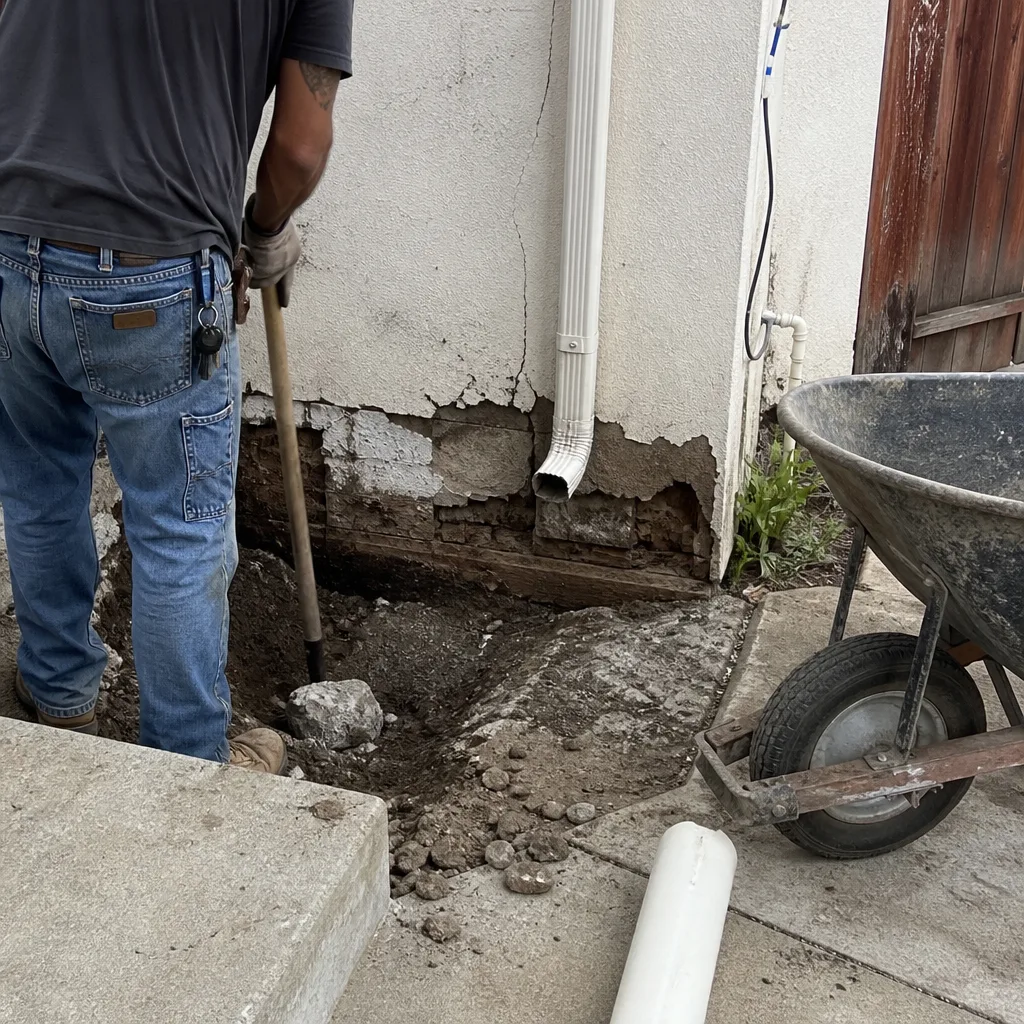 Before
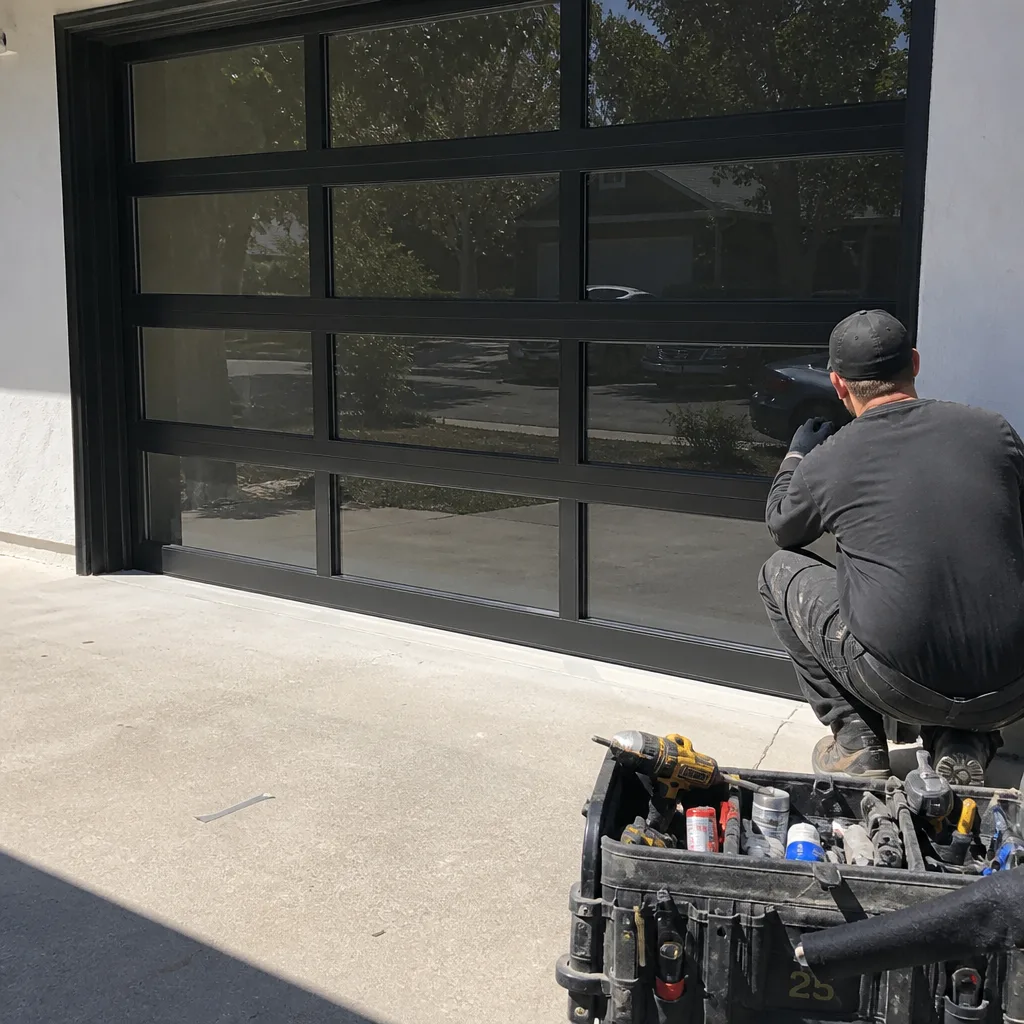 After
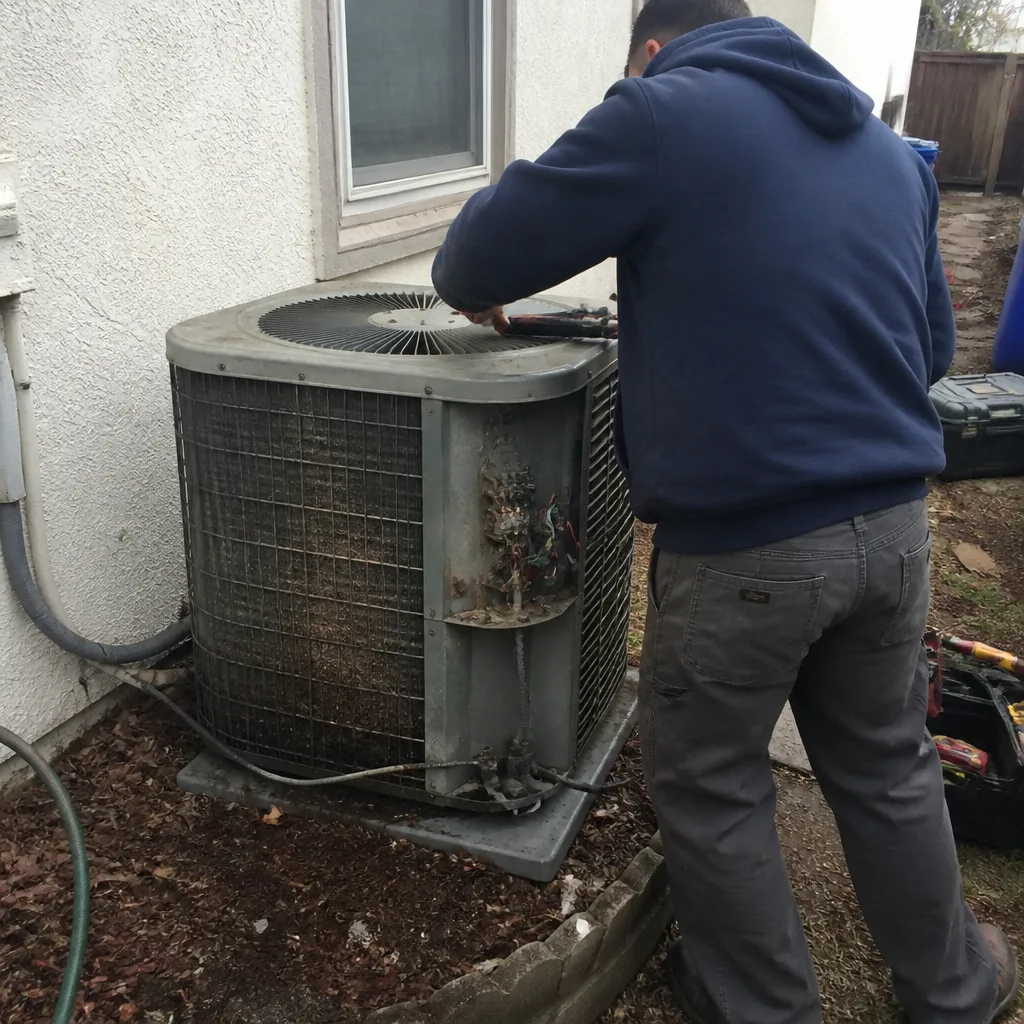 Before
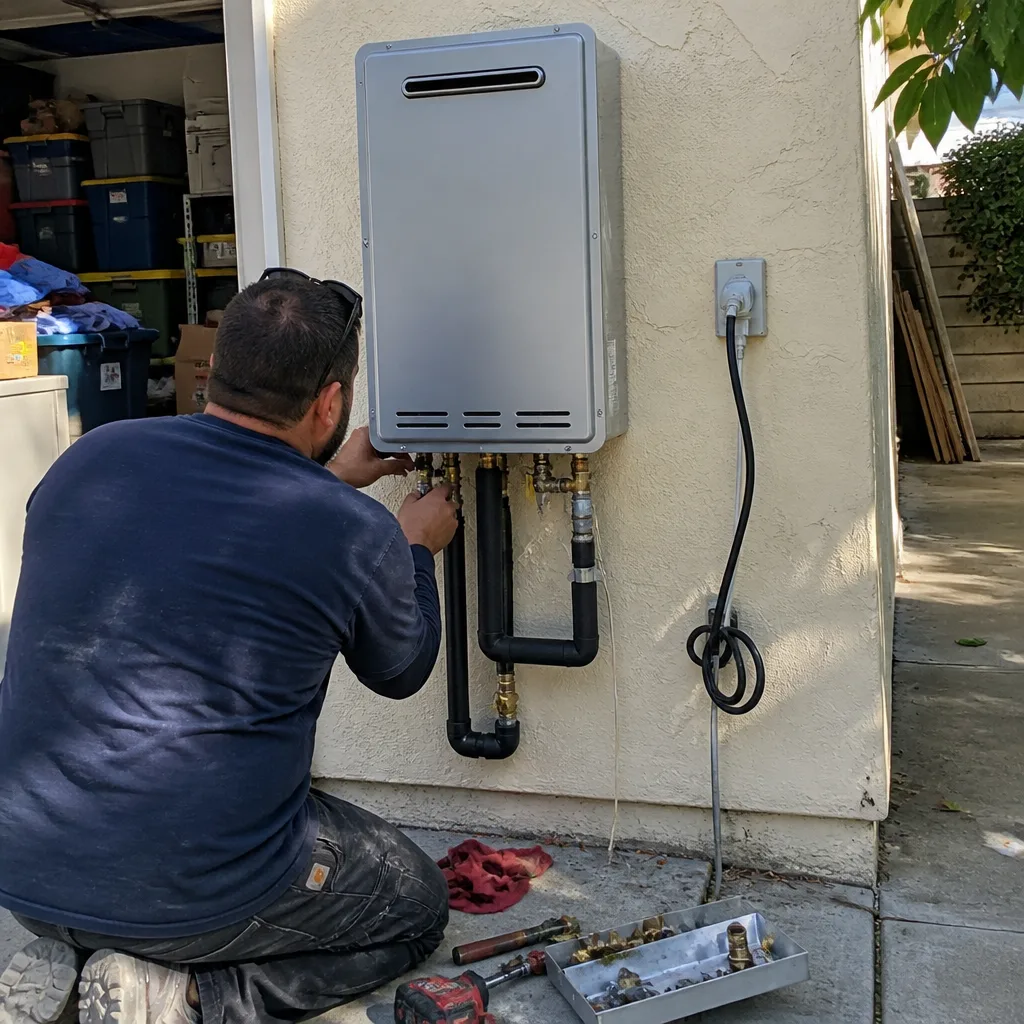 After
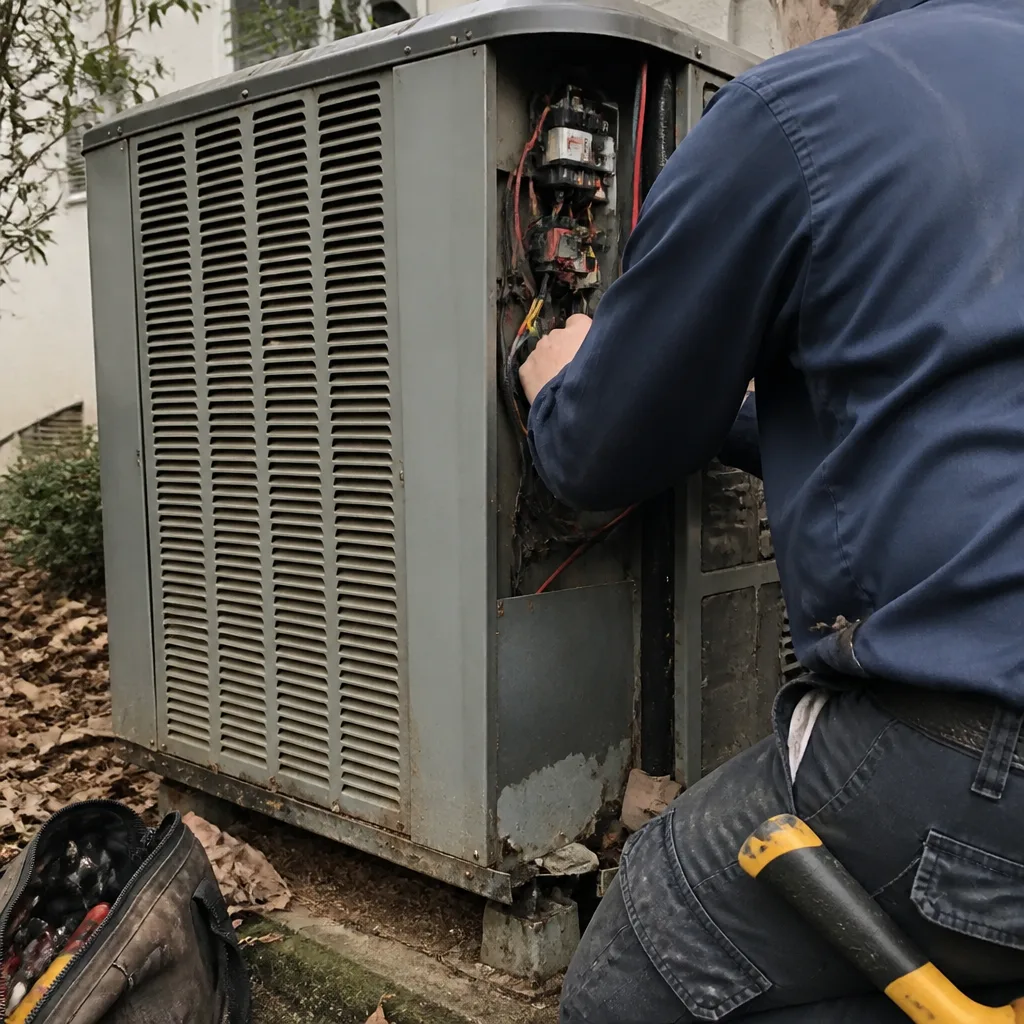 Before
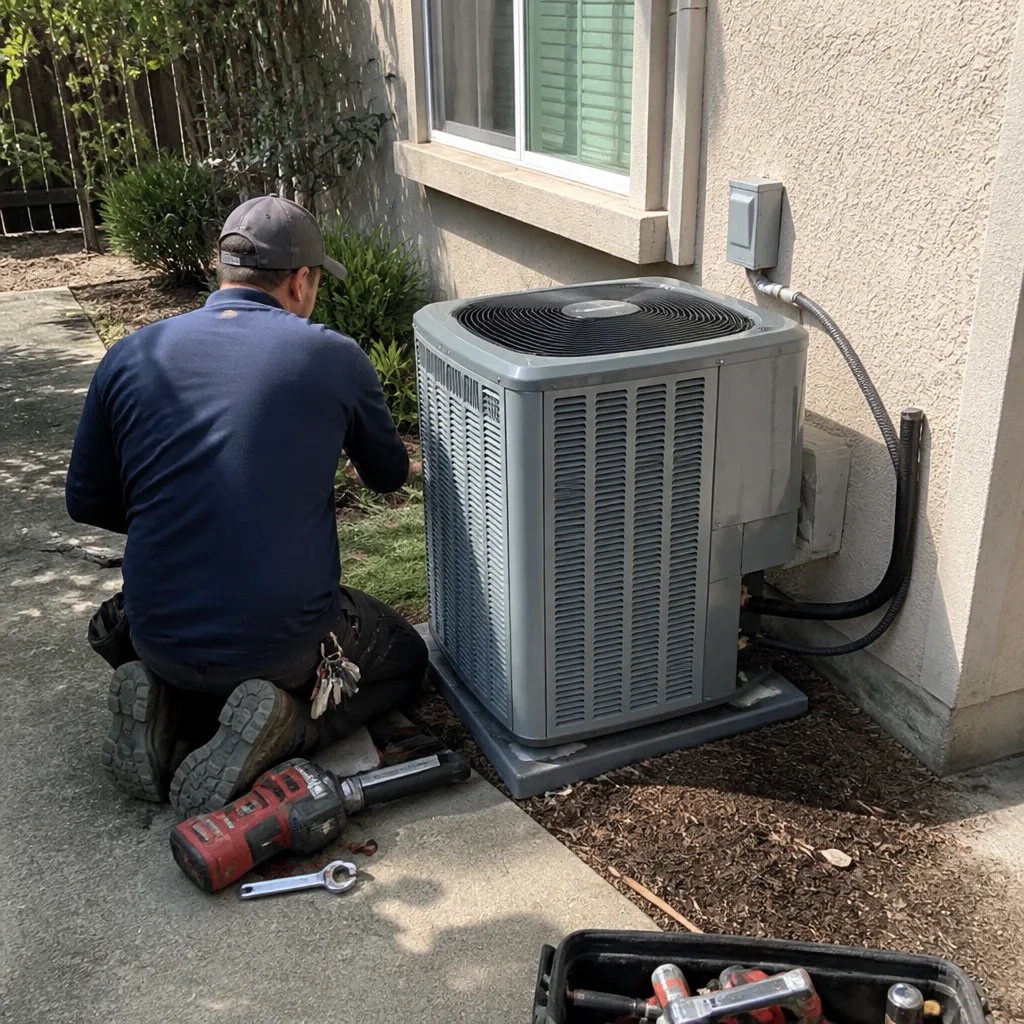 After
When to Call a Professional
Call a professional if the project requires a permit, touches structure, electrical, plumbing, gas, roofing, or waterproofing, voids a manufacturer warranty when homeowner-installed, or involves materials you can’t source at the quality level you want—our General Contractor Troubleshooting guide covers how to spot these red flags. Call a professional if you need the work done on a timeline, because DIY runs two to three times longer than contractor schedules. Call a professional if the project will need to be disclosed on resale and you want that disclosure to strengthen your negotiating position rather than weaken it. Milpitas Construction offers free estimates in Milpitas, call (877) 752-4194 to talk through your project with a general contractor who handles the whole scope, from roofline to kitchen counter, under one contract and one point of contact.
Frequently Asked Questions
Yes, California law allows owner-builder permits for homeowner-occupied primary residences, but Milpitas building officials require you to personally certify code compliance, and you become legally responsible for any defects or code violations discovered later, even after you sell the property. For anything structural or system-related, hiring a licensed contractor shifts that liability off your shoulders. Call (877) 752-4194 to ask whether your specific project falls in the homeowner-permit zone.
A mid-range professional kitchen remodel in Milpitas runs $45,000 to $90,000 depending on scope, while a competent DIY version typically lands at $25,000 to $50,000 in materials including tools, waste, and likely redo work. The savings are real, but they come with no warranty, no permit protection, and a timeline that stretches months longer than a contractor schedule.
Many California homeowner’s policies exclude losses caused by faulty workmanship or unpermitted owner-performed improvements, meaning a DIY plumbing failure that floods your Milpitas home is likely a denied claim. The water damage repair, mold remediation, and code correction come out of your pocket, often $20,000 to $60,000 for a single event.
Yes, and you should negotiate this hybrid arrangement in writing before any work begins. The standard model keeps permit-required work, structural systems, and manufacturer-warrantied products with the contractor, while homeowner work stays limited to cosmetic scopes like painting, trim, and non-structural demo. Call (877) 752-4194 to discuss a hybrid scope for your Milpitas project.
Never attempt gas line work, electrical panel changes or new circuits, structural wall removal, roofing, foundation work, or any waterproofing-dependent scope like shower pans or window flashing. These are the projects where the margin of error is measured in inches, the failure isn’t visible until the damage is extensive, and the financial consequences exceed any plausible material savings.
Fence installation in Milpitas generally requires a permit when the fence exceeds height limits or sits in a front-yard setback, while standard backyard fences under 6 feet typically don’t require one. The material choice still matters: retail fence panels fail years before trade-tier products from manufacturers like Master Halco or Ameristar, and a contractor installs them with proper post depth for Milpitas’s clay soil conditions.
The Bottom Line
The DIY vs professional decision in Milpitas is not primarily about how skilled you are. It’s about who carries the legal and financial risk when something goes wrong, and how much access you have to materials and warranties that determine how long the work lasts. DIY is the right choice for cosmetic, non-permit scopes where a mistake costs a weekend and a few hundred dollars. Professional construction is the rational choice for anything structural, systemic, or waterproofing-related, where a mistake costs tens of thousands and can follow you for years after you sell. A hybrid arrangement splits the difference honestly and in writing. If you’re uncertain where your project falls, one free conversation with a licensed general contractor usually answers it, and you can find more guides & resources on our blog to prepare. Call (877) 752-4194 to schedule a free estimate.
Written by the team at Milpitas Construction, serving Milpitas since 2018.