

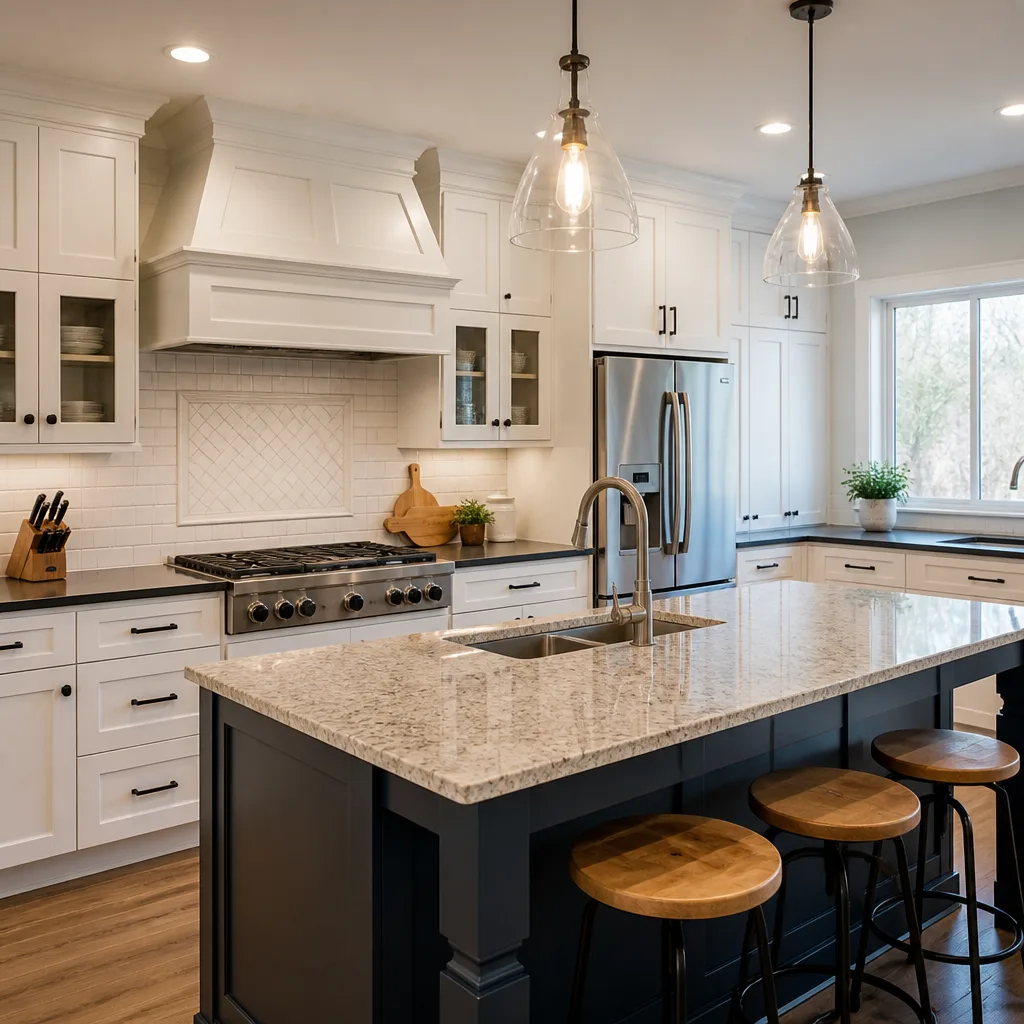
 Kitchen remodeling
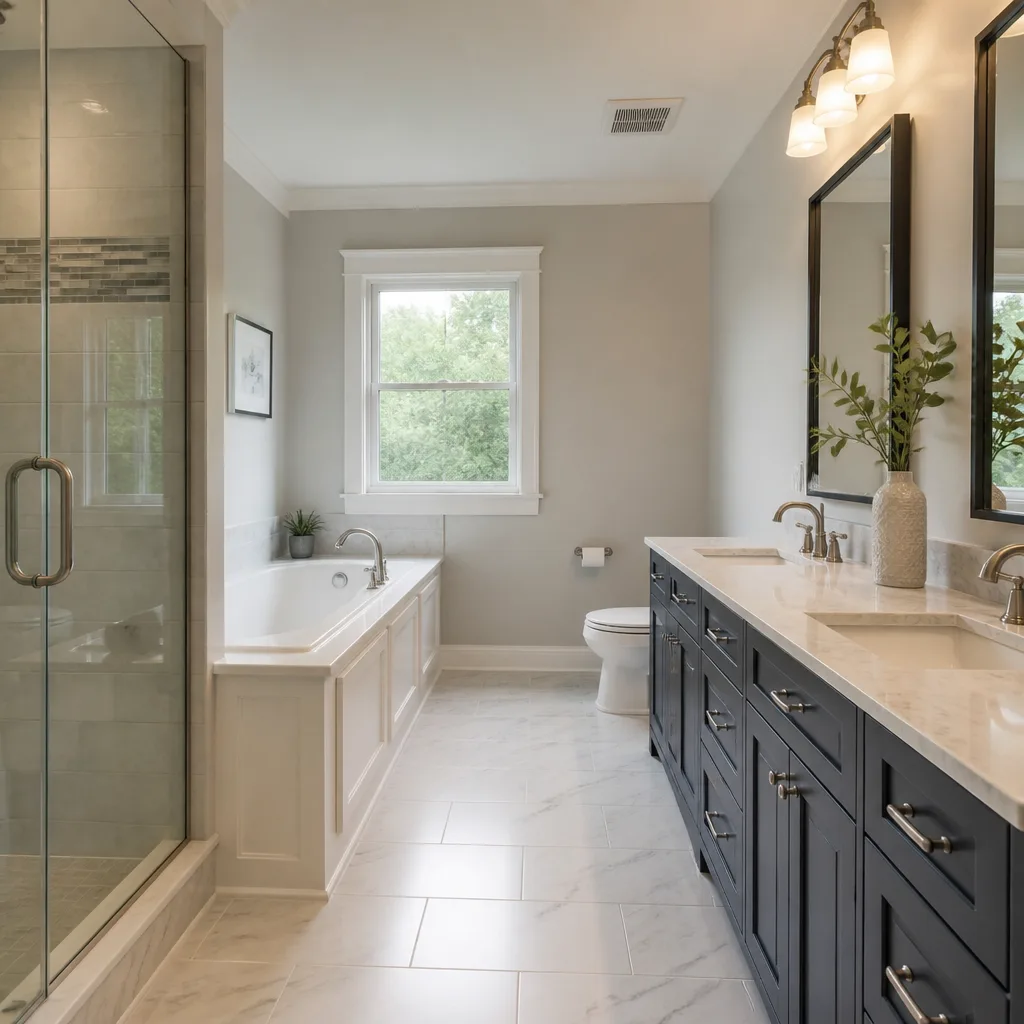 Bathroom remodeling
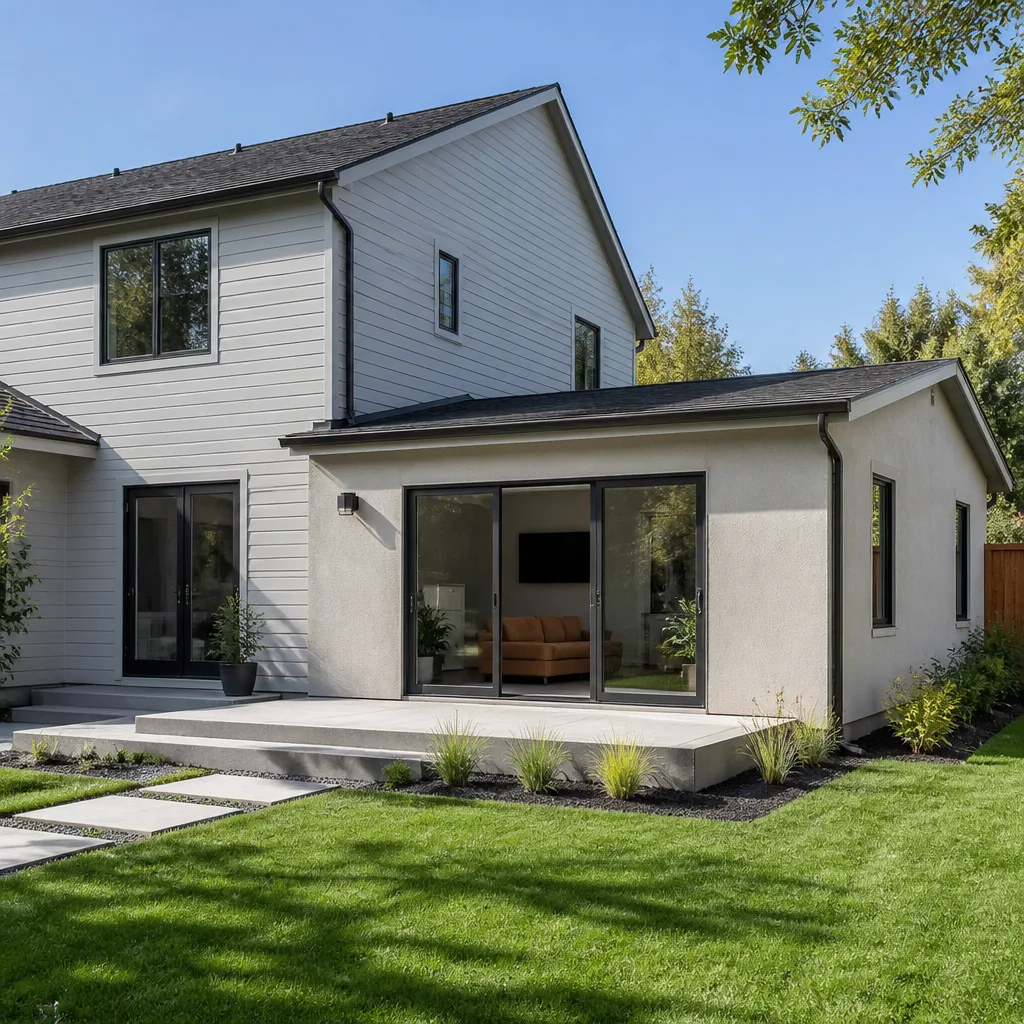 Home additions & ADU
 Roofing
 Windows & doors
 Driveway & pavers
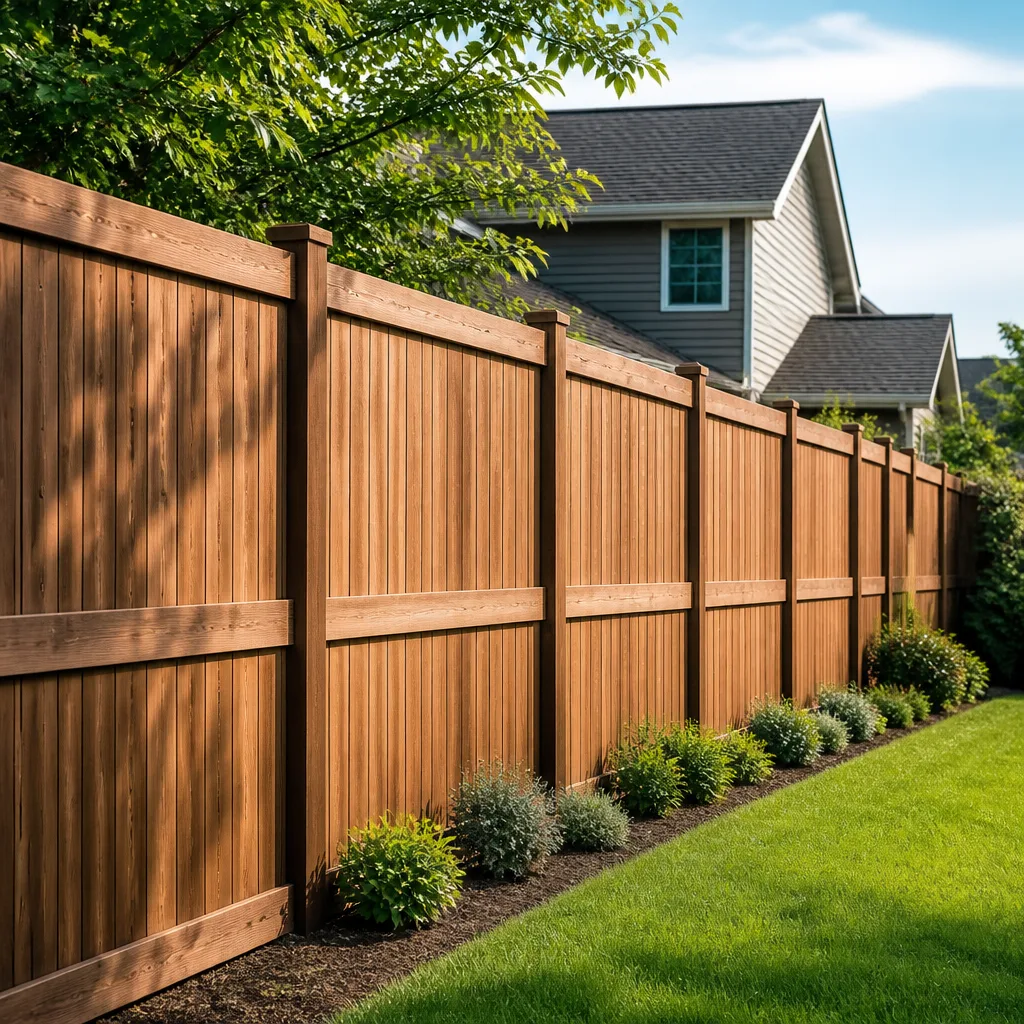 Fence
Free written scope consultation - allowances, timeline, and change-order rules on paper before a single trade is scheduled
Silestone Construction in Stanford, CA | Milpitas Construction
We provide independent Silestone installation, repair, and replacement across Stanford, and the single thing that separates our Silestone work here from anywhere else is navigating the university’s private permitting and design-review process before a slab ever gets cut. Since Milpitas Construction first started working with engineered quartz, we’ve handled Silestone in faculty homes, campus-adjacent residences, and older Stanford housing stock where the substrate underneath matters just as much as the surface on top. Call (877) 752-4194 to schedule a free estimate, and we’ll tell you straight whether your project is a simple surface swap or something requiring review.
Why Stanford Residents Choose Us for Silestone Service
Ken Stafford has spent over two decades building and remodeling around the Bay Area, and he’ll be the first to tell you that Silestone behaves differently depending on what’s underneath it. In Stanford’s 1950s and 1960s faculty housing, the original cabinetry has often shifted, settled, or sagged, which is exactly why seams open and edges chip. We’re a full-scope general contractor, not a countertop-only shop, so when we install a Silestone surface in a Stanford kitchen, we’re also checking what that surface is sitting on.
Our Silestone sales & service experience comes from templating, cutting, and finishing slabs across hundreds of Bay Area kitchens, bathrooms, and islands. We’ve worked with Calacatta Gold, the Eternal Series, Lyra, Blanco Zeus, and Charcoal Soapstone enough to know which slabs need extra expansion clearance and which finishes show wear from direct UV. We bring that judgment to every Stanford job, no manufacturer oversight involved.
Styles & brands we work with
Common Silestone Construction Problems We Solve in Stanford
- Edge chipping and seam separation. Many Stanford homes from the 1950s through the 1970s have original cabinet runs that have drifted out of level. When a Silestone slab was set over that uneven substrate years ago, the seam adhesive eventually fails and the edge starts taking hits. We re-shim the base before we touch the stone.
- Etching and dulling around sink and cooktop cutouts. Stanford’s wet winters mean moisture finds its way into unsealed seam adhesive, and acidic cleaners finish the job. We see this constantly in faculty kitchens where decades of use have broken down the finish. We recut, reseal, and re-polish where the damage is surface-level.
- Thermal shock cracking near wall ovens and ranges. Tight galley kitchens in older Stanford floor plans often have the range butted against a run of stone with insufficient expansion clearance. The slab heats, expands, and cracks at the weakest point, usually right at the inside corner of the cutout. Our templating accounts for that clearance from the start.
- Yellowing and haze on lighter Silestone whites. South-facing kitchens with original single-pane windows in Stanford get hammered with afternoon sun. Blanco Zeus and Lyra slabs exposed to that UV load can develop a dull film or yellow cast over time. We rework the surface or recommend a different Silestone finish for the exposure.
- Failed substrate under an otherwise good slab. We’ve pulled Silestone tops in Stanford where the stone itself was still solid, but the particleboard or plywood underneath had swollen from a slow plumbing drip. The slab gets saved, the substrate gets replaced, and the job gets done right the second time.
Silestone Service in Stanford: What Local Conditions Mean for Your Equipment
Here’s what most contractors miss when they work in Stanford: the university runs its own building department, not Santa Clara County, and that department signs off on permits for campus-area projects. What that means for a Silestone countertop job is that even a straightforward slab replacement inside a university-owned faculty home can push into design-review territory if the work touches a wall, window, or backsplash near historic Stanford sandstone. That buff-colored masonry triggers extra scrutiny for any facade-adjacent change, even small ones. So we scope slab and backsplash changes around that review process early, before a template is ever taken. In a 1960s university-owned faculty home off Campus Drive, we replaced a failing Silestone Lyra countertop whose seam had opened over a sagging original cabinet run. We leveled and re-shimmed the base, templated the new slab with proper expansion clearance at the range cutout, and finished with matching Silestone seam adhesive. The homeowner kept the existing footprint and avoided triggering a broader design-review cycle. That’s the kind of local knowledge that saves a Stanford project from turning into a six-month headache.
Silestone Models & Products We Service in Stanford
We work with the Silestone lines homeowners actually specify in Stanford kitchens and bathrooms. Calacatta Gold and the Eternal Series (Eternal Calacatta, Eternal Serena) cover the marble-look demand. Lyra and Blanco Zeus are the solid whites that show up in brighter, modern remodels. Charcoal Soapstone and the darker matte-leather finishes come up in bathrooms and on islands where people want something with less visual noise. We source genuine Silestone slabs and color-matched seam adhesive from authorized distributors, and we use aftermarket underlayment, edge profiles, and sink clips where they outperform the OEM hardware. The result is a Silestone surface that’s cut, set, and finished correctly for a Stanford home’s specific conditions.
See the difference
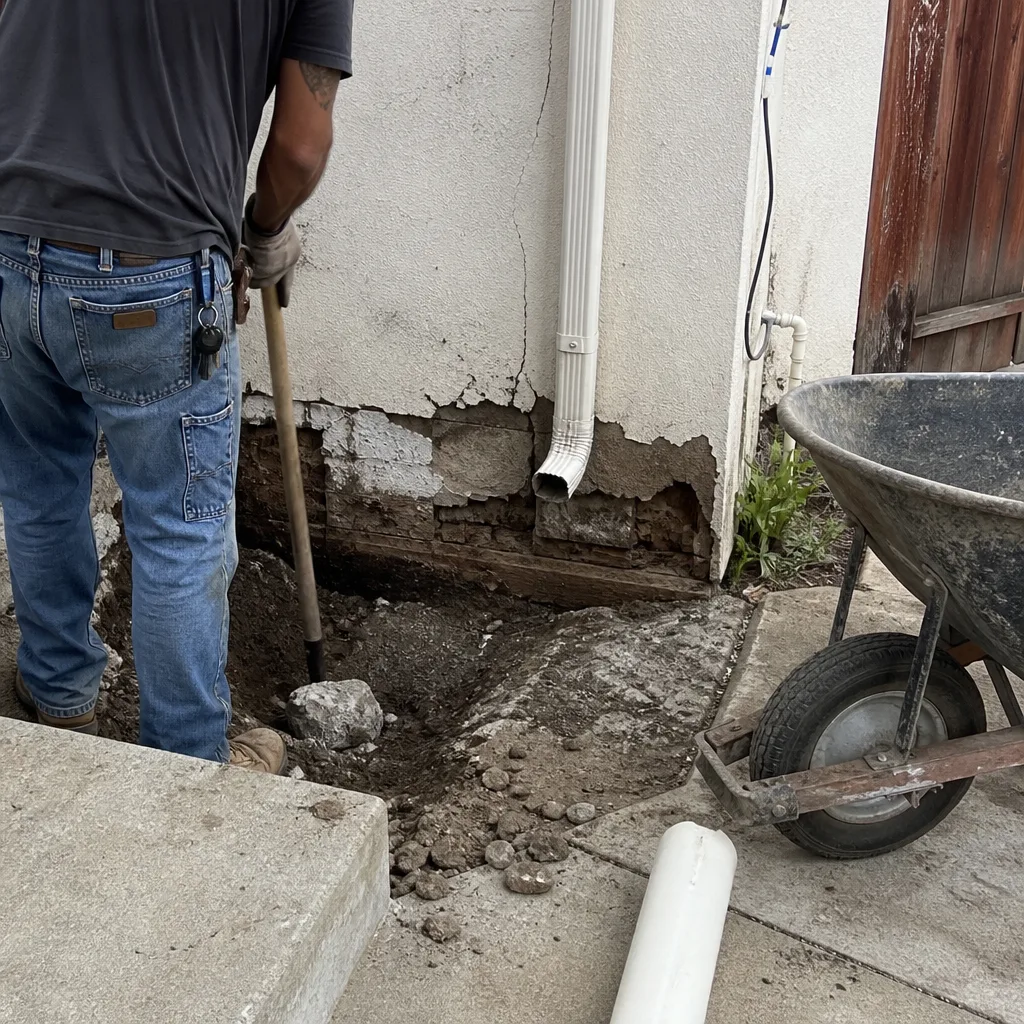 Before
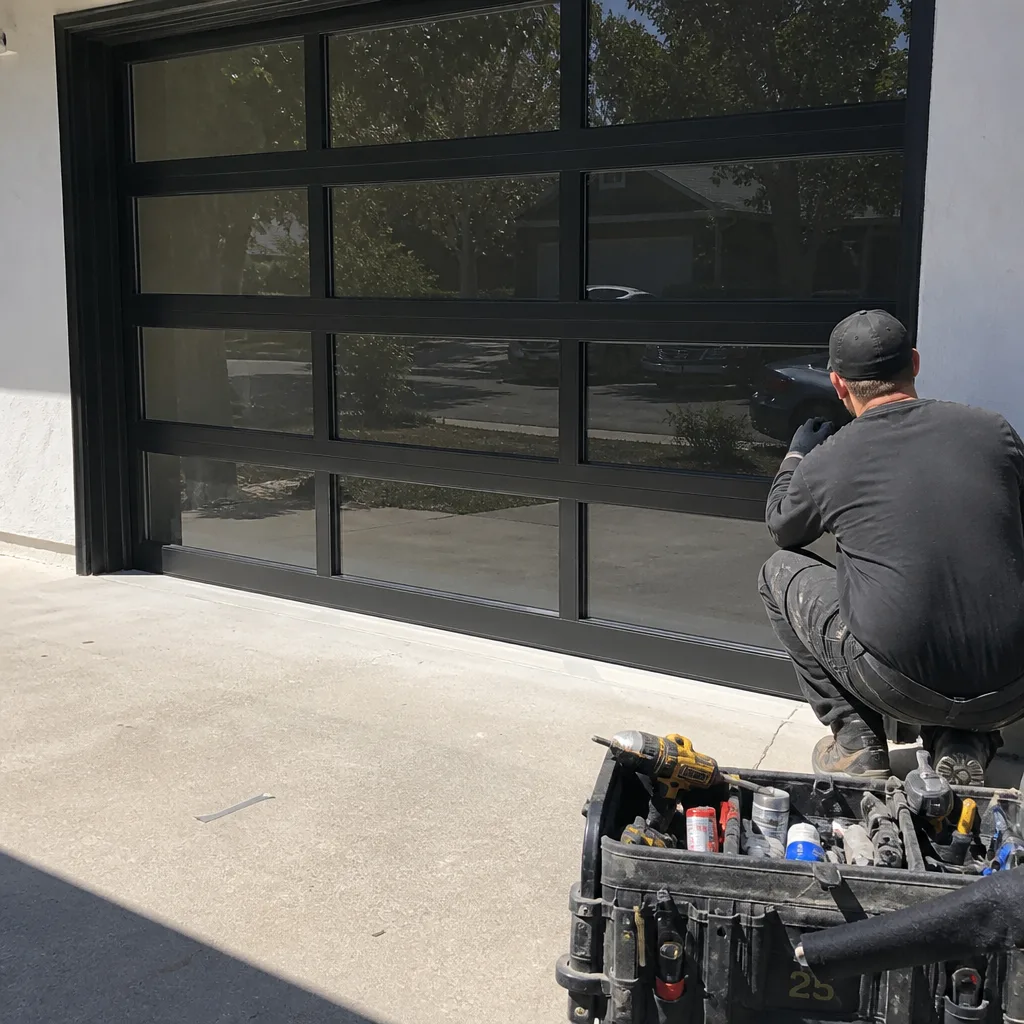 After
 Before
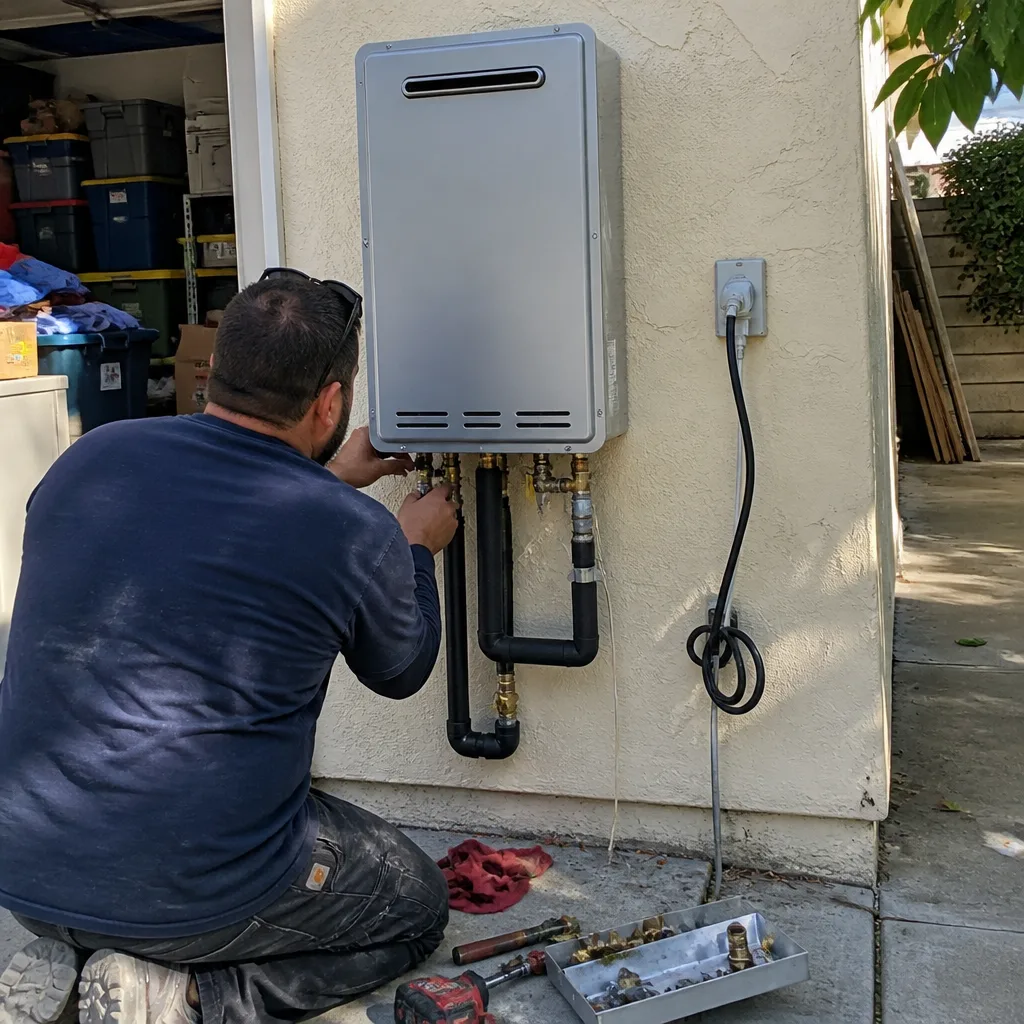 After
 Before
 After
Silestone Service Pricing in Stanford
Countertop and surface work in Stanford follows the same market ranges we quote across the region. What moves the number is slab size, edge profile, whether we’re repairing versus replacing, and whether the substrate underneath needs work. Free estimates include a site look, substrate check, and a written line-item quote, so you’ll know exactly what you’re paying for before anything gets cut.
| Silestone Service | Price Range |
|---|---|
| Countertop Installation | $2,000 – $6,500 |
| Backsplash Installation | $800 – $2,500 |
| Kitchen Island Installation | $3,000 – $10,000 |
| Bathroom Vanity Installation | $800 – $3,000 |
Call (877) 752-4194 for an exact quote. We’ll walk you through what’s driving the number and whether repair makes more sense than replacement.
Serving Stanford, CA — Our Local Coverage Area
We’re based in the Stanford area and know this community well. Use the map below to see our service coverage — if you’re nearby, we can almost certainly help.
FAQs – Silestone Construction in Stanford
It can, yes, if the work touches a wall, window, or backsplash near historic Stanford sandstone. Stanford’s own building department, not Santa Clara County, governs campus-area permits, and they’re stricter about exterior and facade-adjacent changes. We scope the project early to determine whether you’re looking at a simple surface swap or a design-review path. Call (877) 752-4194 and we’ll help you figure out which bucket you’re in.
In most Stanford homes from the 1950s through the 1970s, the framing and cabinetry have shifted over decades. If the original installers didn’t shim and level the base properly, the slab flexes, and the seam adhesive eventually lets go. The fix starts under the stone, not on top of it, which is why we always check the substrate before we rework a seam.
If the chip is localized and the slab is otherwise stable, repair is usually the honest call. We fill, color-match, and polish the damaged area. If the slab is delaminating, the substrate has failed, or the crack runs through a cutout corner, replacement makes more sense than pouring money into a surface that’ll fail again.
South-facing kitchens in Stanford with original single-pane windows get intense UV exposure, and lighter Silestone whites like Lyra and Blanco Zeus can develop haze or yellowing over time. If you want a white, the Eternal Series holds up better. If you want no worry at all, Charcoal Soapstone and the darker matte-leather finishes hide sun exposure completely.
Yes, with one caveat: the vanity base in older Stanford bathrooms is often original 1960s cabinetry that’s seen moisture. We re-shim, level, and sometimes rebuild the base before setting the Silestone. That prevents the vanity from sagging and opening a seam down the road. Call (877) 752-4194 for a free estimate and we’ll check what’s under your current vanity.
Service Areas Near Stanford
Beyond Stanford, we regularly work in Stanford service area communities including Marin City, San Juan Bautista, Castroville, and Prunedale. We also serve Silestone service in Los Gatos and Silestone service in Ladera, bringing the same substrate-first approach to every job.
Book Your Silestone Service in Stanford Today
(877) 752-4194 gets you a straight answer. Tell us about your Silestone surface, and Ken will let you know whether it’s a repair, a replacement, or something in between. Free estimates, line-item quotes, no change orders mid-job.
Written by Ken Stafford, Owner at Milpitas Construction, serving Stanford and the wider Bay Area.