
Last updated October 31, 2026
 Home additions & ADU
 Kitchen remodeling
 Bathroom remodeling
 Roofing
 Windows & doors
 Driveway & pavers
 Fence
Free written scope consultation - allowances, timeline, and change-order rules on paper before a single trade is scheduled
General Contractor Maintenance Checklist for Milpitas Homeowners
The number-one callback a Milpitas general contractor gets in October isn’t roofing. It’s stucco cracks that opened up over a dry summer and let the first fall rain find its way into framing. That’s a $400 caulk job that waited too long and became a $6,000 remediation. Most maintenance checklists floating around online are written for Midwest or East Coast homes, where freeze-thaw cycles and basement moisture dominate the conversation. Milpitas has a different set of problems: intense UV exposure that breaks down exterior coatings faster than most climates, minimal freeze-thaw that lulls homeowners into skipping seasonal checks, and occasional seismic movement that turns hairline stucco cracks into water intrusion pathways. This guide is built backwards from what general contractors in Milpitas actually repair most, so you catch problems before you’re calling anyone for emergency work or searching for General Contractor Troubleshooting: Common Problems and How to Fix Them.
Styles & brands we work with
Quick Answer
A Milpitas home maintenance checklist should follow the region’s dry-summer, wet-winter pattern: inspect stucco and exterior caulking every September before rain arrives, service HVAC in March before the first heat wave, check irrigation and drainage in April and again in October, and walk the roofline, flashing, and gutters twice a year. The most expensive repairs we see in Milpitas are almost always deferred maintenance items: stucco cracks, blocked drainage, and flashing failures that sat unaddressed through a full dry season.
Table of Contents
- January & February: Interior Systems and Seismic Checks
- March & April: HVAC, Roof, and Pre-Summer Exterior Prep
- May & June: Stucco, Coatings, and UV Damage Control
- July & August: Drainage, Grading, and Flat-Lot Flood Prevention
- September & October: The Critical Pre-Rain Window
- November & December: Post-Rain Assessment and Winter Watch
- Building a Maintenance Log That Protects Resale Value
- Common Mistakes to Avoid
- When to Call a Professional
- Frequently Asked Questions
- The Bottom Line
January & February: Interior Systems and Seismic Checks
Milpitas winters are mild compared to most of the country, but January and February bring the bulk of our rainfall, and that rain tests every seal and joint your home has. This is the season to work from the inside out, checking what you can’t easily reach during dry months.
Start with a full walkthrough of interior walls, ceilings, and window frames. We’re looking for water stains, bubbling paint, or soft drywall, all of which indicate a leak that has already breached the exterior envelope. In Milpitas homes built between the 1960s and 1980s, pay special attention to window corners and the top plates of exterior walls. These older builds often used less robust flashing details than modern code requires, and decades of UV exposure have degraded whatever sealant was originally applied.
January is also the right time for a seismic hardware check. Milpitas sits near the Calaveras Fault, and while most homes here have bolted foundations, the hardware ages. Here’s what a general contractor checks that most homeowners miss:
- Foundation anchor bolts: Look for rust, looseness, or evidence the bolts have shifted in the concrete. In crawlspace homes, check the mudsill-to-foundation connection.
- Cripple wall bracing: If your home has a cripple wall between the foundation and first floor, the plywood shear panels should be intact, with no gaps or rot.
- Water heater strapping: California code requires two straps, one in the upper third and one in the lower third. Straps loosen over time and need re-tensioning.
- Gas line connections: Flexible gas connectors should have no kinks, corrosion, or signs of stress at the fittings.
Interior humidity management is another January task. Milpitas homes without whole-house ventilation can trap moisture during rainy weeks, leading to mildew in closets and bathroom ceilings. Run bathroom exhaust fans for at least 20 minutes after showers, and check that dryer vents are discharging properly to the exterior, not into an attic or crawlspace. A clogged dryer vent is a fire hazard and one of the most common findings on home inspections here.
We’ve worked on more home renovation projects in Milpitas than we can count where the root cause was a winter leak that went unnoticed for two or three seasons. January is your cheapest window for catching those.
March & April: HVAC, Roof, and Pre-Summer Exterior Prep
By March, the rain has tapered off and the first warm days remind everyone that summer in Milpitas is dry and hot. This is the season to service mechanical systems before the heat arrives and to do your first exterior assessment of the year.
HVAC service is non-negotiable in March. The Santa Clara Valley heat doesn’t care whether your system is ready, and an underperforming air conditioner in August costs more to fix than the same repair in March. Here’s the March checklist we recommend:
- Replace HVAC filters: In Milpitas, where spring pollen and dust from the East Bay hills are constant, filters clog faster than manufacturers’ 90-day recommendations. Check monthly during high pollen months.
- Clear the condenser unit: Remove debris, leaves, and vegetation within 18 inches of the outdoor unit. Restricted airflow drives up energy costs and shortens compressor life.
- Test the system early: Run the AC for 30 minutes on a warm March day. Weird smells, uneven cooling, or unusual noises are cheaper to diagnose now than in July.
- Check ductwork connections: In older Milpitas homes, duct joints come loose over time. Loose ducts leak conditioned air into the attic, wasting energy and reducing cooling performance.
April is the month for a detailed roof walk, and we don’t mean walking on the roof. A visual inspection from a ladder or the ground covers more than you think. Look for:
- Lifted, cracked, or missing shingles, especially on south-facing slopes that take the brunt of summer sun
- Granule loss in gutters, which signals shingle aging or hail damage from the rare but real spring storms
- Sagging ridge lines or valleys that suggest water damage beneath the surface
- Flashing around chimneys, skylights, and vent pipes that has pulled away or corroded
We spec GAF and CertainTeed roofing products on most of our general contractor projects in Milpitas because they hold up to the region’s UV load better than budget alternatives. But even the best materials fail if flashing is installed or maintained poorly. Flashing is the number-one source of roof leaks we repair, not shingles.
This is also the time to inspect irrigation systems before summer watering ramps up. Check sprinkler heads for blockages, broken nozzles, or sprays that hit the house directly. Water spraying onto stucco for months at a time is a common cause of premature coating failure and mold on shaded walls. Adjust spray patterns so water stays on landscaping, not on the structure.
May & June: Stucco, Coatings, and UV Damage Control
Milpitas gets an average of 260 sunny days a year, and the UV intensity here is brutal on exterior surfaces. Stucco is the dominant exterior finish in Milpitas, and it expands and contracts through daily temperature swings that most climates never experience. By May, the dry season is underway, and the ground is beginning to shift as soil moisture drops. This is when stucco cracks appear.
Here’s what we look for in May and June, and what a homeowner should look for too:
- Vertical cracks at window and door corners: These are classic thermal movement cracks. In Milpitas, they tend to open in summer and close slightly in winter, but they never fully seal. Any crack wider than 1/16 inch is a water entry point.
- Horizontal cracks along the foundation line: These can signal differential settling, which happens more in the low-lying areas near Alviso and the older neighborhoods off Calaveras Road where soils are expansive.
- Stair-step cracking at wall intersections: This pattern often accompanies seismic movement. Small is normal; growing over one season is not.
- Blistering or peeling paint on stucco: This means moisture is trapped behind the coating. In Milpitas, this usually comes from sprinkler overspray or failed caulking, not interior leaks.
The fix for most stucco cracks is straightforward: rout out the crack, backer rod if needed, and a high-quality elastomeric caulk. This is a $100 to $400 job for a professional, depending on linear footage. Wait until the crack widens enough for water to penetrate, and you’re looking at stucco repair plus possible framing or drywall remediation. Every single year, we see Milpitas homeowners who skipped this $400 repair and paid $6,000 to $12,000 for the remediation.
June is also when we recommend a full exterior coating assessment. Stucco, siding, and trim all have a service life, and in Milpitas’s UV environment, that life is shorter than manufacturers’ national averages suggest. If your stucco is chalky to the touch, if paint on trim is cracking and curling, or if south-facing walls look faded compared to north-facing ones, the coating has reached the end of its protective life. A good elastomeric coating buys another 10 to 15 years. Waiting for visible water damage buys a much bigger bill.
For homes with James Hardie siding products, the maintenance profile is different. These products resist UV better than most, but the joints between boards still need caulking and paint touch-up on a regular cycle. Even the best material fails at the seams if the seams aren’t maintained.
July & August: Drainage, Grading, and Flat-Lot Flood Prevention
Summer in Milpitas is dry, so drainage maintenance feels counterintuitive. But the dry months are the only time to fix drainage problems properly, because you can test and observe without fighting rain. And Milpitas has a drainage profile that most of Silicon Valley doesn’t share: significant portions of the city sit on flat, low-lying ground near Alviso and the bay, where water moves slowly and pools quickly during heavy winter storms.
Here’s the July and August drainage checklist that every Milpitas homeowner should work through:
- Check lot grading: The ground around your foundation should slope away at a rate of at least 6 inches over the first 10 feet. In older Milpitas neighborhoods, decades of landscaping and soil movement often flatten or reverse this slope. Regrading even a small area prevents water pooling at the foundation.
- Clean and test downspouts: Run a hose through every downspout and confirm water discharges at least 5 feet from the foundation. In many Milpitas homes, downspouts terminate right at the foundation line, which is a design flaw that shows up as a damp crawlspace every winter.
- Inspect French drains and area drains: If you have them, clear debris and test with a hose. These systems clog silently, and the first sign of failure is a flooded patio or crawlspace during a winter storm.
- Check crawlspace moisture barriers: In crawlspace homes, the vapor barrier should be intact, overlapped correctly, and running up the foundation walls slightly. A damaged barrier in Milpitas’s clay-heavy soils means persistent damp, mold, and wood rot.
- Review window wells and stairwell drains: These are common flooding points during winter storms, and July is the time to clear them and verify the drains actually flow.
This is also the season to inspect fencing and hardscaping, which many homeowners forget about entirely. Milpitas’s dry summers shrink the soil, and fence posts can loosen as the ground pulls away. A fence that’s slightly wobbly in August will be fully unstable by February when the soil re-saturates. Check gates for smooth operation, posts for rot at ground level, and concrete surfaces for new cracking. We use Techo-Bloc and Belgard hardscape products on many Milpitas projects because they hold up to the region’s soil movement, but even the best hardscape needs a stable base.
If your property sits in one of the lower elevations off Calaveras Road or near the bay side, pay extra attention this season. The window to fix drainage before winter rains is narrow, and the flat-lot flooding risk in these areas is real. A general contractor who knows Milpitas will check grade and drainage on every walkthrough, because we’ve seen what a bad winter does to a flat lot with poor drainage.
September & October: The Critical Pre-Rain Window
September and October are the most consequential months on the Milpitas maintenance calendar. This is the window when every exterior vulnerability gets exposed to the first rain of the season, and it’s also the window when every contractor in the region is booked solid with homeowners who waited too long. The work you do in September prevents the emergency call you’d otherwise make in November.
Here’s the September and October checklist, in priority order:
- Caulk and seal every exterior joint: Window perimeters, door frames, trim-to-stucco transitions, pipe penetrations, and expansion joints. In Milpitas’s dry-summer, wet-winter cycle, sealant degrades faster than most climates. Use a high-quality exterior caulk rated for stucco and masonry.
- Clean gutters and downspouts: Milpitas has a lot of mature trees, and October leaf drop clogs gutters quickly. Clogged gutters overflow onto fascia boards, which causes rot, and onto the ground at the foundation line, which causes drainage problems.
- Inspect roof flashing in detail: Valley flashing, chimney flashing, skylight flashing, and vent pipe flashing all need close inspection. In our experience, flashing failures cause more Milpitas roof leaks than shingle failures, especially on homes over 20 years old.
- Clear roof valleys and cricket areas: Debris accumulates in these low points over the summer, and October winds load them up. A clogged valley redirects water under shingles during the first heavy rain.
- Test sump pumps and crawlspace drains: If you have them, now is the time. Pour water into the sump pit and confirm the pump activates and discharges properly. Replace batteries on backup systems.
- Trim trees away from the roofline: Overhanging branches scrape shingles during winter winds and drop debris into gutters. In Milpitas, where wind events are more common than most of the Bay Area, this is especially important.
We recommend doing the full pre-rain exterior walk in the first two weeks of September. If you find issues, you still have time to schedule repairs before the contractors book out for storm season. Wait until the first rain, and you’re competing with every other homeowner in the city who did the same thing.
For homes with recent remodeling work in Milpitas, this is also a good time to verify that all new exterior penetrations were properly sealed. Even quality remodelers can miss a penetration, and the first winter after a remodel is when those misses show up.
November & December: Post-Rain Assessment and Winter Watch
Once the rainy season starts, your job shifts from prevention to monitoring. November and December are about catching failures early, before a small leak becomes a major repair. The first heavy rain of the season is a diagnostic event, and smart Milpitas homeowners use it as one.
The day after the first substantial rain, do a full interior walkthrough. Here’s what to look for:
- Water stains on ceilings: Even faint discoloration indicates water getting where it shouldn’t. Mark the spot and monitor it through subsequent storms. If it grows, you have an active leak.
- Dampness in exterior wall cavities: Press your hand against walls near windows and doors after rain. Interior drywall that feels damp or cool in specific spots suggests water entry behind the surface.
- Window condensation between panes: Failed thermal seals show up as fogging between the glass panes, and winter is when you’ll notice it. This is a window replacement item, not a repair item.
- Musty odors in closets or crawlspaces: These indicate moisture that hasn’t fully dried, which means a slow leak or condensation problem rather than a dramatic one.
During heavy storms, check that water is flowing away from the foundation at every downspout. Watch for pooling anywhere, and photograph any areas that collect water. These photos become valuable reference points when you’re discussing drainage work with a contractor later.
This is also the season to monitor any stucco cracks you identified earlier in the year. Note whether they’ve widened, whether water appears to be entering, and whether the crack pattern has changed. If you see efflorescence, which is a white mineral deposit on the stucco surface, that’s water moving through the material and depositing minerals as it evaporates. It’s a clear sign the crack needs professional attention before spring.
For windows and doors, check for drafts and failed weatherstripping as temperatures drop. Milpitas doesn’t get cold enough for drafts to be a comfort emergency, but air leaks are energy waste year-round and water entry points during storms. We recommend Therma-Tru doors on many Milpitas exterior replacement projects because their sealing systems hold up to the region’s dry-wet cycling, but even good doors need weatherstripping maintenance over time.
Building a Maintenance Log That Protects Resale Value
Here’s something most homeowners don’t think about until it’s too late: your maintenance history is a financial asset. In California, sellers are required to disclose known defects and maintenance history during a home sale, and a well-kept maintenance log does two things. First, it protects you from liability claims if a buyer alleges you hid a known problem. Second, it demonstrates to buyers that the home has been cared for, which supports your asking price.
Your log doesn’t need to be elaborate. A simple notebook, spreadsheet, or notes app works fine. The key is consistency and specificity. Here’s what we recommend tracking:
- Date and description of every inspection: What you checked, what you found, and what you did about it.
- Contractor names and invoice numbers: If you had work done, keep the paperwork. In California disclosure, “repaired by a licensed contractor in 2023” is a much stronger statement than “we think it was fixed.”
- Product and material specs: Brand, model, and color for any replacements. When you sell, knowing the GAF shingle line or the Kohler fixture model helps buyers assess remaining service life.
- Permit numbers: For any permitted work, keep the permit number and final inspection sign-off. Unpermitted work is a major disclosure issue in California real estate transactions, and having the paperwork resolves it cleanly.
- Photos: Take photos of everything. Before and after shots of repairs, the condition of stucco at the start of each season, the state of the roof after each inspection. Photos are the most persuasive form of documentation.
One more thing worth noting about Milpitas specifically: the city has seen significant new construction and ADU activity in recent years, and buyers in this market are increasingly sophisticated about maintenance expectations. A documented maintenance history isn’t just nice to have; it’s becoming expected. Homes with logs sell faster and command better prices than comparable homes without them. We’ve seen it in Milpitas Construction home consultations, where buyers have walked away from homes with obvious deferred maintenance and no documentation, even when the price was right.
Common Mistakes to Avoid
- Following a national maintenance calendar: Milpitas’s maintenance needs are driven by the dry-summer, wet-winter cycle, not by Midwest seasons. A checklist that says “check gutters in spring” misses the point that October is the critical window here.
- Ignoring hairline stucco cracks: In Milpitas’s climate, small cracks become water intrusion points within one rainy season. A 1/16-inch crack is not a cosmetic issue; it’s a maintenance item.
- Delaying pre-rain work until November: By November, every contractor in Milpitas is booked with emergency work. The time to schedule September maintenance is in August.
- Assuming sprinkler overspray is harmless: Water hitting stucco repeatedly causes premature coating failure and moisture problems. It’s the most common preventable source of exterior damage we see in Milpitas neighborhoods.
- Checking the roof only from the ground: Flashings, valleys, and pipe penetrations are invisible from ground level. A ladder or drone inspection is necessary to catch the failures that actually cause leaks.
- Neglecting drainage on flat lots: Homeowners in the lower elevations near Alviso and off Calaveras Road need to be especially vigilant. Flat-lot flooding risk in Milpitas is real, and drainage fixes are far cheaper in summer than in winter.
- Waiting to document maintenance: If you’re not logging it, it didn’t happen as far as resale disclosure is concerned. Start the log now, even if you can only reconstruct the last few months from memory.
When to Call a Professional
Some maintenance items are true DIY territory: changing filters, cleaning gutters you can reach safely, checking for visible cracks. Others need a trained eye and sometimes a licensed contractor. Call a professional when you see water stains on interior ceilings or walls, when stucco cracks are wider than 1/16 inch or growing, when your crawlspace is damp or moldy, when roof flashing is loose or corroded, when drainage problems cause pooling near the foundation, or when you’re planning to sell and want a pre-listing assessment. Electrical work, gas line work, and anything involving high-tension roof or gutter work should always be handled by a licensed professional. Milpitas Construction offers our General Contractor services with free estimates in Milpitas, call (877) 752-4194.
Frequently Asked Questions
Most general contractors in Milpitas offer a maintenance inspection as part of a free estimate, especially if they’re being evaluated for future work. For guidance on selecting the right professional, see How to Hire a Construction Contractor in Milpitas: A Step-by-Step Guide. A comprehensive standalone inspection typically runs $200 to $500 depending on the scope and whether specialized equipment like drones or moisture meters is used. Call (877) 752-4194 to discuss what your property needs, and we’ll give you honest guidance on whether a full inspection is warranted.
Inspect stucco twice a year: once in May or June when dry-season cracks appear, and once in September or October before the rain arrives. Milpitas’s UV intensity and dry-wet cycling make stucco more crack-prone than in coastal or cooler climates, so semi-annual checks are the minimum. Any crack wider than 1/16 inch should be sealed by a professional before the rainy season.
Stucco cracks that allow water intrusion are the most common and most expensive maintenance problem in Milpitas. The combination of intense summer UV exposure, minimal freeze-thaw, and occasional seismic movement creates a crack pattern that many homeowners ignore until water damage appears. The fix is cheap when caught early and expensive when deferred.
Most routine maintenance work, including caulking, gutter cleaning, painting, and minor repairs, does not require a permit in Milpitas. Work that changes the structure, electrical system, plumbing system, or building envelope typically does. When in doubt, ask your contractor to confirm permit requirements before work begins. A reputable general contractor will tell you straight whether the work is permit-worthy.
Milpitas is hotter and drier in summer than San Jose or the Peninsula, and it sits in a more seismically active zone than most Bay Area communities. This means stucco cracks appear more often, exterior coatings fail faster, and drainage on flat lots is more critical. The maintenance calendar here is compressed: the pre-rain window in September and October is shorter, and the summer heat window arrives earlier than surrounding cities.
Yes, and more than most homeowners expect. California disclosure requirements are strict, and a documented maintenance history strengthens your position in any disclosure dispute. It also signals to buyers that the home has been properly maintained, which supports your asking price and speeds up the sale. In the Milpitas market, where competition is high, maintenance documentation is a differentiator.
The Bottom Line
Milpitas homes fail in predictable ways: stucco cracks from UV and seismic movement, drainage failures on flat lots, flashing gaps from years of dry-wet cycling, and coating breakdown from the region’s intense sun. A maintenance calendar built around these specific failure patterns, not a generic national checklist, catches problems while they’re still cheap to fix. The September and October pre-rain window is the most important maintenance period of the year in Milpitas, and the work done then determines whether your winter is uneventful or expensive. Document everything, check stucco twice a year, and treat drainage as a summer project, not a winter emergency. When you need professional help, a full-scope general contractor who knows Milpitas’s specific conditions is worth more than any online checklist. For more guides & resources on maintaining your Milpitas home, explore our blog.
Written by the team at Milpitas Construction, serving Milpitas since 2018.
See the difference
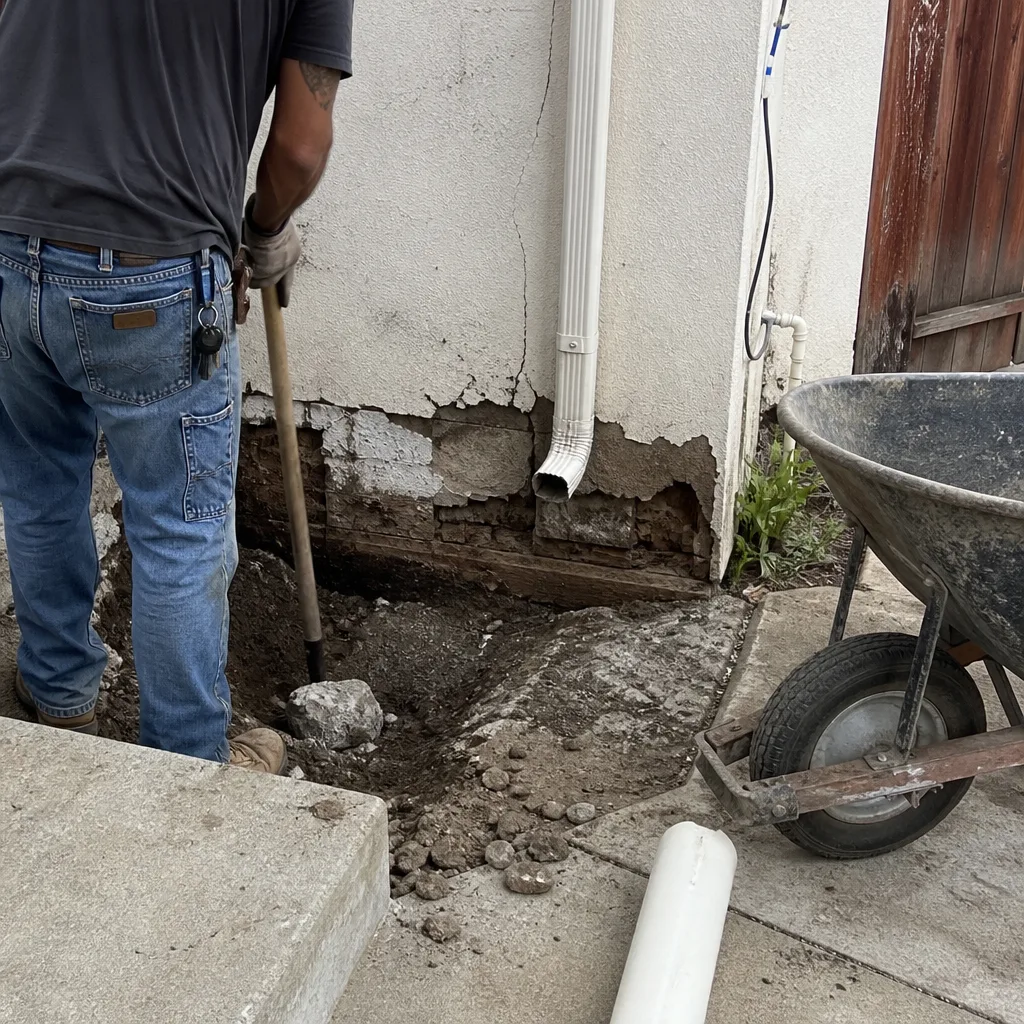 Before
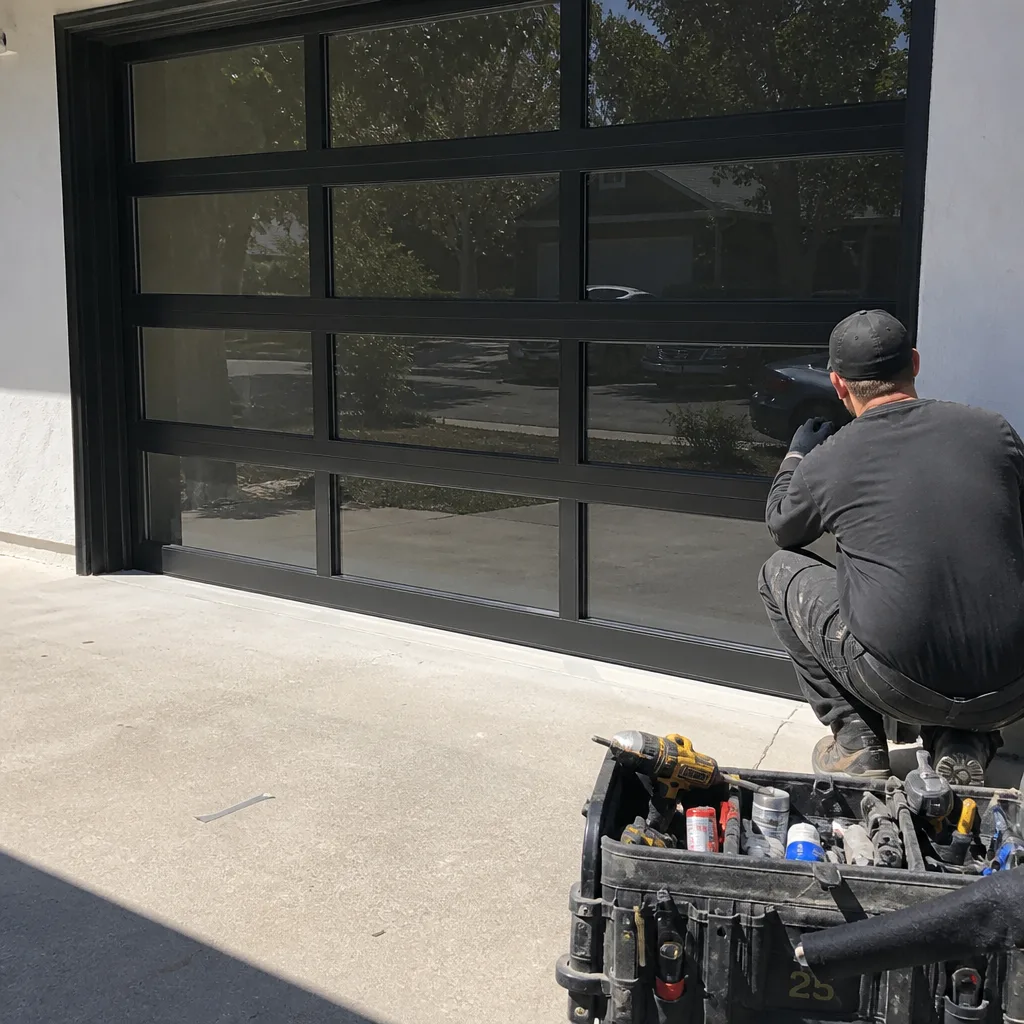 After
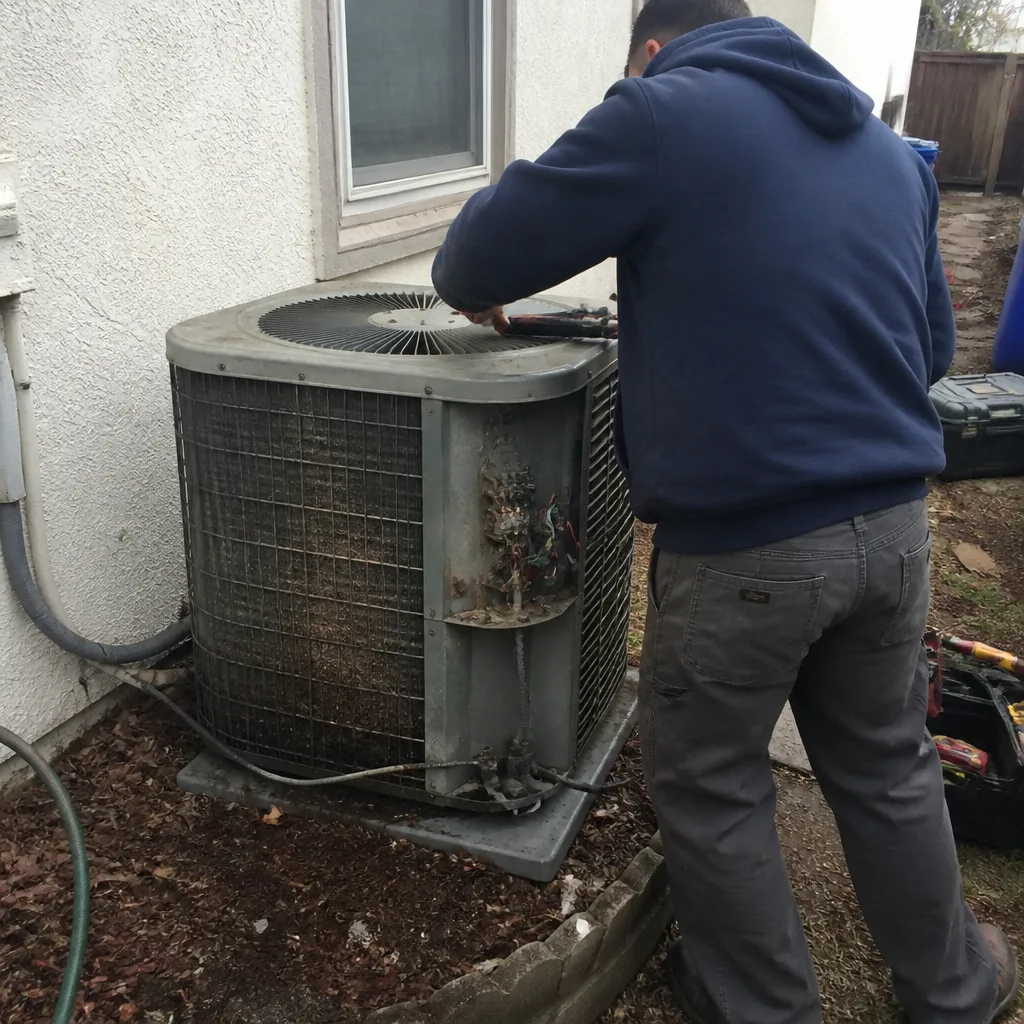 Before
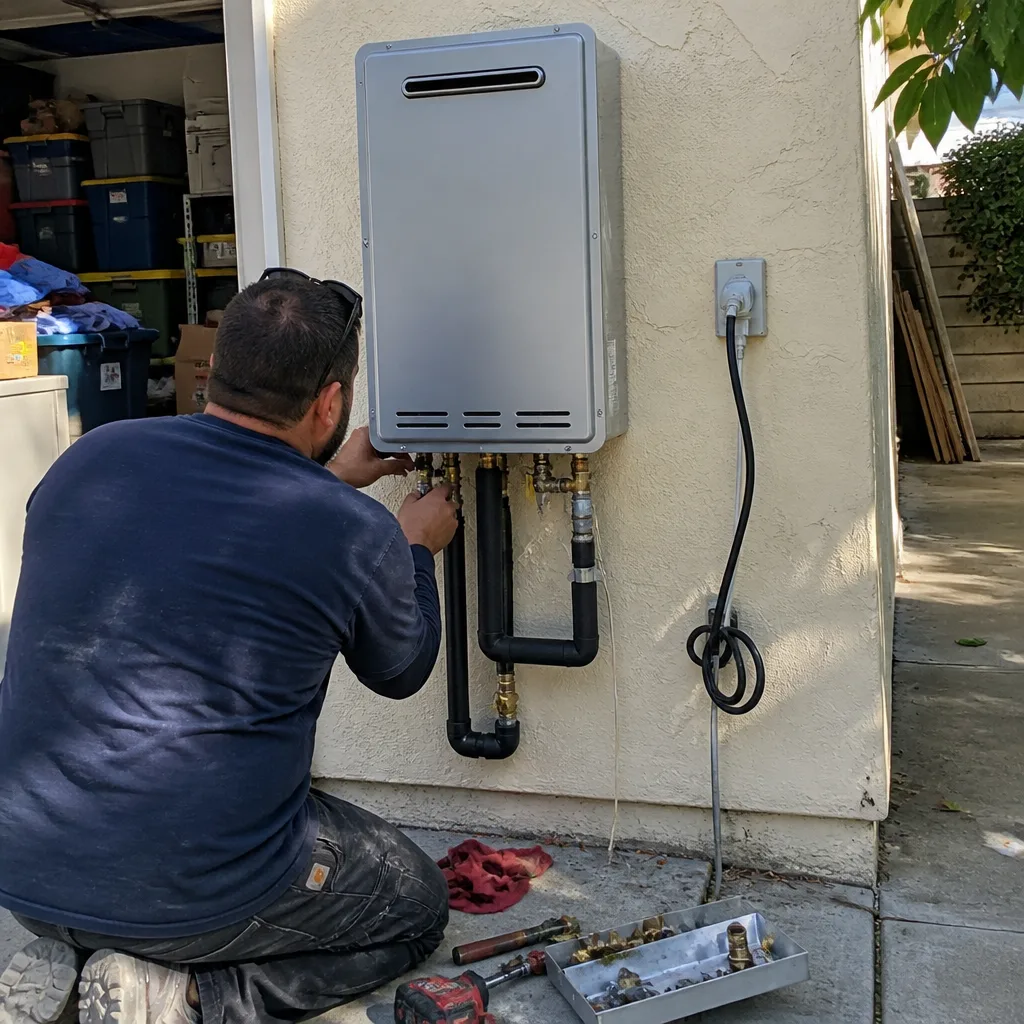 After
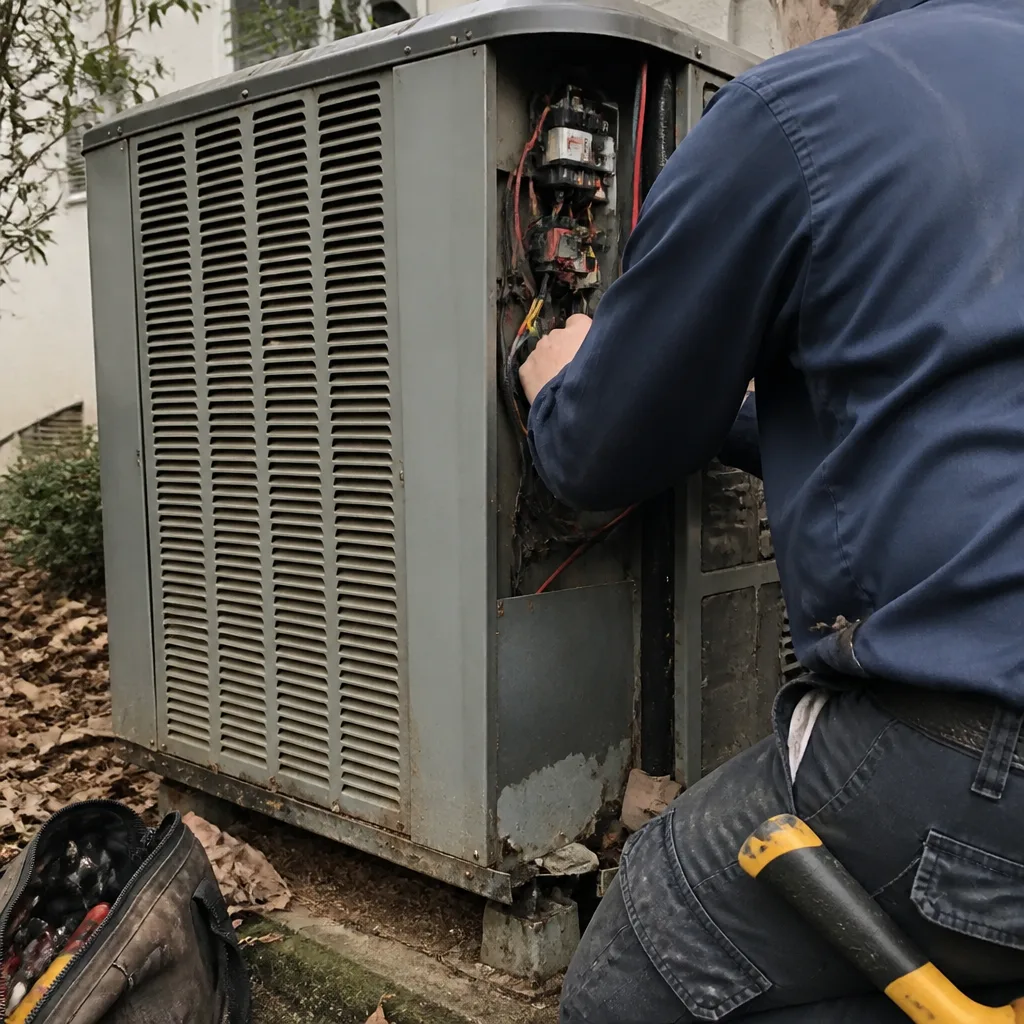 Before
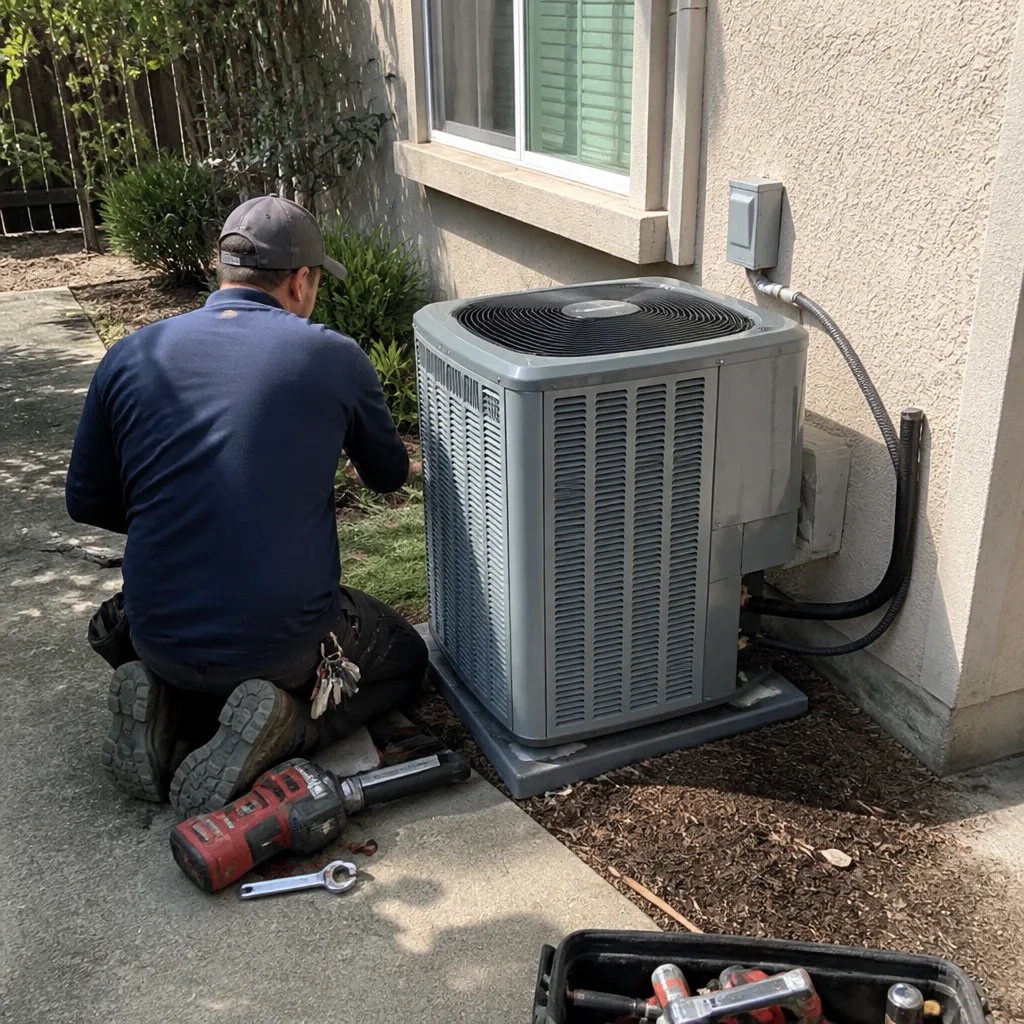 After