
Last updated October 31, 2026
 Home additions & ADU
 Kitchen remodeling
 Bathroom remodeling
 Roofing
 Windows & doors
 Driveway & pavers
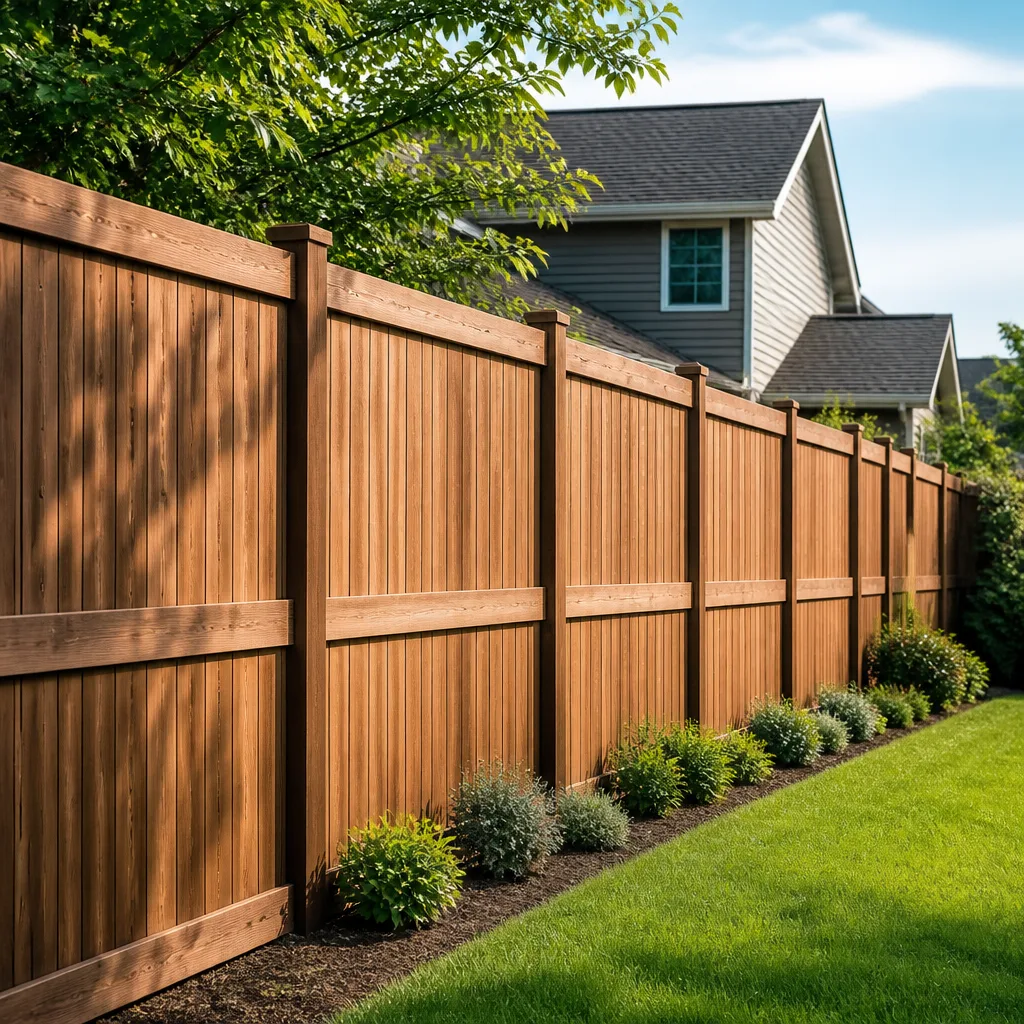 Fence
Free written scope consultation - allowances, timeline, and change-order rules on paper before a single trade is scheduled
Seasonal Construction Care for Milpitas: Year-Round Homeowner’s Guide
Milpitas averages fewer than 15 inches of rain per year, but most of it arrives in concentrated storms between November and March. That means your home’s exterior goes from bone-dry to saturated in days, and any unsealed penetration becomes a water intrusion point almost immediately. This guide walks through what to inspect, when to inspect it, and which materials and systems actually hold up under Milpitas conditions, building on The Complete Guide to Construction in Milpitas. We’ll cover dry-season protocols, pre-wet-season audits, Diablo wind checks, and how to sequence maintenance so you’re never waiting on a contractor during the spring and fall crunch.
Quick Answer
Seasonal home maintenance in Milpitas is about managing two distinct seasons: a long dry period (roughly April through October) that desiccates sealants, cracks stucco, and fades exterior finishes, and a concentrated wet period (November through March) that exploits every gap the dry season opened. For a deeper look at selecting the right partner for this work, see Choosing the Right Construction Brand: A Buyer’s Guide for Milpitas. The most important maintenance window is October, when a full exterior audit should be completed before the first heavy storm. The second most important window is late spring, when dry-season damage from UV and heat exposure should be repaired before it compounds.
Styles & brands we work with
Table of Contents
- Understanding Milpitas’s Two-Season Climate Reality
- The Pre-Wet-Season Exterior Audit: October Is Non-Negotiable
- Dry-Season Protocols: UV, Heat, and Material Degradation
- Diablo Wind Events: Roofing and Fence Checks Most Guides Skip
- Summer HVAC and Attic Ventilation: Calibrating for Valley Heat and Marine Air
- Sequencing Maintenance Around Bay Area Contractor Availability
- Material Selection: What Actually Holds Up in Milpitas
- Hardscape Drainage and Paver Maintenance
Understanding Milpitas’s Two-Season Climate Reality
Milpitas sits in a transitional zone between the Santa Clara Valley’s inland heat and the San Francisco Bay’s marine influence. Summer temperatures regularly push into the 80s and 90s, with occasional triple-digit spikes during heat waves. Winter lows rarely dip below freezing, which sounds forgiving, but the real stress on your home comes from the swing between extremes rather than any single extreme. Stucco expands and contracts daily. Roofing membranes bake under 260+ days of sun. Wood framing dries to moisture contents far below what coastal homes experience.
Then the rains arrive, and everything reverses. Materials that spent eight months drying suddenly absorb water. Poorly sealed joints that seemed fine in September become active leaks in December. In our experience across general contractor work throughout Milpitas, the homes that fare worst are not the oldest ones. They’re the ones where maintenance was deferred during the dry season, because nothing looked wrong. Dry-season damage is largely invisible until water finds it.
This is why we frame seasonal care around transition windows rather than calendar seasons. The work that matters happens in October and April. What you do in those two months determines how well your home performs for the other ten.
The Pre-Wet-Season Exterior Audit: October Is Non-Negotiable
By early October, Milpitas has typically gone six or seven months without meaningful rain. Every sealant, every roof penetration, every stucco seam has been baking in heat and UV. That’s fine while it’s dry. It becomes a problem the moment water is introduced under pressure. Here’s the audit we recommend completing before Halloween, regardless of whether you see visible damage:
- Stucco inspection: Walk the full perimeter. Look for hairline cracks at window corners, door frames, and where walls meet eaves. Cracks wider than 1/16 of an inch should be sealed. In Milpitas, stucco cracks form most commonly on south-facing and west-facing walls, where afternoon heat is most intense.
- Roof penetration check: Every pipe boot, vent, skylight flashing, and chimney flashing is a water entry point. Pipe boots made of rubber dry-rot in Milpitas sun faster than manufacturer timelines indicate. Press on them; if they feel brittle or show surface cracking, replace them before the first storm.
- Gutter and downspout clearance: Milpitas gets fewer leaves than heavily treed areas, but even minor debris accumulation slows water flow. With concentrated storms, slow drainage means overflow at the fascia line, which leads to soffit damage and water running down exterior walls. Clean gutters, then run a hose through downspouts to confirm clear flow.
- Hardscape drainage verification: Check that soil, mulch, or settled pavers haven’t created a slope back toward the foundation. The 2017 and 2023 storm seasons taught us that even properly installed hardscape can shift enough over a dry summer to redirect water. Look for pooling near the foundation after any rain longer than 30 minutes.
- Window and door seal inspection: Caulk and weatherstripping degrade faster in Milpitas than in cooler Bay Area cities. Check the bottom seals on exterior doors and the perimeter caulk on windows. If you can see daylight through a door sweep, water can get through it too.
Completing this audit in early October gives you time to order materials and book labor before the rainy season rush. Waiting until November means competing with every other homeowner who just discovered a leak.
Dry-Season Protocols: UV, Heat, and Material Degradation
Milpitas’s dry season is not a maintenance holiday. It’s when preventive work happens, and when certain materials need more attention than manufacturer documentation suggests. Manufacturer testing often assumes temperate conditions, not 90-degree days for weeks on end with near-zero humidity.
Wood decking: Milpitas UV levels will gray and check wood decking faster than coastal climates. A deck that would go two years between refinishing in San Francisco may need attention every 12 to 18 months in Milpitas. We recommend checking for splintering and surface checking in June. If boards show visible grain raising or any splintering, schedule refinishing before the wet season. Sealing dry, cracked wood in October is better than dealing with water-damaged, swollen boards in January.
Composite decking: Composite materials handle UV better than wood, but they’re not immune. Milpitas heat causes expansion that can loosen fasteners over multiple seasons. Walk your composite deck in August and listen for movement. Loose boards should be refastened before fall. Also check for fading; higher-quality composite lines hold color longer, but sun-facing sections will always fade faster.
Exterior paint: South-facing and west-facing walls in Milpitas can show paint failure two to three years earlier than east-facing or north-facing walls on the same house. If you’re choosing paint, select a line rated for high-UV exposure. If you’re maintaining existing paint, expect to touch up sun-facing walls more frequently. Peeling or chalking paint is not just cosmetic; it’s the first line of defense for your siding and stucco. Bare wood or exposed stucco absorbs water in winter.
Fencing: Wood fences in Milpitas face a double threat: UV degradation in summer and soil moisture in winter. Posts rot at ground level even in a dry climate, because winter storms concentrate enough water to saturate the soil. Check fence posts in September. Push on them. Any post that moves more than a quarter inch should be replaced before the wet season. A fence that survives one more summer may not survive one more winter.
Diablo Wind Events: Roofing and Fence Checks Most Guides Skip
Diablo winds are offshore, north-northeast wind events that blow hot, dry air from the interior toward the coast. Milpitas sits in a corridor where these winds can be particularly strong, funneling through the hills between the East Bay and the valley. These winds behave differently from standard storm winds. They’re dry, they’re gusty rather than steady, and they often arrive when no rain is expected. That means damage can go unnoticed for weeks.
Roofing after Diablo events: Standard wind ratings for roofing materials assume sustained wind from a consistent direction. Diablo gusts come in bursts, which stresses fasteners differently. After a significant wind event, we recommend a visual check from the ground: look for lifted shingle edges, shifted ridge caps, and any debris that might have scraped the roof surface. If you’re comfortable on a ladder, check flashing around chimneys and vents. In our experience, the most common Diablo-related damage in Milpitas is not blown-off shingles but loosened flashing and shifted ridge vents, which then leak during the first winter storm.
Fencing after Diablo events: Standard fence wind load calculations assume perpendicular force. Diablo winds hitting parallel to a fence line create a different failure mode: post rocking. A fence that looked plumb in September may be leaning five degrees after an October wind event. Check fence posts after any wind event over 30 mph. If posts are rocking at ground level, the concrete footing has likely cracked. Tightening hardware won’t fix a cracked footing. The post needs to be re-set.
A note on materials: If you’re replacing fencing or roofing after wind damage, consider upgrading rather than matching. Impact-rated roofing products from manufacturers like GAF and CertainTeed offer better wind performance than builder-grade options. For fencing, steel post systems or concrete-reinforced posts hold up better against repeated wind events than standard wood posts set in dry-pack concrete.
Summer HVAC and Attic Ventilation: Calibrating for Valley Heat and Marine Air
Milpitas’s summer temperature profile is unusual. Morning marine layer influence keeps things cool until 10 or 11 a.m., then valley heat builds rapidly through the afternoon. Your attic experiences this swing more dramatically than your living space. Attic temperatures can exceed 140 degrees on a 95-degree day, which stresses your HVAC system, accelerates shingle aging from below, and drives cooling costs upward.
Attic ventilation check: Verify that soffit vents are not blocked by insulation. In many Milpitas homes built in the 1960s and 1970s, blown-in insulation has settled over soffit vents over the decades. This reduces intake airflow and makes ridge vents and gable vents less effective. The check is simple: in daylight, go into the attic and look for light at the soffit line. If you can’t see daylight, insulation is blocking the vent.
HVAC performance check: Run your system in June, before peak heat. Set the thermostat five degrees below ambient and confirm the system reaches temperature within 30 to 45 minutes. If it doesn’t, check the condenser coil for dust and debris. Milpitas’s dry season creates dusty conditions, and condenser coils clog faster than in coastal areas. A dirty coil can reduce efficiency by 10 to 20 percent.
Duct inspection: Ductwork in unconditioned attics loses efficiency through leaks and poor insulation. In Milpitas, the temperature differential between cooled air and attic air can exceed 60 degrees on hot days, which makes even small leaks costly. Check visible duct joints for gaps or separated tape. If you can feel cool air escaping near a joint, that’s a leak worth sealing before July.
Sequencing Maintenance Around Bay Area Contractor Availability
Bay Area contractor schedules compress hard in two windows: spring (April through June) and fall (September through November). Spring is driven by homeowners who waited through winter to start projects. Fall is driven by everyone who discovered problems during the first rains and wants them fixed before the next storm. If you plan maintenance around these windows, you’ll pay more and wait longer.
Here’s the sequencing we recommend for Milpitas homeowners:
- January-February: Interior work. Contractors have lighter schedules after the holiday season. Books kitchens, bathrooms, and interior remodels for this window if possible. You’ll get better pricing and faster turnaround.
- March-April: Post-wet-season inspection. Walk your property after the last major storm and catalog every issue found. This is when you identify leaks, drainage problems, and fence damage before the spring rush.
- May-July: Exterior repairs. Roofing, siding, painting, and fence work are easiest to schedule in early summer, before fall’s pre-storm panic. Milpitas’s dry, predictable summer weather means fewer weather-related delays.
- August-September: Hardscape and drainage work. Pavers, concrete, and drainage corrections need dry soil and predictable weather. This is the right window for grading fixes and paver re-leveling.
- October: Audit and touch-ups. Complete the pre-wet-season audit described above. Address anything that can be fixed quickly.
- November-December: Emergencies only. If you need work done in this window, you’re competing with storm damage calls. Avoid unless necessary.
Working with a home remodeling contractor in Milpitas who manages exterior and interior work under one contract means you can sequence tasks across the year without juggling four different trade schedules. One contractor can handle your fence in July, your gutters in September, and your kitchen in January, with continuity across the whole scope.
Material Selection: What Actually Holds Up in Milpitas
Milpitas’s dual-season stress pattern means material selection matters more than in mild, stable climates. The wrong material fails predictably. The right material, properly installed, handles both extremes without drama. Based on what we’ve observed across residential projects in Milpitas, here’s what performs:
Siding: James Hardie fiber cement siding holds up better than wood or vinyl in Milpitas. It resists UV fading, doesn’t warp with temperature swings, and handles the wet-dry cycle without cracking. Vinyl siding, by contrast, expands and contracts significantly with Milpitas’s daily temperature swings, which can loosen fasteners over time.
Windows and doors: Impact-rated and high-performance window lines matter even though Milpitas doesn’t sit in a hurricane zone. PGT and Therma-Tru products are engineered for thermal performance and air infiltration resistance, which matters when your walls bake in afternoon sun and your HVAC runs hard. Builder-grade windows leak air, and in Milpitas’s dry season, the dust that enters through poor seals is noticeable.
Countertops in exterior-adjacent spaces: If you have an outdoor kitchen or an indoor kitchen with large south-facing windows, UV exposure matters for countertop materials. Cambria quartz resists UV fading better than many competitors, which matters if your counters receive direct afternoon sun.
Roofing: Cool-roof shingles and reflective underlayment reduce attic temperatures meaningfully in Milpitas summers. If you’re re-roofing, consider a GAF or CertainTeed cool-roof product. The energy savings during valley heat waves are measurable, and the reduced attic temperature extends the life of everything stored up there.
We spec materials by name, so you know exactly what’s going into your home. A home renovation in Milpitas should not involve guessing at material quality or hoping a subcontractor picks something decent.
Hardscape Drainage and Paver Maintenance
Milpitas’s dry season causes soil shrinkage, which affects hardscape in ways that coastal cities rarely experience. Clay-heavy soils in parts of Milpitas can shrink significantly during extended dry periods, creating voids under pavers and slabs. Then the wet season arrives, soil expands, and what looked stable in September starts heaving in December.
Paver inspection: Walk your paver surfaces in September. Look for edges that have dropped, individual pavers that rock underfoot, or areas where the sand jointing has washed out. Milpitas’s concentrated storms can erode joint sand quickly if drainage isn’t directed properly. Re-sanding before the wet season is inexpensive insurance against more expensive re-leveling later.
Drainage verification: Check that surface drains are clear and that downspouts direct water at least three feet from the foundation. In Milpitas’s flat residential areas, water wants to pool. A properly graded hardscape should slope away from the house at roughly one quarter inch per foot. If your hardscape has settled below that grade, water will find its way toward the foundation during heavy storms.
Concrete crack sealing: Hairline cracks in concrete are normal, but in Milpitas, they widen during dry-season soil shrinkage and then channel water during the wet season. Cracks wider than an eighth of an inch should be sealed before November. Water that enters cracks and then sits during wet, cool periods accelerates concrete deterioration.
For paver and hardscape replacements, manufacturer matters. Belgard, Unilock, and Techo-Bloc pavers are engineered for consistent dimensional stability, which matters when your ground shrinks and expands seasonally. Builder-grade big-box pavers often lack the same quality control on dimensions, which shows up as uneven joints after a few Milpitas summer-to-winter cycles.
Common Mistakes to Avoid
- Sealing stucco cracks with the wrong product: Acrylic latex caulk works for small cracks, but larger cracks need elastomeric sealant. Using the wrong product means redoing the work within a season.
- Waiting for visible leaks to address roof penetrations: By the time water shows up on your ceiling, the damage has been happening for weeks. Pipe boots and flashing should be inspected before the wet season, not after the first storm.
- Ignoring gutter issues during the dry season: Gutters that sag, pull away from the fascia, or have open seams in August will fail in January. Dry season is the time to repair them, when ladders are stable and the work doesn’t compete with storm damage calls.
- Assuming composite decking is maintenance-free: Composite resists rot, but Milpitas UV and heat still cause fading and fastener loosening. Composite decks need seasonal checks, just less intensive ones than wood decks.
- Deferring fence post replacement to spring: A leaning fence in October becomes a downed fence in a January storm. Post replacement is faster and cheaper in dry soil than in saturated ground.
- Painting latex over oil-based paint without proper prep: In Milpitas’s heat, adhesion failures show up quickly. If your home has original oil-based paint and you’re repainting, surface prep determines whether the new paint lasts three years or ten.
- Treating all contractors as interchangeable: A roofing specialist doesn’t understand drainage. A paver installer doesn’t understand how roof runoff affects your hardscape. A Milpitas Construction home services approach means one team evaluates how systems interact rather than patching isolated symptoms.
See the difference
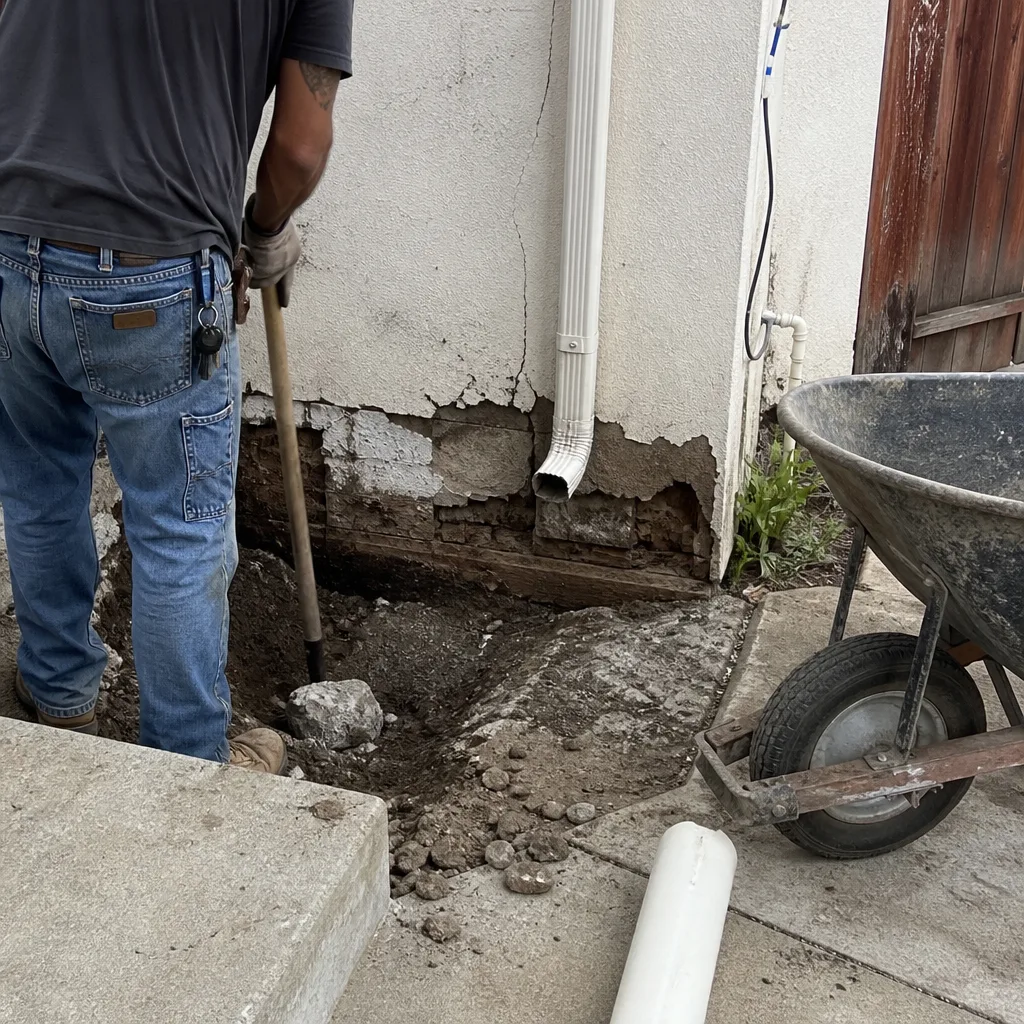 Before
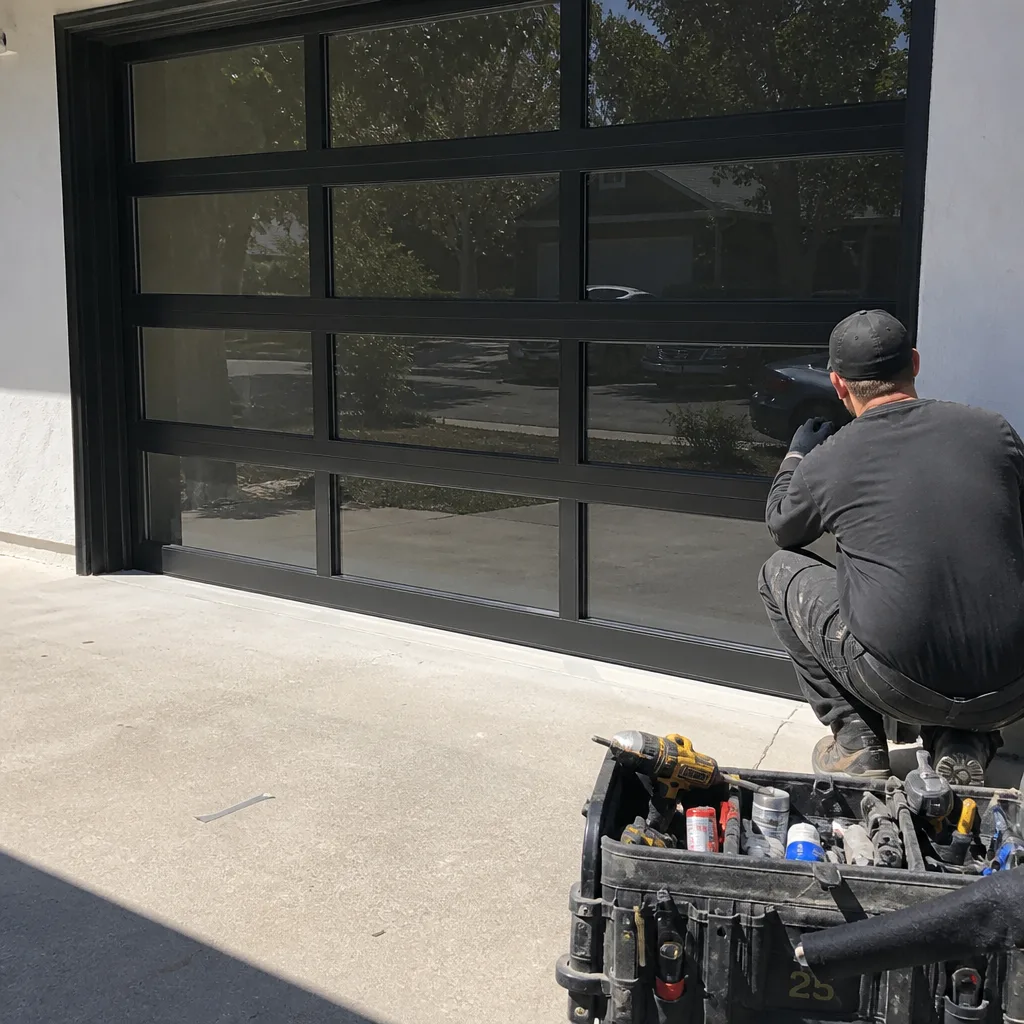 After
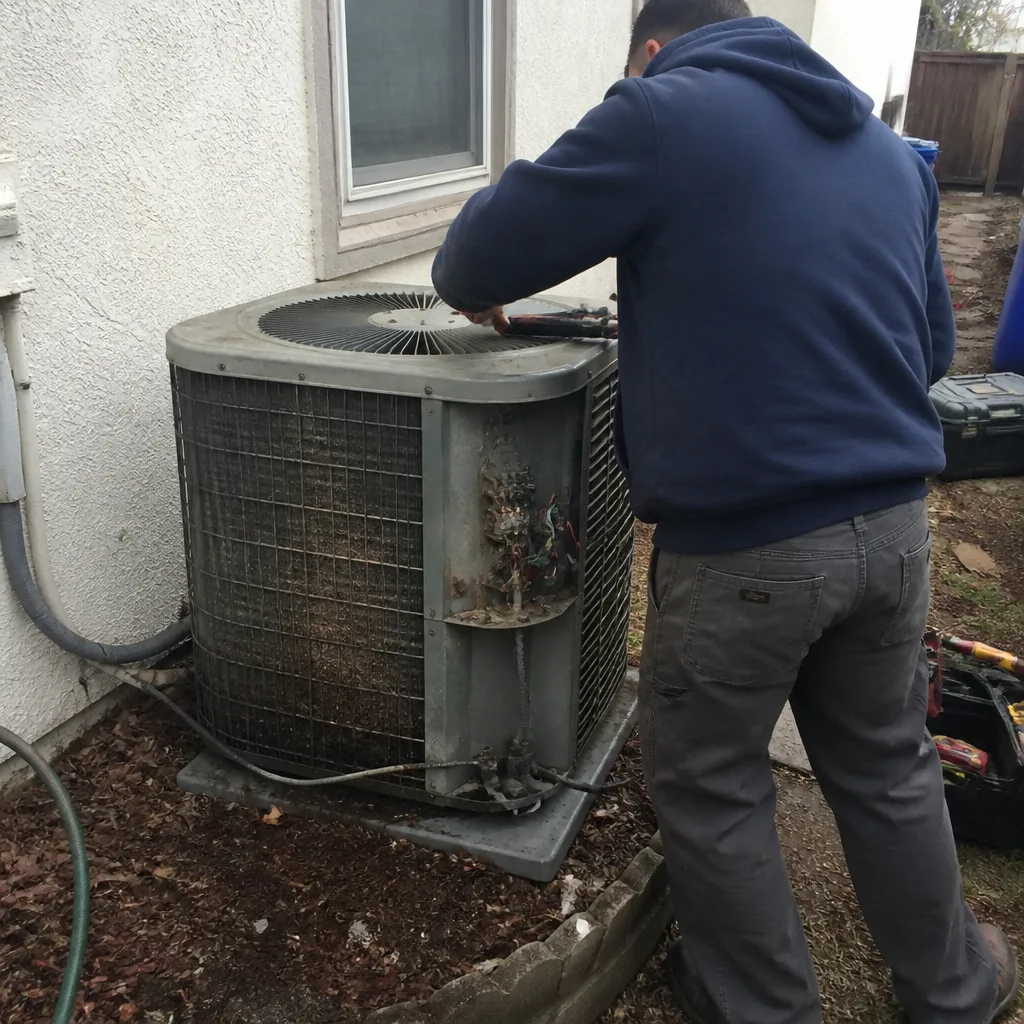 Before
 After
 Before
 After
When to Call a Professional
Some maintenance tasks are genuinely DIY-friendly: cleaning gutters, checking door sweeps, clearing downspouts. Others require professional assessment because the failure modes are not obvious to a homeowner, and the consequences of getting it wrong are expensive. Call a professional if you see any of the following: stucco cracks wider than a quarter inch or any crack that runs diagonally from a window corner, water stains on ceilings or walls after rain, any roof penetration that shows visible rust or deteriorated sealant, fence posts that move more than a quarter inch when pushed, paver areas that have visibly settled or created reverse slope toward the foundation, or attic temperatures that feel extreme on a mild day, indicating ventilation failure. Milpitas Construction offers free estimates in Milpitas – call (877) 752-4194 to schedule a seasonal inspection or discuss any of the items in this guide.
Frequently Asked Questions
Most Milpitas homeowners spend between $500 and $2,500 per year on seasonal maintenance, depending on the age of the home, the condition of existing systems, and whether any repairs are needed. A basic exterior audit, gutter cleaning, and minor sealant work typically runs $500 to $1,000. If the audit uncovers roofing, stucco, or fence repairs, total costs can rise quickly. Call (877) 752-4194 for an exact quote based on your specific home and property condition – estimates are free.
The best time to schedule exterior work in Milpitas is May through September, when the dry season provides predictable weather and contractor availability is better than the fall rush. October is still workable for quick fixes, but November through February should be reserved for emergencies only. Scheduling exterior work in early summer means your home is ready for winter before the storms arrive.
Yes. Any work that requires a permit under Milpitas building codes, including roofing replacements, structural fence work, and certain hardscape projects, should be permitted and inspected. Working with a contractor who handles permits means you don’t have to navigate the city’s permit process yourself. Call (877) 752-4194 to discuss whether your specific project requires a permit.
A focused exterior repair like sealing stucco cracks, replacing a few fence posts, or clearing and repairing gutters typically takes one to two days. Larger scopes, including full re-roofing, siding replacement, or major hardscape correction, take one to three weeks depending on weather and material availability. We provide written schedules before work begins so you know exactly what to expect.
In our experience, the most common exterior problem in Milpitas is failed sealant around roof penetrations and window frames. The dry season’s UV exposure and heat cycles break down caulk and rubber seals faster than homeowners expect, and water finds these gaps during the first concentrated storms. Regular pre-wet-season sealant inspection prevents most of the water damage we see.
Yes. We’re a full-scope general contractor, which means the same team that handles your roofing, fencing, and hardscape can also manage your kitchen or bathroom remodel. Single-contract accountability means no finger-pointing between subcontractors and no coordination gaps. Call (877) 752-4194 to discuss any combination of exterior and interior work.
The Bottom Line
Milpitas doesn’t reward homeowners who wait for visible problems. The dry season hides damage, and the wet season reveals it all at once. The homes that perform best year-round are the ones where maintenance happens on a schedule: exterior audit in October, drainage verification in September, fence and deck checks in late summer, and interior projects in winter. If you take one action from this guide, make it this: walk your property in early October and look for every gap, crack, and loose seal before the storms find them first. Then explore our more guides & resources for year-round home care. From the roofline to the kitchen counter – one contractor, one conversation. Call (877) 752-4194 to schedule your free seasonal estimate.
Written by the team at Milpitas Construction, serving Milpitas since 2018.