Last updated October 31, 2026
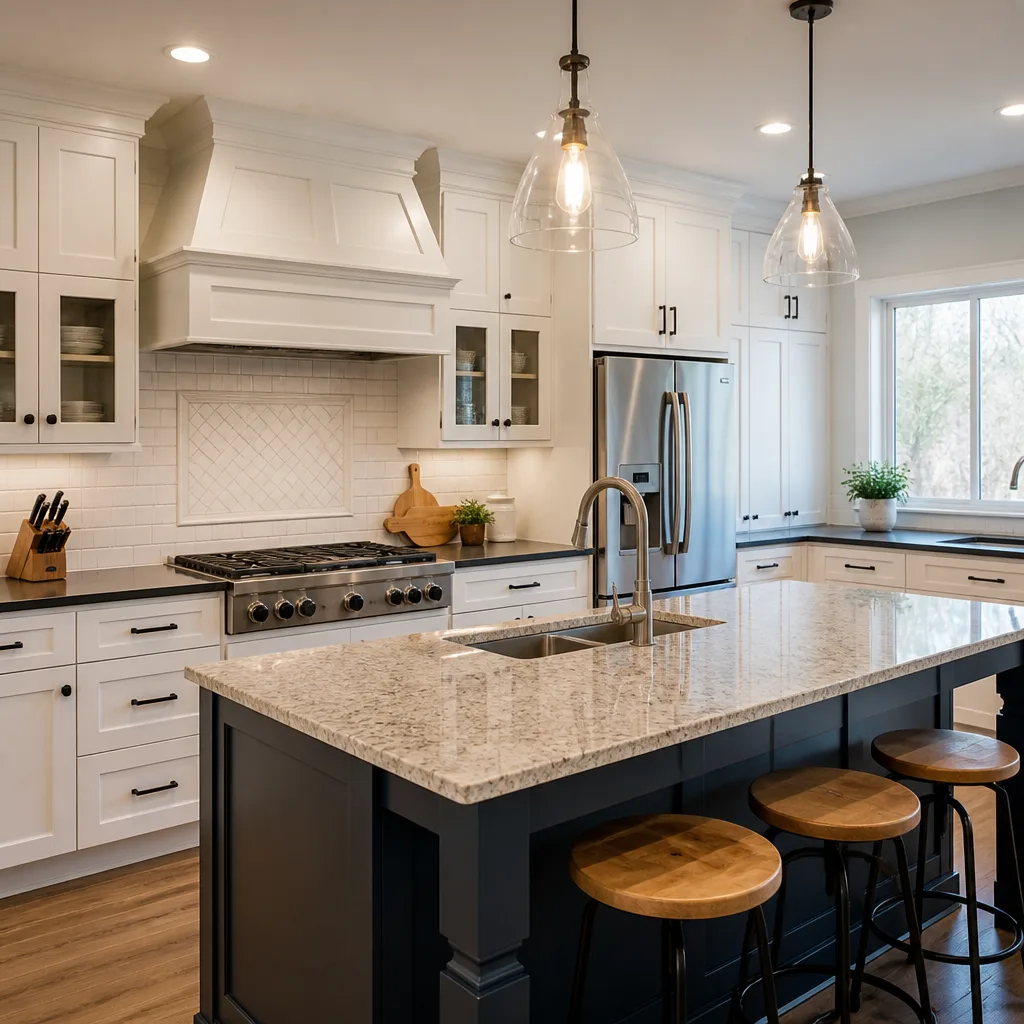 Kitchen remodeling
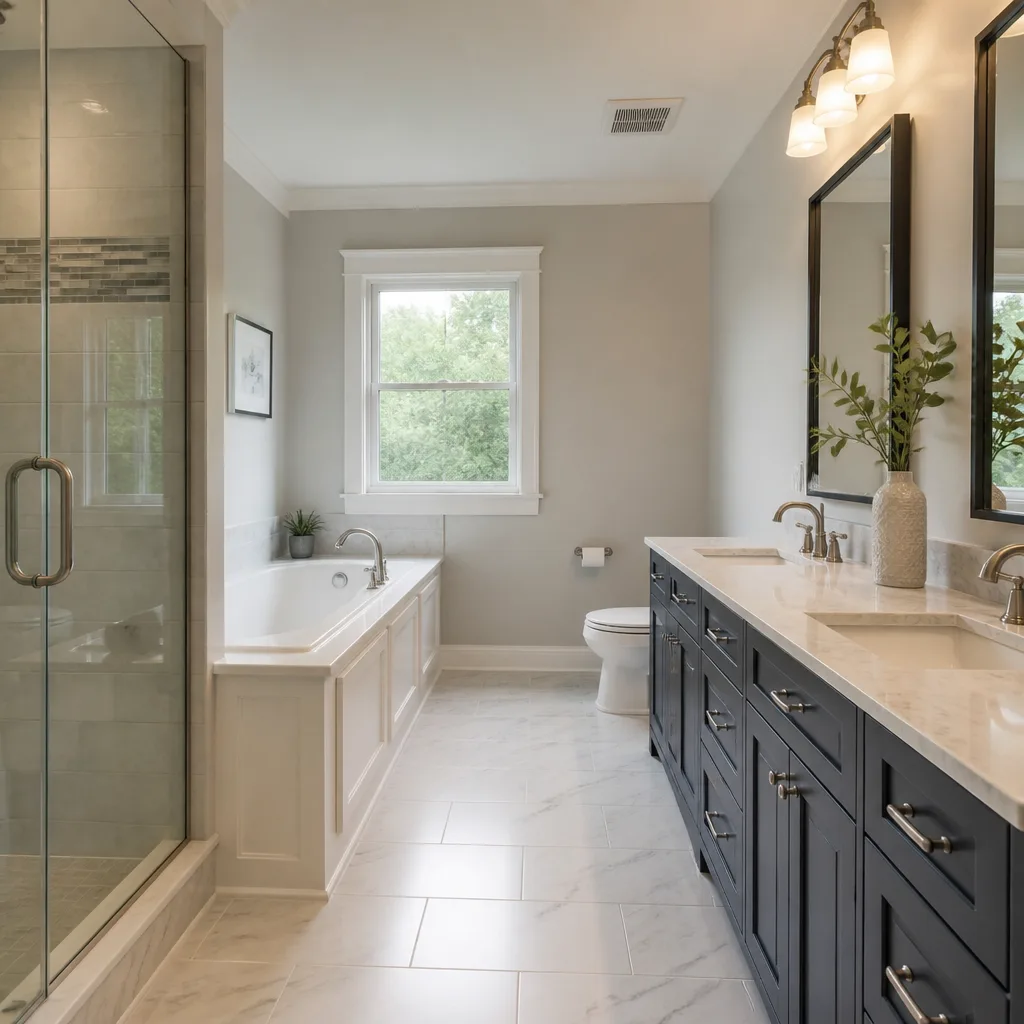 Bathroom remodeling
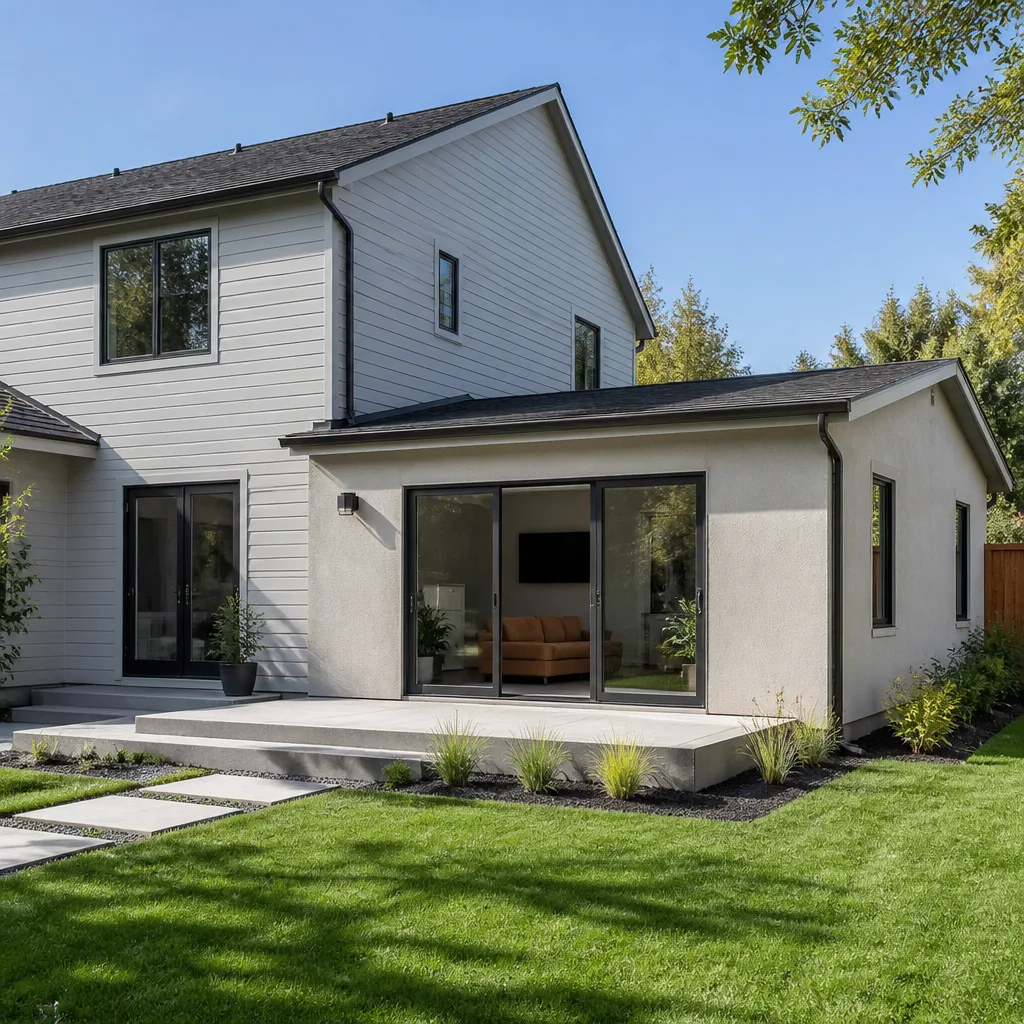 Home additions & ADU
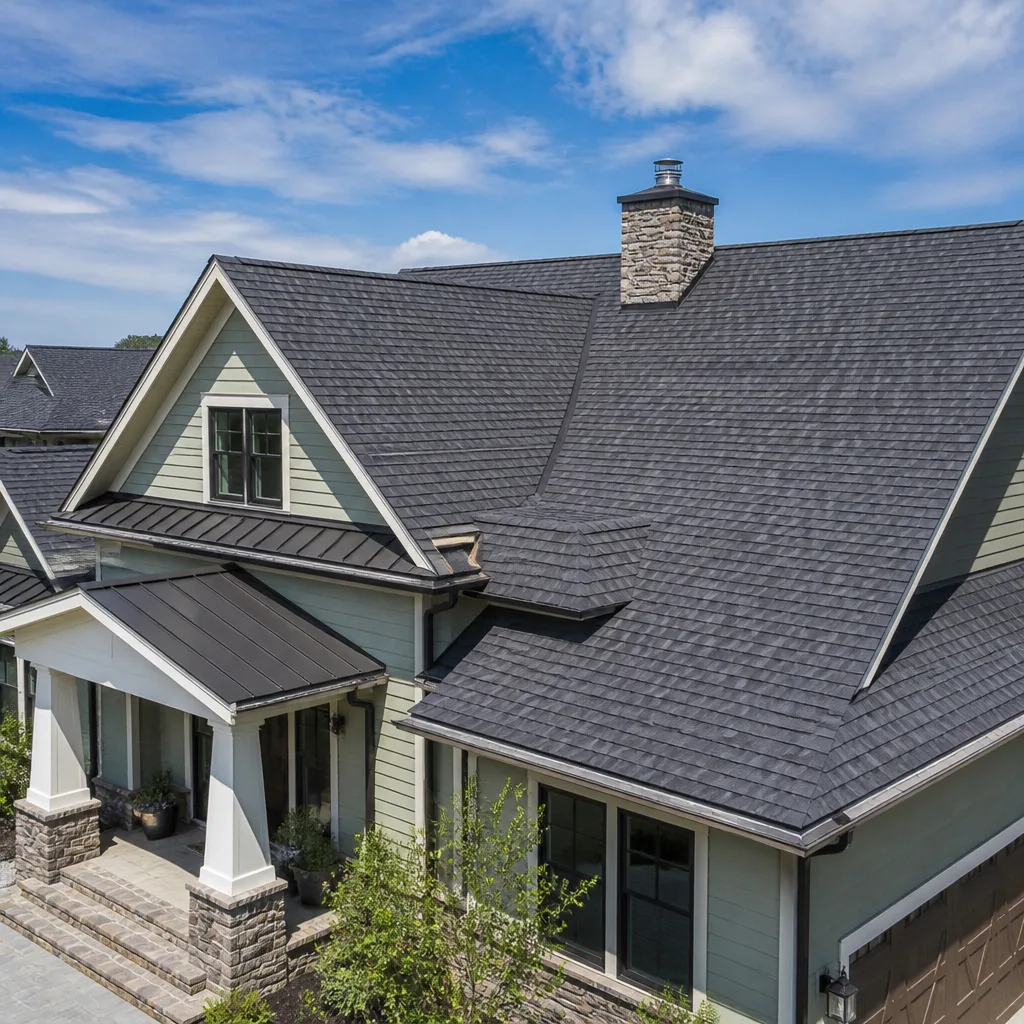 Roofing
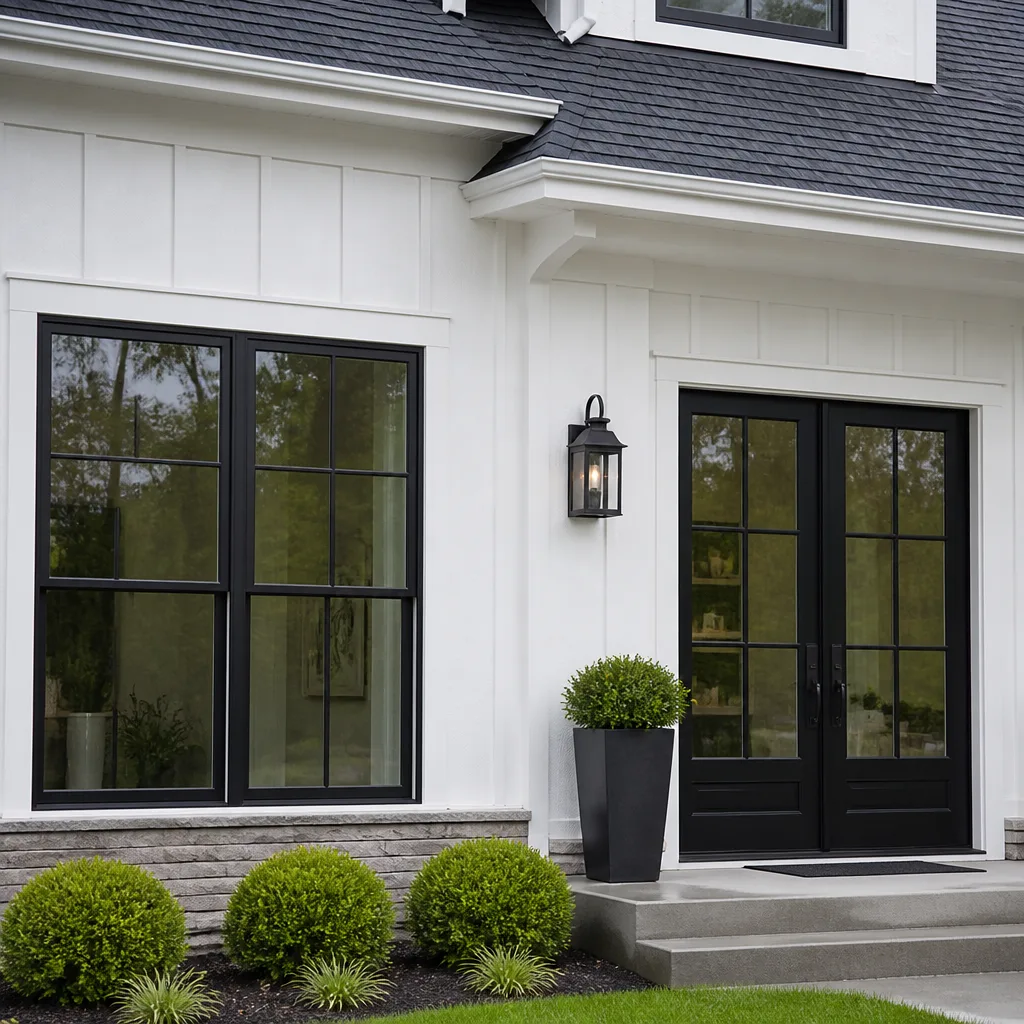 Windows & doors
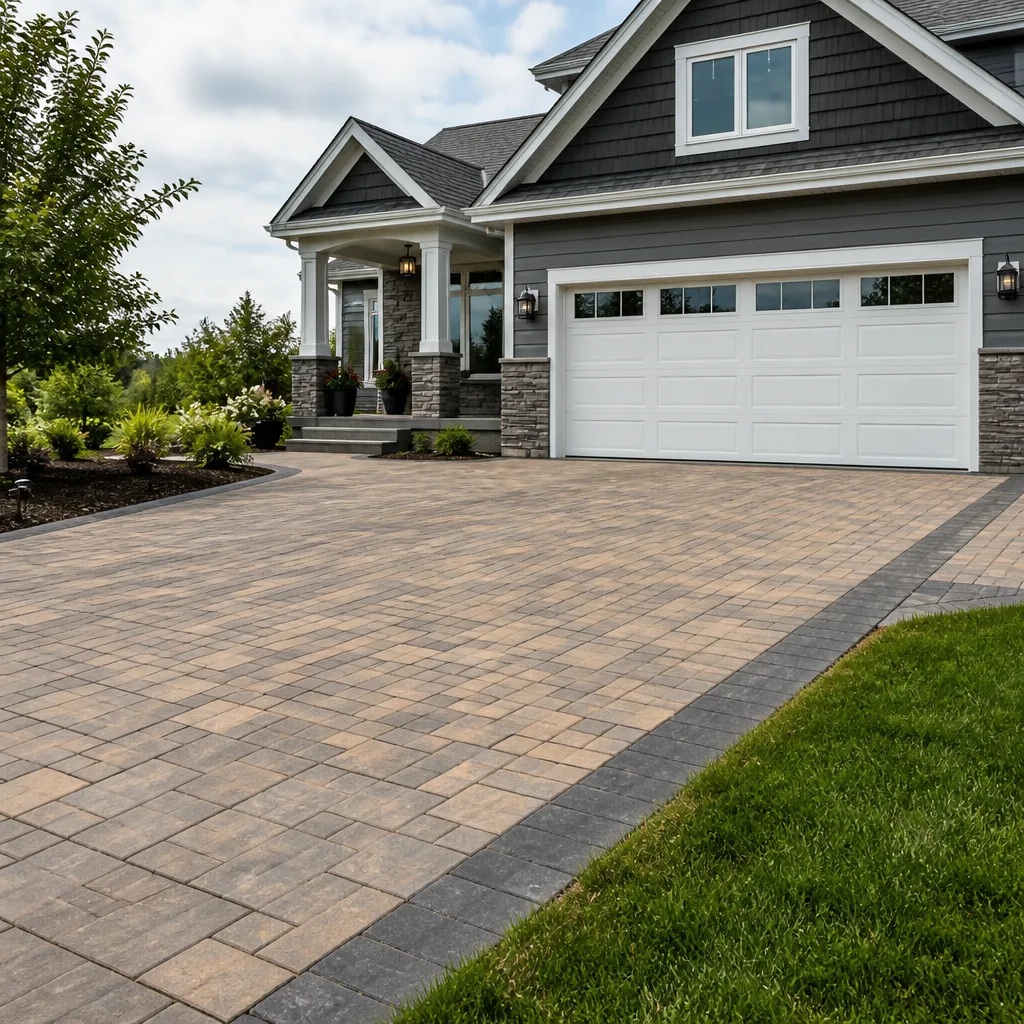 Driveway & pavers
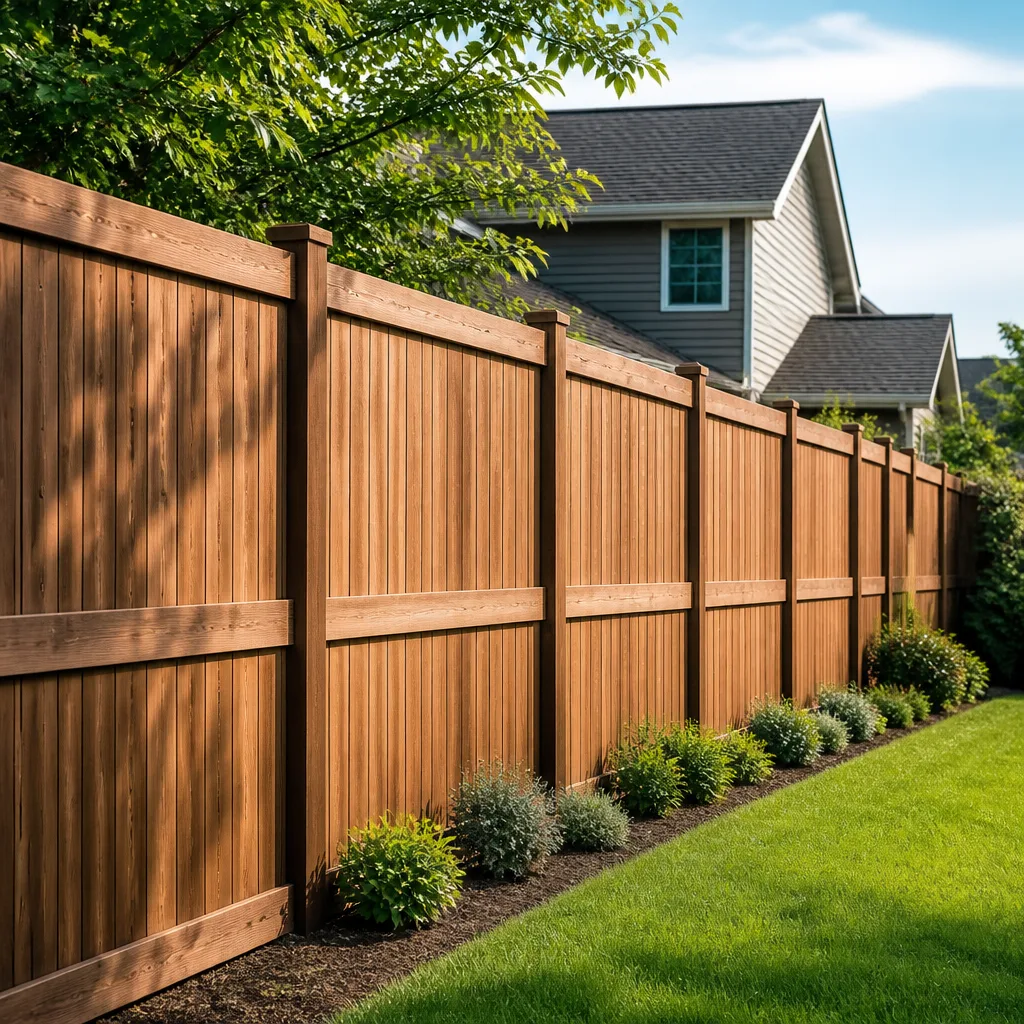 Fence
Free written scope consultation - allowances, timeline, and change-order rules on paper before a single trade is scheduled
Choosing the Right Construction Brand: A Buyer’s Guide for Milpitas
A roofing material that’s warranted for 50 years means nothing if the manufacturer’s nearest certified installer network is 60 miles away and the product line gets discontinued in a regional consolidation, both of which happen more than consumers realize in the building products industry. Brand selection in construction is not about marketing prestige. It is about warranty enforcement, parts availability, and whether a product line has an established contractor network in the Bay Area that will actually honor claims five years from now. This guide teaches Milpitas homeowners to evaluate brands the way contractors do: on accountability and longevity, not aesthetics.
Styles & brands we work with
Quick Answer
The best construction brands for Milpitas homes are those with dense certified-installer networks in the Bay Area, stocked distribution channels within 30 miles, and warranty claim histories that hold up under California climate conditions. Homeowners get the most reliable outcome by pairing proven product lines like GAF roofing, James Hardie siding, and Kohler plumbing with a full-scope general contractor who can source all of them under one contract, eliminating substitution risk and warranty gaps between trades. For Milpitas specifically, brand choices should account for sun exposure, seismic code requirements, and the region’s hard water, which affects fixture and piping longevity, as covered in our Complete Guide to Construction in Milpitas.
Table of Contents
- Warranty Enforcement: The Real Test of a Brand
- How to Evaluate a Brand’s Regional Presence in the Bay Area
- Manufacturer Warranty vs. Contractor Workmanship Warranty
- Where Brand Differentiation Matters, and Where It Does Not
- How a Curated Supplier Roster Protects Against Substitution Risk
- System Compatibility: Why Mismatched Brands Void Warranties
- Milpitas Climate and Code Considerations for Brand Selection
- Common Mistakes to Avoid
- When to Call a Professional
- Frequently Asked Questions
- The Bottom Line
Warranty Enforcement: The Real Test of a Brand
Most homeowners read warranty documents after the product fails. That is the wrong time. A construction brand’s warranty is only as valuable as the manufacturer’s willingness and logistical ability to honor it in your specific region. In Milpitas and the broader Bay Area, we see three patterns that determine whether a warranty claim actually results in a repaired or replaced product.
First, the warranty must have a clear path to enforcement. Some manufacturers require that a certified installer perform all repair work, which means the warranty is effectively void if that installer network thins out in your area. Second, the warranty must cover labor in addition to materials. A shingle warranty that replaces the shingle but not the $900 labor cost to install it is not the protection homeowners assume they have. Third, the product line must still exist. Building product manufacturers consolidate or discontinue lines regularly, and when a line disappears, warranty support often becomes a prorated check rather than a replacement product.
When we spec materials for Milpitas projects through our General Contractor in Milpitas services, we start with brands that have maintained Bay Area distribution for at least a decade. That longevity is not a guarantee, but it is the strongest available signal that the brand will still answer the phone in five years. Milpitas Construction home has built its vendor relationships around exactly this principle: a brand has to be accountable, not just recognizable.
What to Check Before You Commit to a Brand
- Warranty transferability. If you might sell your Milpitas home in the next ten years, a non-transferable warranty adds zero resale value.
- Labor coverage. Does the warranty include removal, disposal, and reinstallation, or only the replacement part?
- Proration schedule. Some roofing warranties pro-rate after year five, leaving you with a small percentage of coverage when failure is most likely.
- Certified installer requirement. If the warranty is void unless installed by a factory-certified contractor, confirm that such contractors exist within 30 miles of Milpitas.
How to Evaluate a Brand’s Regional Presence in the Bay Area
A national brand with excellent East Coast distribution can be a headache in California. Building materials are heavy, costly to ship, and subject to regional product formulation differences driven by fire codes, energy standards, and climate. The question to ask is not whether a brand is well-known. The question is whether it is well-supported here.
In our experience working on Home Remodeling in Milpitas projects, the brands that perform best in this market share three characteristics. They have certified installers clustered across Santa Clara and Alameda counties, not just one crew flying in from Sacramento. They stock inventory at Bay Area distribution yards, so a mid-project replacement does not require a two-week freight wait. And they have a documented claims history in our climate zone, which means their products have survived Milpitas summers, wet winters, and the occasional roof-baking heat wave.
You can research regional presence yourself. Call the manufacturer’s local rep line and ask which distributors stock their product in Milpitas, San Jose, or Fremont. Ask how many certified installers are active within 25 miles. If the answer is vague or the nearest distributor is in Stockton, treat that as a red flag. A product that cannot be sourced locally will stall your project and complicate any future warranty claim.
Regional Support Checklist
- At least two stocking distributors within 30 miles of Milpitas
- Five or more certified installers serving Santa Clara County
- A manufacturer territory representative assigned to the Bay Area
- Products tested for California Title 24 energy compliance where applicable
- Documented installations in Milpitas, San Jose, Fremont, or Sunnyvale within the past 24 months
Manufacturer Warranty vs. Contractor Workmanship Warranty
These are two separate protections that cover two separate failure modes, and homeowners who confuse them end up unprotected. A manufacturer warranty covers defects in the product itself: a window seal that fails, a shingle that delaminates, a faucet cartridge that cracks. A contractor workmanship warranty covers errors in installation: a window that leaks because it was flashed incorrectly, a roof that fails because fasteners were placed wrong, tile that cracks because the substrate was not prepared properly.
The distinction matters because most product failures are actually installation failures. When a roof leaks six months after installation, the homeowner calls the shingle manufacturer and is told the shingles are fine, the flashing was wrong. That is a workmanship issue, and the shingle warranty does not cover it. A full-scope general contractor with single-contract accountability, as outlined in The Complete General Contractor Guide for Milpitas Homeowners, has a direct interest in doing the work correctly because the workmanship warranty is theirs to honor. That is the value of one accountable party across all trades.
On our Home Renovation in Milpitas projects, we hold both warranties in writing: the manufacturer’s warranty on materials, passed through to the homeowner, and our own workmanship warranty on installation. That structure gives the homeowner two paths to recourse, not one, and eliminates the finger-pointing that occurs when a separate roofer, a separate window installer, and a separate tile contractor are all involved.
Where Brand Differentiation Matters, and Where It Does Not
Not all construction product categories deserve a brand premium. Some products are genuinely differentiated by materials science, manufacturing tolerances, and warranty structure. Others are functionally identical across brands, with the label being the only difference. Knowing which is which saves Milpitas homeowners thousands of dollars.
Categories where brand matters: roofing systems, windows and exterior doors, exterior cladding and siding, plumbing fixtures, and HVAC equipment. These products face extreme exposure to weather, thermal cycling, and water, and they are expensive to replace when they fail. A GAF or CertainTeed roofing system with matched underlayment and flashing is a materially different product than a generic shingle over builder-grade felt. Similarly, Therma-Tru and PGT exterior doors are engineered for air and water infiltration performance that generic doors simply do not match. James Hardie siding is fiber cement with a proven composition; generic alternatives may use fillers that compromise durability.
Categories where brand matters less: dimensional lumber, drywall, basic concrete mixes, and standard fasteners. A Quikrete concrete bag from one supplier performs identically to the same mix from another plant, provided the mix design is equivalent. Oldcastle and other paver manufacturers do have some differentiation in color consistency and dimensional tolerance, but the gap is narrower than in roofing or windows. For these categories, we advise homeowners to spend their budget on the brands that affect longevity and performance, and accept commodity products where the failure cost is low.
Brand Premium Worth Paying vs. Skip It
- Worth paying: Roofing systems, windows, exterior doors, siding, plumbing fixtures, HVAC
- Moderate differentiation: Pavers (Techo-Bloc, Cambridge Pavers, Oldcastle), cabinetry, countertops, lighting
- Skip the premium: Lumber, drywall, concrete mix, fasteners, basic trim stock
How a Curated Supplier Roster Protects Against Substitution Risk
Substitution is the silent project killer. A contractor specifies a Kohler fixture, the supplier runs short, and the plumber installs a different brand without telling anyone. The homeowner discovers the substitution three months later when the finish starts to pit, and the fixture is no longer under the warranty they thought they had. This happens constantly in projects where material purchasing is fragmented across five different subs and three different supply houses.
A general contractor with a curated roster of 50+ vetted brand-name product lines solves this problem structurally. When our team specifies Cambria countertops, KraftMaid cabinetry, and Grohe fixtures for a Milpitas kitchen, we are sourcing from supplier relationships built across dozens of prior projects. If a distributor runs short on a specific Cambria slab, we know which alternate Cambria series is available, in stock, and consistent with the original design. The substitution, if any, stays within the same manufacturer’s product family, preserving both the warranty structure and the design intent.
That roster also protects against the more common version of substitution risk: a contractor who buys whatever is on sale at a big-box store the week of your project. One week it is a name-brand underlayment. The next week it is a house-brand roll that meets no published standard. The homeowner never knows. With a full-scope general contractor who specs materials by name, you know exactly what is going into your home before it goes in, and you can verify it on the job site.
System Compatibility: Why Mismatched Brands Void Warranties
Construction products are not standalone items. They are components in systems, and manufacturers design their warranties around the assumption that all components in the system come from compatible lines. A GAF roofing system includes the shingles, the underlayment, the ice and water shield, the ridge vent, and the flashing. Install a GAF shingle over a competitor’s underlayment, and you may have voided the GAF warranty. The shingle manufacturer will point to the underlayment as the cause of any failure, and the underlayment manufacturer will point to the shingle.
The same principle applies to windows. A window unit’s air and water performance rating is only achieved when it is installed with the manufacturer’s specified flashing tape, sealant, and sill pan. Mix brands, and the window leaks not because either product failed, but because the system was never tested as installed. We see this repeatedly in Milpitas homes where a previous homeowner patched a window leak with the wrong flashing product. The fix is often a full window re-installation using the manufacturer’s full system.
Before committing to any major product line, ask your contractor the compatibility question directly: do all components of this system come from the same manufacturer’s tested assembly? If the answer is no, ask what warranty, if any, covers the combined system. If the answer is silence, that is your answer.
Compatibility Questions to Ask Your Contractor
- Is the roofing system composed entirely of one manufacturer’s components?
- What underlayment is specified, and is it from the same product line as the shingles?
- Are the window flashing, tape, and sealant from the window manufacturer’s own system?
- Are the pavers and jointing sand from compatible lines with matched color and drainage specs?
- Who holds the warranty on the combined system: the manufacturer, the contractor, or both?
Milpitas Climate and Code Considerations for Brand Selection
Milpitas sits in a specific climate and regulatory environment that should shape every brand decision. Summers bring consistent heat and intense sun exposure that accelerates UV degradation on roofing, siding, and window seals. Winters bring rain that tests flashing, drainage, and foundation waterproofing. The Milpitas hills add wind exposure on exposed slopes, and the entire region operates under California’s Title 24 energy code, earthquake-resistant design requirements, and increasingly stringent fire-resistance standards for exterior materials.
These conditions favor specific product characteristics. Roofing brands like GAF and CertainTeed manufacture shingles rated for high UV exposure and wind uplift, which matters on Milpitas hillside properties. James Hardie siding is non-combustible, which aligns with California’s wildland-urban interface requirements in the foothills. Windows specified for Milpitas should meet or exceed Title 24 solar heat gain requirements; cheap windows from a national supplier that are not Title 24 compliant will fail plan check and require replacement before the project can close.
Hard water is another Milpitas-specific factor. The region’s water supply carries high mineral content, which shortens the lifespan of plumbing fixtures with plastic cartridges. We generally specify Kohler or Grohe fixtures with ceramic disc valves for Milpitas homes, because those valves withstand mineral buildup far better than budget alternatives. The brand premium pays for itself in avoided replacements. For hardscaping, the freeze-thaw cycle is less of a concern in Milpitas than in the Sierras, but drainage is critical, which affects paver selection from lines like Cambridge Pavers and Techo-Bloc that offer permeable installation systems.
Common Mistakes to Avoid
- Choosing brands based on a showroom display. A beautiful Cambria slab in a showroom in San Jose tells you nothing about the brand’s local installer support or warranty enforcement in Milpitas. Ask where the product is stocked and who installs it.
- Ignoring the workmanship warranty. Homeowners fixate on the manufacturer’s 50-year shingle warranty and never ask what the contractor covers on installation. Most failures are installation failures, and the contractor’s warranty is the one that matters most.
- Accepting a mixed-brand system. A roof with shingles from one brand, underlayment from another, and flashing from a third has no coherent warranty. Insist on a single-manufacturer system.
- Chasing a brand that has no local distribution. A premium brand with the nearest stocking distributor in Sacramento adds freight costs, scheduling delays, and warranty complications to a Milpitas project.
- Not verifying Title 24 compliance on windows and doors. Products that fail California energy code will not pass inspection, no matter how reputable the brand is elsewhere.
- Skipping the compatibility question on hardscaping. Pavers, jointing sand, and base material must work together as a drainage system. Mixing brands without understanding the interaction leads to paver movement and standing water.
- Assuming a bigger brand name means better support. Some of the largest national brands have the thinnest Bay Area support networks, because their volume is driven by big-box retail rather than contractor channels.
When to Call a Professional
Brand selection for a multi-trade project is not a solo research project. When your Milpitas remodel spans roofing, siding, windows, and interior finishes, the compatibility questions multiply, and the cost of a wrong choice compounds across every trade. A full-scope general contractor who has already vetted the brand landscape can compress months of consumer research into a focused selection process. If you are planning a project that touches more than one trade, or if you are considering an ADU with prefab manufacturers like Abodu, Dvele, or Mighty Buildings, bring in professional guidance before you buy a single product. Milpitas Construction offers free estimates in Milpitas. Call (877) 752-4194 to schedule yours.
Frequently Asked Questions
For Milpitas specifically, GAF and CertainTeed lead in roofing systems, James Hardie in siding, Therma-Tru in exterior doors, Kohler and Grohe in plumbing fixtures, and Cambria and Caesarstone in countertops. These brands combine strong Bay Area installer networks with products that perform under Milpitas sun, wind, and water conditions.
A premium brand system generally adds 15% to 30% to material costs compared to commodity alternatives, depending on the category. For roofing and windows, the premium pays for itself in longevity and warranty protection. Call (877) 752-4194 for an exact quote, estimates are free.
With a fixed-price contract from a full-scope general contractor who sources from a curated supplier roster, the price should not change mid-project, though understanding construction cost breakdowns for Milpitas homeowners helps set realistic expectations. Substitution-driven price changes occur when a contractor has not locked in material availability. Ask for written line-item pricing on all specified brands before signing.
Yes, a full-scope General Contractor in Milpitas handles all permitting with the City of Milpitas, including plan check, Title 24 energy compliance verification, and final inspection coordination. When permits are handled by the contractor, material specifications are documented as part of the permit file, which adds an additional layer of accountability.
A kitchen remodel with specified cabinetry, countertops, and fixtures typically runs 6 to 10 weeks. A full exterior project combining roofing, siding, windows, and hardscaping typically runs 10 to 16 weeks, depending on City of Milpitas permit review timelines. Material availability from Bay Area distributors is built into the project schedule from day one.
Yes. Milpitas permits ADU construction under California state ADU law, and prefab manufacturers like Abodu, Dvele, Mighty Buildings, Boxabl, and Plant Prefab all have models that comply with Title 24 and seismic requirements. Prefab ADU placement and foundation work must be handled by a licensed general contractor familiar with each manufacturer’s specifications. Call (877) 752-4194 to discuss which prefab brand fits your Milpitas lot.
The Bottom Line
Choosing the right construction brand in Milpitas comes down to three tests: can the manufacturer enforce its warranty through local installers, does the brand stock product in Bay Area distribution, and does the brand’s system work as a coherent whole rather than a pile of mixed parts. Brands that pass all three tests are worth the premium. Brands that pass none are marketing campaigns with a logo. Work with a contractor who has already asked these questions about every product line they offer, and who stands behind the installation with a workmanship warranty that has teeth, and explore our more guides & resources for additional homeowner support. That is the difference between a project that holds up for decades and one that starts failing the year after the warranty runs out.
Written by the team at Milpitas Construction, serving Milpitas since 2018.
See the difference
 Before
 After
 Before
 After
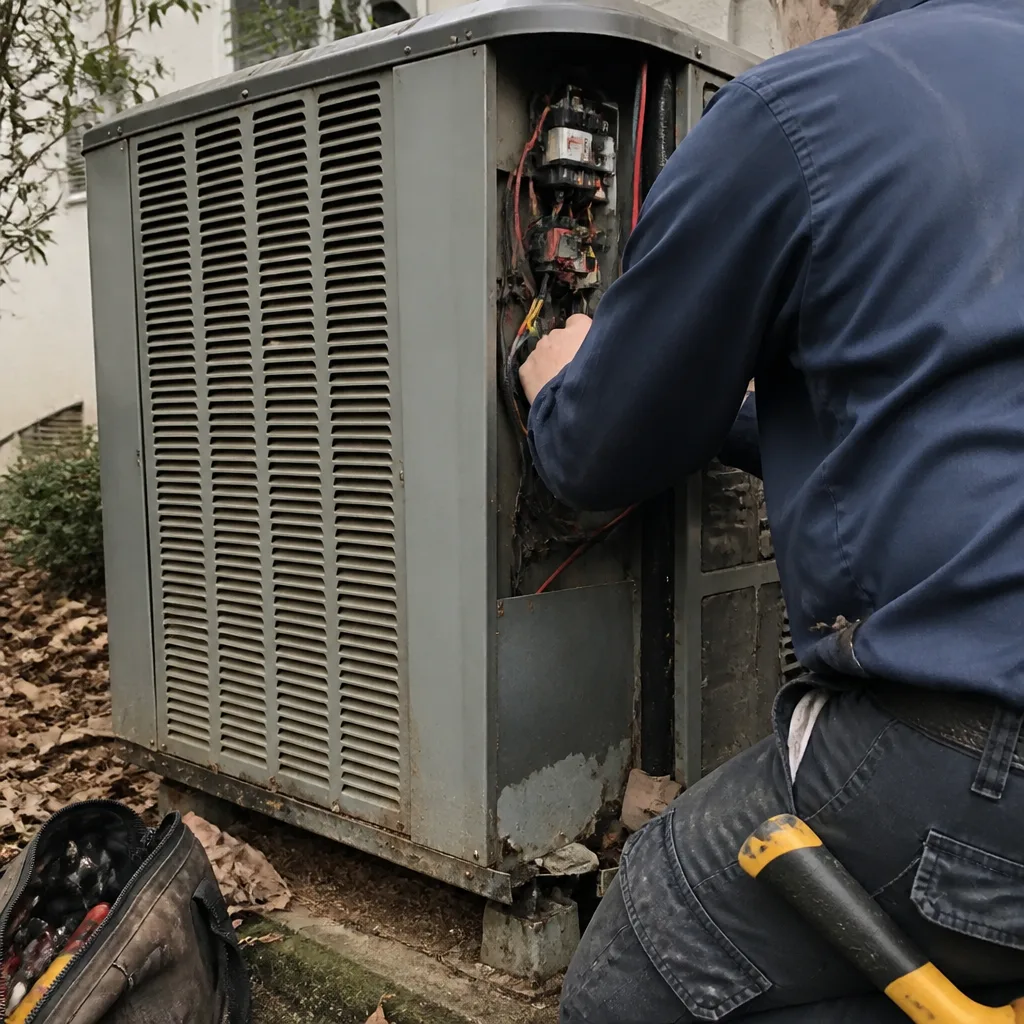 Before
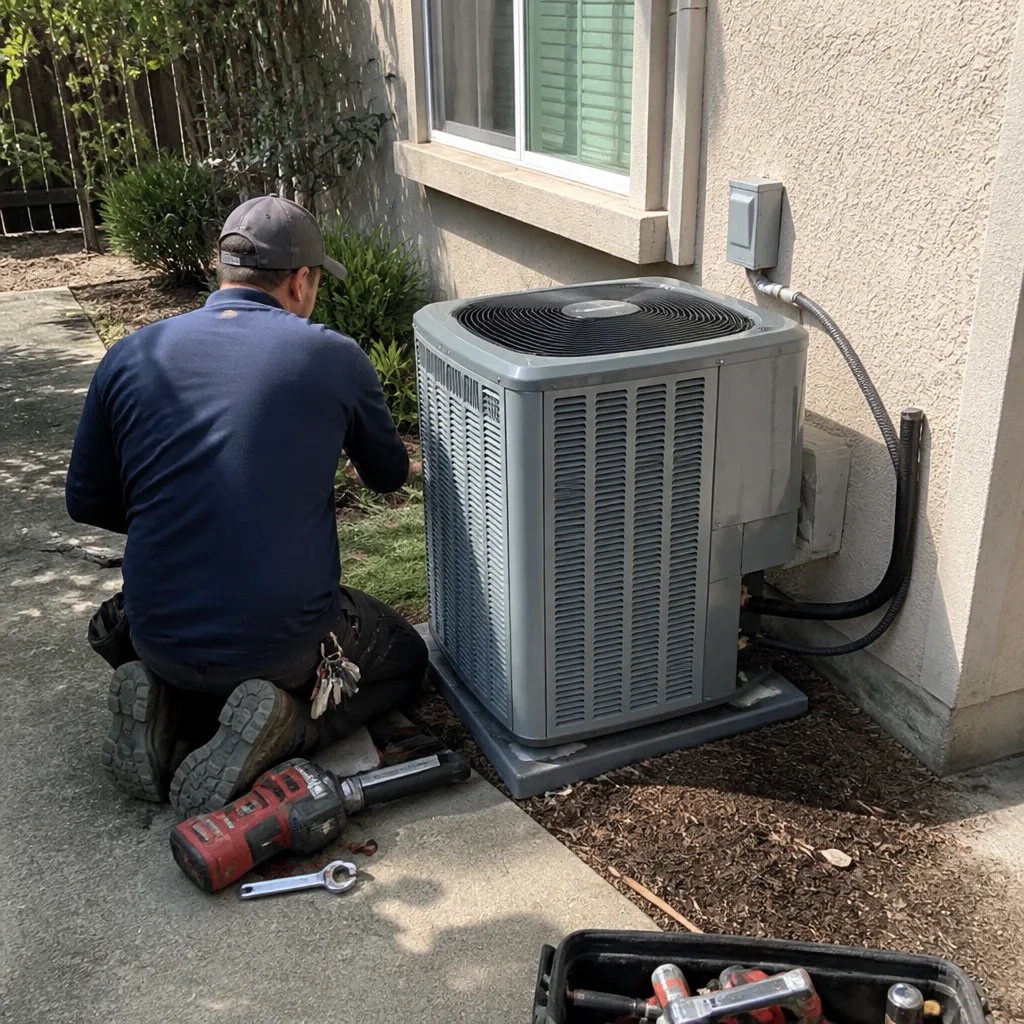 After