
Last updated October 31, 2026
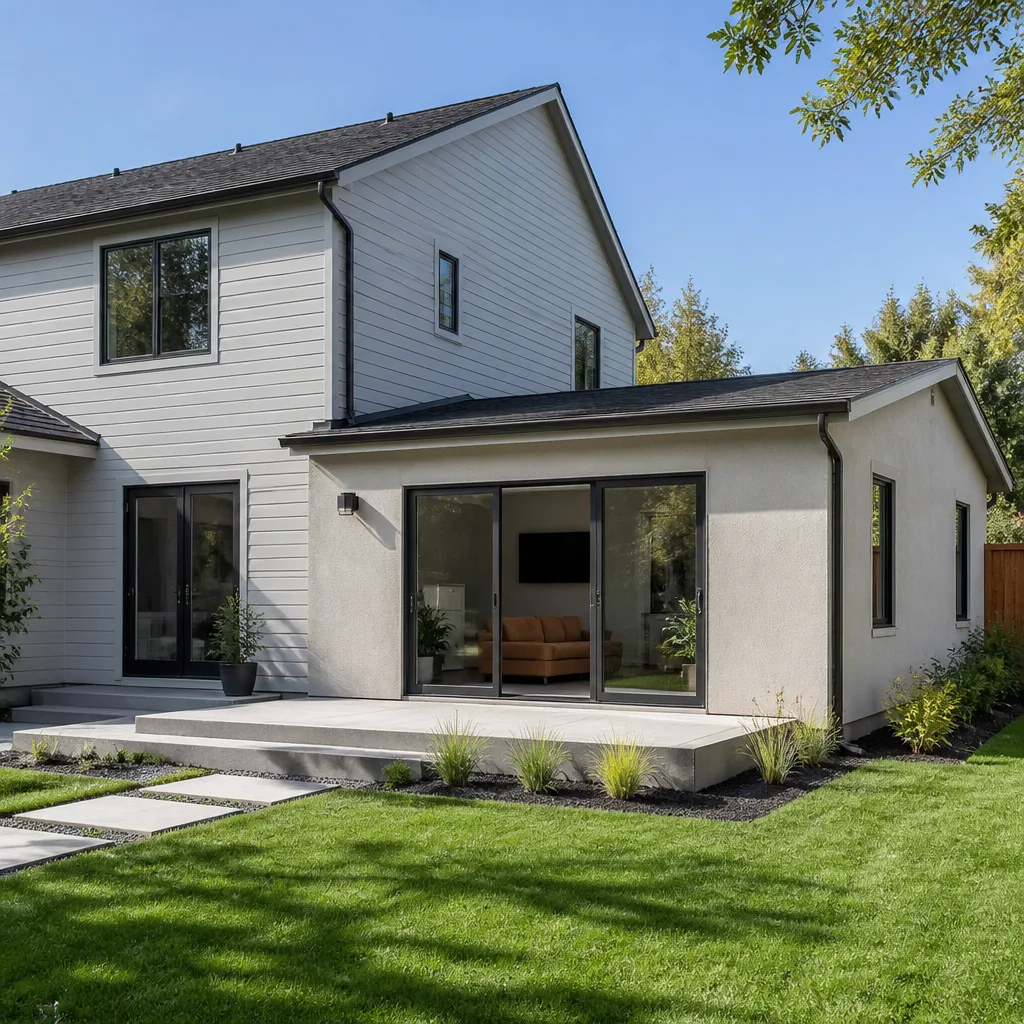 Home additions & ADU
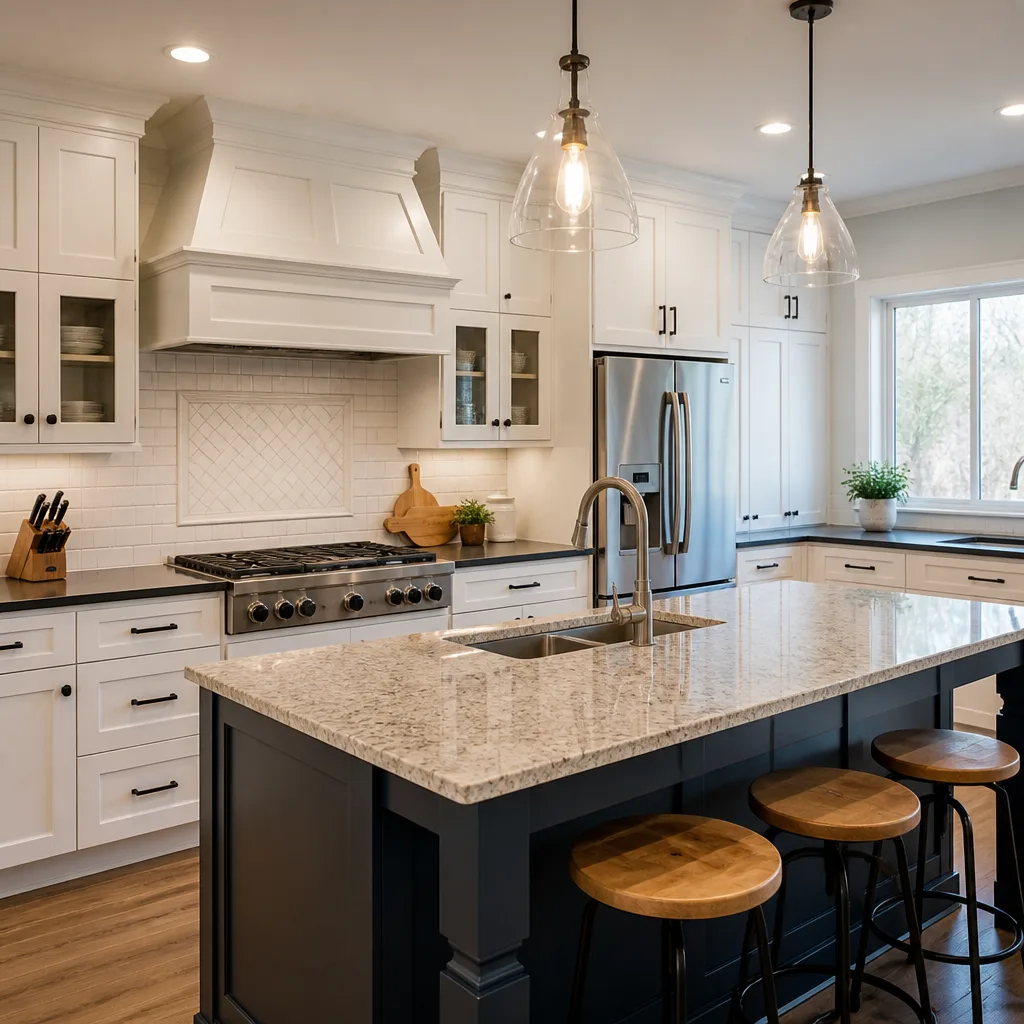 Kitchen remodeling
 Bathroom remodeling
 Roofing
 Windows & doors
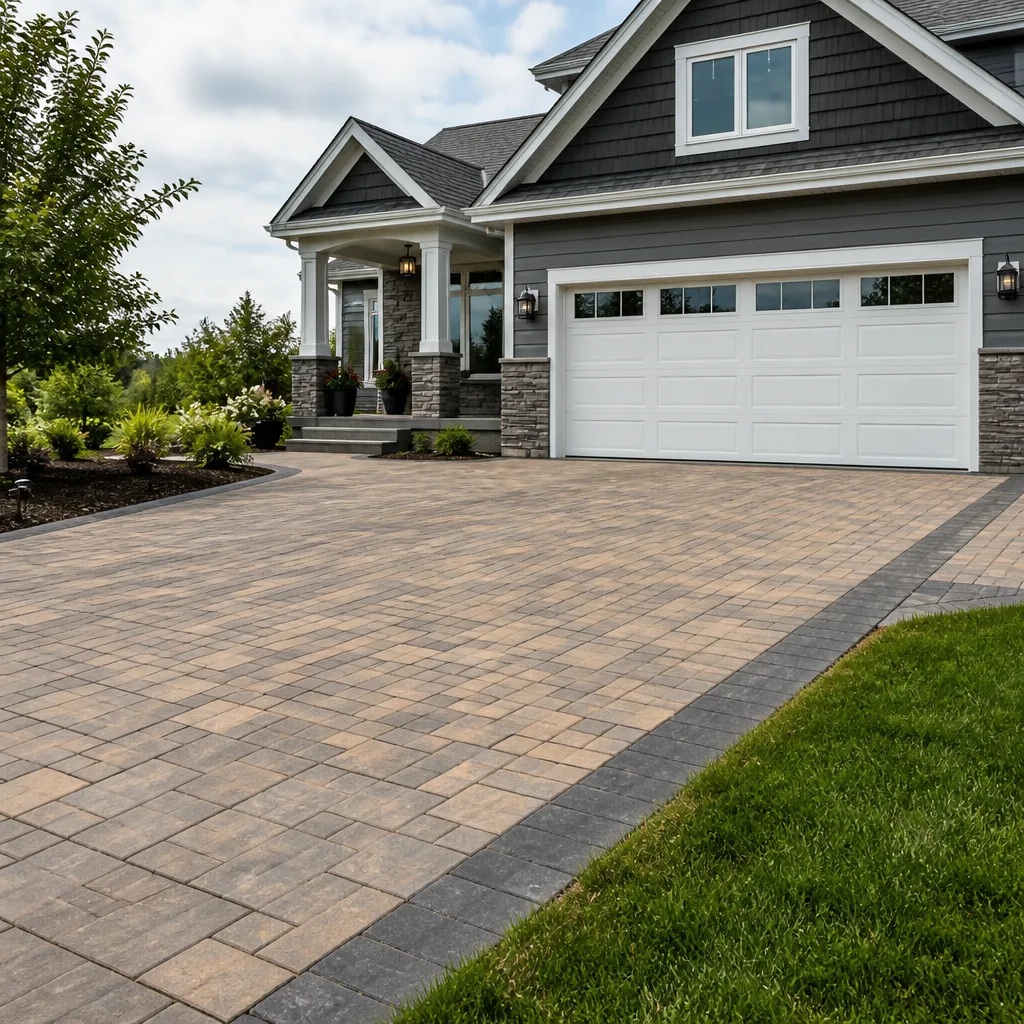 Driveway & pavers
 Fence
Free written scope consultation - allowances, timeline, and change-order rules on paper before a single trade is scheduled
The Complete General Contractor Guide for Milpitas Homeowners
The average Milpitas home renovation touches at least six licensed trades: framing, electrical, plumbing, drywall, tile, and finish carpentry. Most homeowners manage zero of them well when they go without our General Contractor services. That’s where projects go sideways before a single wall is opened. This guide explains what a GC actually owns, where liability falls, which Milpitas permits trigger oversight you cannot skip, and how to evaluate a contractor like someone who has been inside a hundred local remodels. If you’re planning anything from a kitchen update to a full ADU build in Milpitas, this is the roadmap.
Quick Answer
A general contractor in Milpitas is the single licensed entity that owns the project schedule, permit compliance, subcontractor coordination, material procurement, and final workmanship across every trade. Hiring one means you have one contract, one point of accountability, and one company to call when something needs correcting. Going without one means you become the de facto GC, absorbing liability for scheduling, code compliance, and disputes between trades you hired separately.
Styles & brands we work with
Table of Contents
- What a General Contractor Actually Owns in Your Project
- Milpitas Permits: What Requires GC Oversight
- What Full-Scope Means in Milpitas (and Why It Changes the Math)
- The Silicon Valley Scheduling Problem and How a Strong Sub Roster Solves It
- Phase-by-Phase Walkthrough of a Milpitas Project
- Material Selection: Why Brand Names Belong in Your Contract
- ADUs and Prefab Construction in Milpitas: A Different Animal
- How to Evaluate a Milpitas General Contractor
What a General Contractor Actually Owns in Your Project
Most homeowners think a general contractor is just a project manager who schedules work. That’s wrong. In California, a licensed GC is legally responsible for the entire outcome of the project under one contract. When a subcontractor’s work fails, you don’t chase the subcontractor. You call the GC, and the GC is obligated to fix it. That distinction is the entire reason the role exists.
Here’s the breakdown of what a GC owns versus what a subcontractor owns:
- The GC owns the schedule. If the plumber is late, the GC absorbs that delay and re-sequences subsequent trades. Without a GC, you absorb it.
- The GC owns permit compliance. The permit is pulled in the GC’s name. When an inspector flags a framing issue, the GC corrects it. The subcontractor may have made the mistake, but the GC answers to the City of Milpitas for it.
- The GC owns material defects and installation defects. If a window leaks or a cabinet door warps, the GC handles the manufacturer warranty claim and the replacement labor under the workmanship warranty.
- The GC owns worker safety and site liability. A licensed GC carries general liability and workers’ compensation coverage for the site. If an unlicensed worker gets hurt on your property without a GC, you can be personally liable.
- Subcontractors own only their specific trade scope. The electrician owns the wiring. The roofer owns the roof. But their contracts are with the GC, not with you. That’s the protection layer.
We’ve seen Milpitas homeowners try to run their own remodels by hiring trades directly from referrals. It works until something fails, and then the finger-pointing starts. The electrician blames the drywaller. The drywaller blames the framer. Nobody owns the problem. A general contractor in Milpitas eliminates that gap because the contract structure forces one party to own every outcome.
Milpitas Permits: What Requires GC Oversight
The City of Milpitas Building & Safety Department requires permits for any work that alters structure, changes electrical or plumbing systems, modifies rooflines, or adds square footage. That’s not a suggestion. Unpermitted work has a way of surfacing at the worst possible time: during escrow, when the buyer’s inspector flags it and the lender pauses everything.
Here’s what typically requires a permit in Milpitas and what happens when the work is unpermitted:
- Structural changes: Removing or cutting load-bearing walls, foundation work, window or door opening enlargements. The permit requires engineered drawings and a plan review.
- Electrical panel upgrades: Any change to the main service panel triggers a permit. A GC ensures the electrician files and the inspector signs off.
- Plumbing relocations: Moving a kitchen sink, adding a bathroom, or relocating a gas line all require permits. The GC pulls them, not the plumber, unless the plumber holds their own permit with the city.
- Roof replacements: Milpitas requires a re-roof permit. A GC coordinates the roof tear-off, sheathing inspection, and final inspection as one sequence.
- ADU construction: Accessory dwelling units require full building permits, plan review, and often separate utility connection approvals. This is the most permit-heavy project a Milpitas homeowner will ever attempt.
When unpermitted work surfaces during a home sale, the seller has two options: pay to legalize it retroactively, which often requires opening walls to expose wiring and framing, or reduce the sale price. In our experience with home remodeling in Milpitas, we’ve seen unpermitted bathroom additions cost sellers five figures at the negotiation table. The permit exists to protect you, not to inconvenience you.
What Full-Scope Means in Milpitas (and Why It Changes the Math)
Full-scope doesn’t mean a contractor who says yes to everything. It means a contractor who holds real accountability across every phase of a project, from the roofline to the kitchen counter. In practice, that’s a company managing roofing, windows, doors, siding, fencing, hardscaping, and interior remodeling under one contract and one point of contact.
Why does that change the cost and timeline math? Because most project overruns aren’t caused by materials or labor rates. They’re caused by coordination gaps between trades that don’t answer to each other. When the roofer finishes a week late, the stucco crew sits idle. When the stucco crew falls behind, the window trim carpentry gets pushed. Every gap costs days, and every day costs money.
Bundling projects under one contract creates three measurable efficiencies:
- Sequencing control: A full-scope GC can overlap trades that would normally wait on each other. The roofing crew and the fencing crew can work concurrent weeks without conflicts because one scheduler owns both calendars.
- Material logistics: When one company orders lumber, roofing, windows, and pavers, deliveries land in the right order. Nobody’s re-ordering a missed pallet of shingles because the concrete subs delivered on the wrong day.
- Pricing transparency: A single contract means one markup structure, one change-order process, and one warranty. You’re not negotiating three contracts with three different companies and hoping the scopes don’t overlap or leave gaps.
We spec materials by name so you know exactly what’s going into your home. When a Milpitas homeowner bundles a kitchen remodel with a roof replacement and a paver driveway through one full-scope home renovation in Milpitas, they avoid paying three separate mobilization fees, three project management markups, and three rounds of dumpster rental. That’s real money, not theoretical efficiency.
The Silicon Valley Scheduling Problem and How a Strong Sub Roster Solves It
Milpitas sits in one of the most labor-competitive construction markets in the country. Silicon Valley’s building boom draws electricians, plumbers, and finish carpenters toward commercial tech campuses and new residential developments that pay premium rates. Residential remodels compete for the same labor pool, and homeowners who try to self-manage learn this the hard way: the tile guy doesn’t show up for three weeks because he’s on a Google campus job in Mountain View.
A GC with an established subcontractor roster solves this in ways a homeowner cannot:
- Standing relationships: Subs who get consistent work from a GC prioritize that GC’s projects. They return calls. They show up. The relationship is worth more to them than one-off jobs from a homeowner they’ll never see again.
- Backfill capacity: When one sub is overloaded, a GC with a deep roster pivots to another vetted subcontractor without losing days or quality. A homeowner starts cold-calling from Yelp.
- Pricing stability: GCs with steady sub relationships lock in labor rates that reflect ongoing volume, not spot-market desperation. In a tight labor market, that shows up directly in your estimate.
- Accountability loops: A sub who doesn’t fix a deficiency for a GC loses future work from that GC’s entire project pipeline. That leverage doesn’t exist when a homeowner is a one-time client.
Milpitas’s proximity to tech campuses in North San Jose and Fremont means labor demand never really cools off. Your project isn’t just competing with other Milpitas remodels. It’s competing with commercial build-outs across the entire South Bay. A GC who already has crews committed solves the problem before you ever feel it.
Phase-by-Phase Walkthrough of a Milpitas Project
Every well-run Milpitas remodel follows a predictable sequence. Knowing the phases before you start helps you evaluate contractors, understand what you’re paying for, and spot red flags early—see The Complete Guide to Construction in Milpitas for deeper context. Here’s the walkthrough, with the decision points you should expect at each stage.
- Site assessment and scope definition (1-2 weeks): The GC walks the property, reviews existing conditions, checks for structural surprises, and documents everything. For exterior work, this includes roof condition, drainage patterns, and whether Milpitas’s heavy clay soil will affect hardscaping or foundation approaches. Decision point: You confirm the scope against a written project description before any pricing is finalized.
- Design and material selection (2-4 weeks): The GC presents material options by brand tier. Whether you’re choosing GAF or CertainTeed roofing, James Hardie siding, or Cambria countertops, the selection is guided, not a solo trip to a big-box store. Decision point: You lock materials by name and SKU so the estimate reflects exactly what will be installed.
- Permit preparation and submittal (2-6 weeks): The GC’s team prepares drawings where required, submits permit applications to the City of Milpitas, and responds to plan review comments. Decision point: None required unless the city flags a code issue, which the GC resolves.
- Demolition and rough-in (1-3 weeks depending on scope): Walls come out, framing goes in, electrical and plumbing rough-in runs behind the framing. The Milpitas inspector does a rough-in inspection at this point. Decision point: You approve any change orders triggered by discovered conditions, like hidden mold or outdated wiring.
- Enclosure and weatherproofing: Roofing, windows, doors, and siding sequence here if exterior work is in scope. This locks the structure against weather before interior finish work begins. Decision point: None unless you chose to add exterior scope mid-project, which is more expensive than bundling upfront.
- Interior finish work (2-8 weeks): Drywall, tile, cabinetry, countertops, fixtures, paint, and trim. This is the longest visual phase and the one where craftsmanship is most visible. Decision point: Final punch-list review before final payment. Walk every room with the GC and note every imperfection.
- Final inspection and closeout: The City of Milpitas signs off on the permit, the GC walks you through warranties for every product and every installation, and you receive a closeout package with all permits, warranties, and material documentation. Decision point: You confirm everything on the final punch list is complete, then release final payment.
The most common mistake we see homeowners make is delaying material decisions until after demolition starts. Once walls are open, every day of indecision on tile or fixtures is a day the sub schedule stalls. Lock materials during phase two, before the permit is even approved.
Material Selection: Why Brand Names Belong in Your Contract
A verbal promise of “quality materials” is worthless. A written line item that says “Kohler Purist shower system” or “GAF Timberline HDZ shingles” is enforceable. This is the single most overlooked difference between a professional GC and a handyman operation, and it’s where Milpitas homeowners get burned most often.
When a Milpitas contractor specs materials by name, three things happen:
- You can verify pricing. If the contract says Silestone countertops and the installer shows up with a generic quartz slab, you have a contract violation. If it just says “quartz countertops,” you have a conversation.
- Warranty terms become clear. A CertainTeed roof carries specific manufacturer warranty language tied to certified installation. A “quality roof” carries whatever the installer feels like honoring.
- Long-term performance is predictable. We choose from proven contractor-grade brand tiers because we know how they hold up. IKO, Atlas, Tamko, and Boral each have specific strengths for different roofing profiles and Milpitas’s climate conditions. A generic shingle is a gamble.
Milpitas Construction maintains active access to over 50 brand-name product lines spanning every major trade: KraftMaid and Wellborn cabinetry, Cambria and Caesarstone countertops, Kohler and Grohe fixtures, James Hardie siding, GAF and CertainTeed roofing, Therma-Tru doors, and more. That roster matters because it means we’re not guessing which products work. We’ve installed them, watched them perform, and know which ones belong in specific applications.
ADUs and Prefab Construction in Milpitas: A Different Animal
Accessory dwelling units have become one of the most common projects for Milpitas homeowners, and for good reason. The city has streamlined ADU permitting to encourage production, and a completed ADU adds real rental income or multi-generational living space. But ADU construction is not a standard remodel. It involves separate utility connections, setback requirements, foundation engineering, and often, a different set of contractors entirely.
This is where most traditional GCs fall short. They can frame, but they’ve never coordinated a prefab module delivery. They can pour concrete, but they don’t understand the tolerances that a factory-built structure requires. Milpitas Construction works directly with modern prefab manufacturers including Abodu, Dvele, Mighty Buildings, Boxabl, and Plant Prefab. That’s not a future offering. It’s a current specialty.
Why does prefab expertise matter? Because prefab ADUs change the schedule and the risk profile. The structure arrives on a truck, built in a controlled factory environment. The GC’s job is site preparation, foundation work to exacting tolerances, utility connections, and finish work around the module. If the foundation is off by half an inch, the module doesn’t sit right, and the manufacturer’s warranty doesn’t cover corrective work. A GC who has done this before knows the stakes, and knows how to sequence the crane, the inspection, and the finishing trades so the project doesn’t stall.
For a traditional site-built ADU, the GC manages the same phases as any addition: plans, permits, foundation, framing, mechanicals, finish. But the Milpitas-specific complications are real. Setback requirements vary by lot orientation. Utility connection fees apply. School impact fees apply in some cases. An experienced GC runs those numbers early so the budget doesn’t surprise you later.
How to Evaluate a Milpitas General Contractor
Here’s the insider framework for evaluating a GC. Not the vague advice about checking references, a real evaluation structure you can use today.
- Ask for a sample contract by name. Not a verbal explanation of terms. A real contract with a scope section, payment schedule, change-order language, and warranty clauses. Read it before you sign anything. If a contractor won’t show you the contract upfront, that’s a red flag.
- Ask which specific material brands are in their portfolio. If the answer is “whatever you want,” they’re a pass-through. You can get that at any big-box store. You want someone who says, “We install these brands, and here’s why.” Material specificity is a proxy for installation experience.
- Ask who pulls the permits and whose name is on them. The answer should be immediate: “We pull them in our name.” If there’s hesitation, the contractor may be planning unpermitted work. Walk away.
- Ask about their subcontractor roster, not their employee count. Most remodels are built by a mix of company employees and vetted subs. The relevant question is whether the GC has a stable roster they’ve worked with repeatedly, or whether they’re hiring day labor from the local supply yard.
- Ask for a written timeline with phase milestones. Not a vague “8 to 10 weeks.” A phase-by-phase schedule that shows when each trade arrives and when inspections happen. If they can’t produce one, they haven’t managed enough projects to know the sequence.
- Ask what happens when a sub fails an inspection. The answer should be: the GC corrects it, reschedules the inspector, and the sub doesn’t get paid until it passes. This tells you how the contractor actually runs the job when things go wrong.
Common Mistakes to Avoid
- Signing a contract without material specifications. If the scope says “new roof” but doesn’t name the shingle brand and line, you’ve agreed to whatever the contractor feels like installing. Insist on brand names, model numbers, and quantities in writing.
- Hiring the lowest bid without comparing scope line items. In Milpitas’s competitive market, low bids usually mean excluded items: no permit fees, no hauling, no finish hardware. Compare the actual scope, not the bottom line.
- Starting interior work before the exterior enclosure is watertight. In Milpitas’s winter rain season, opening walls while the roof or siding is incomplete invites water intrusion and mold. Sequence the enclosure first.
- Paying large deposits upfront. California law limits down payments to 10% or $1,000, whichever is less, for home improvement contracts. Any GC asking for more is operating outside state law.
- Skipping the permit because “it’ll take too long.” Milpitas permit timelines for standard remodels are manageable. The cost of unpermitted work at resale is far higher than the wait.
- Changing scope mid-project without a written change order. Verbal changes are how budgets explode and relationships sour. Every change gets documented, priced, and signed before work proceeds.
- Not confirming insurance certificates are current. A GC should provide certificates of insurance naming you as additionally insured before work begins. If the policy lapsed, you’re the one exposed.
See the difference
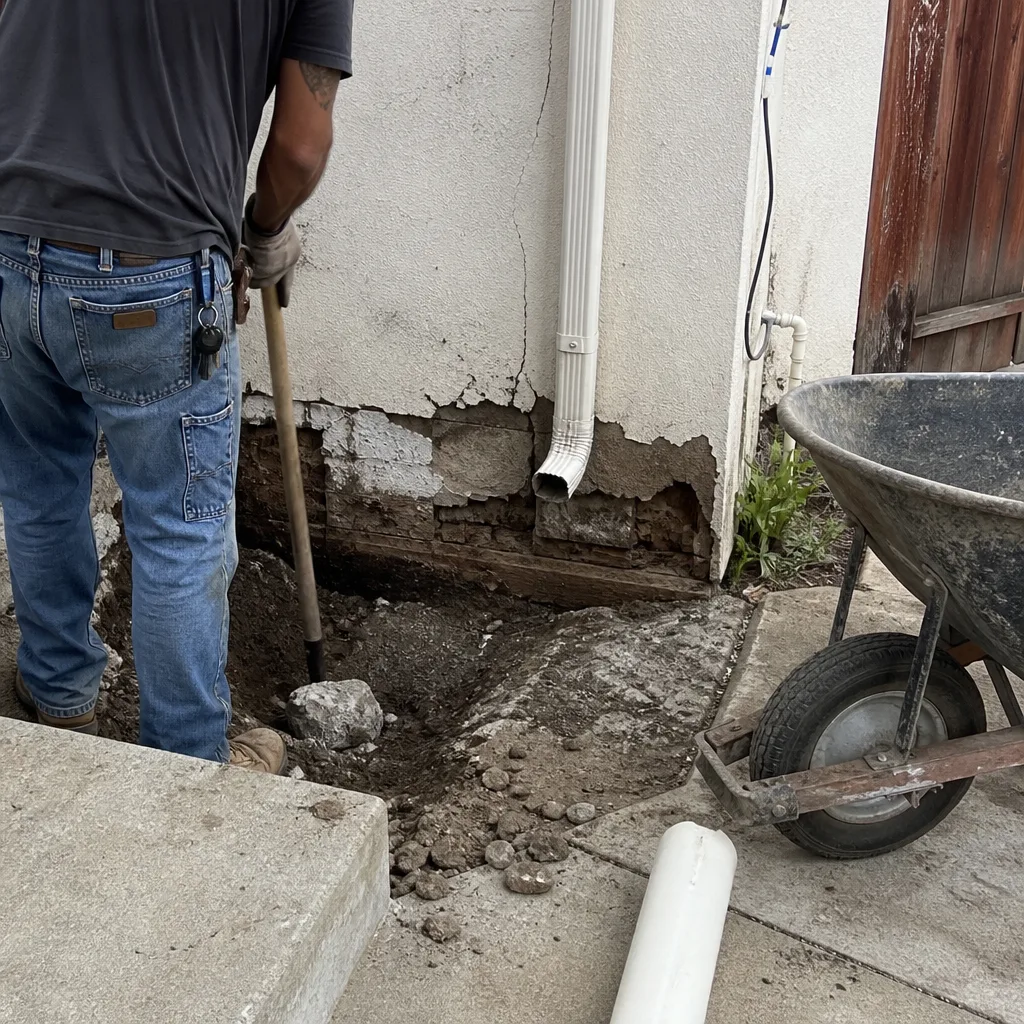 Before
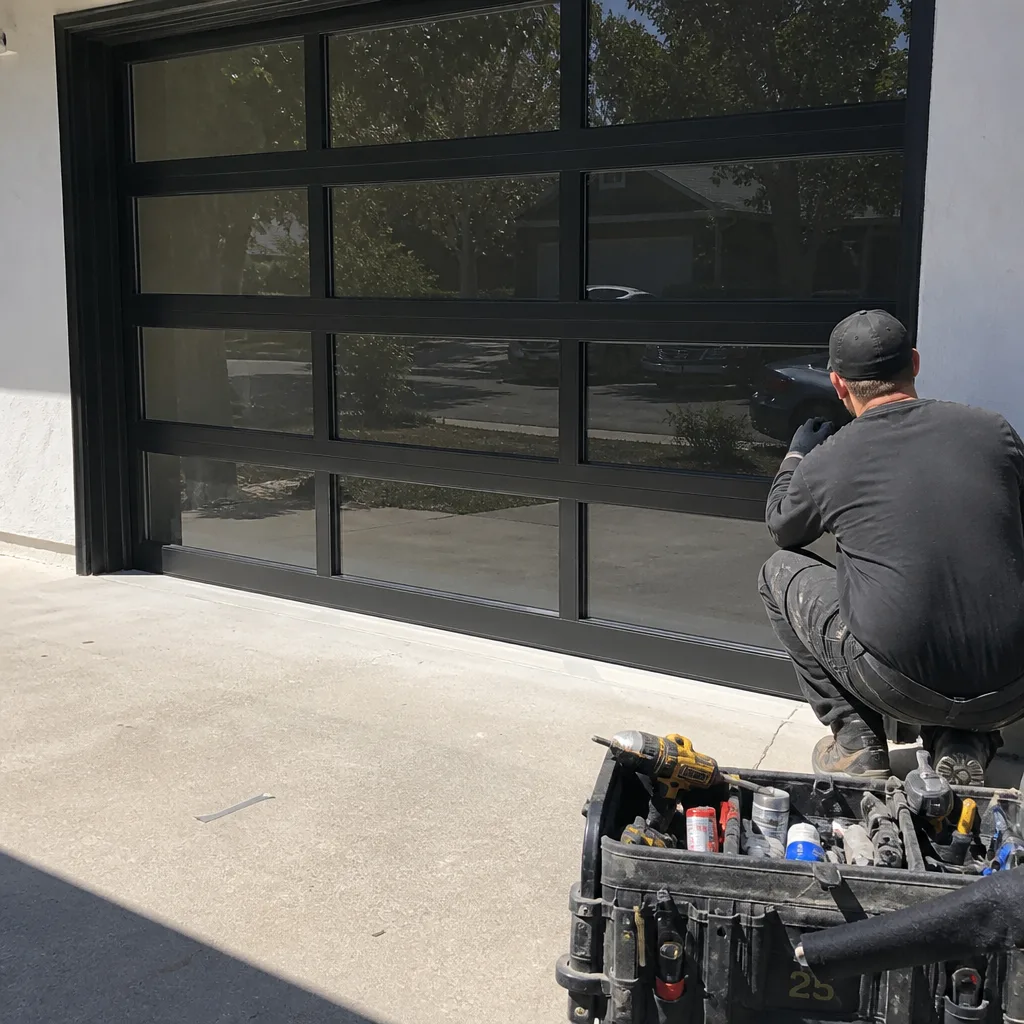 After
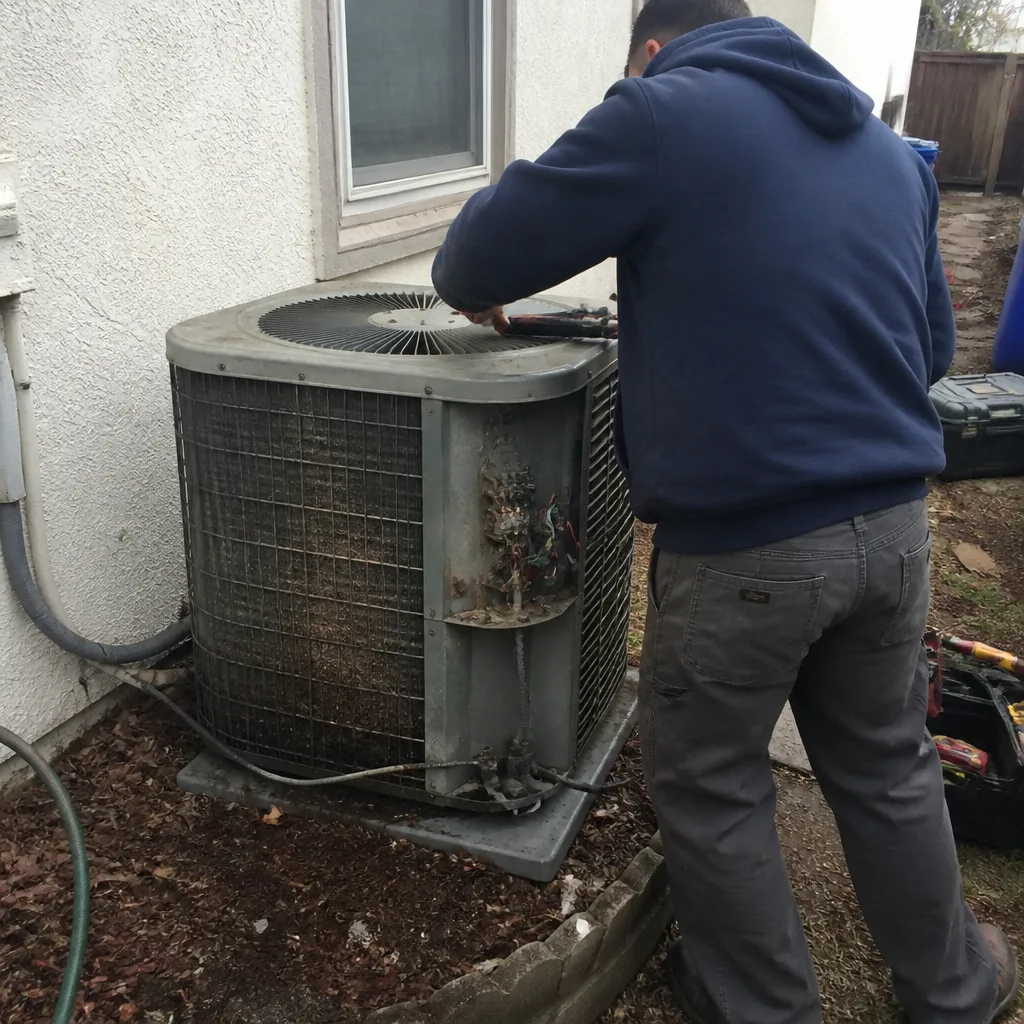 Before
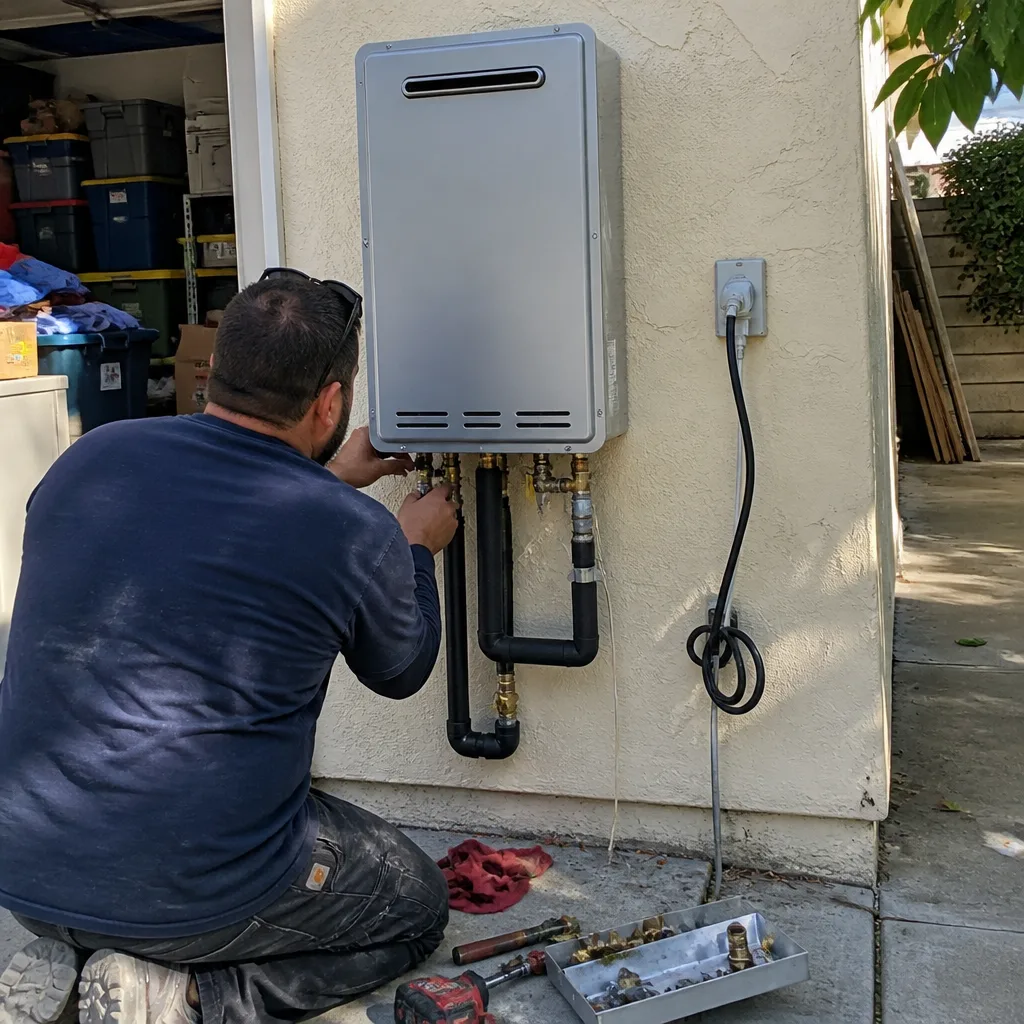 After
 Before
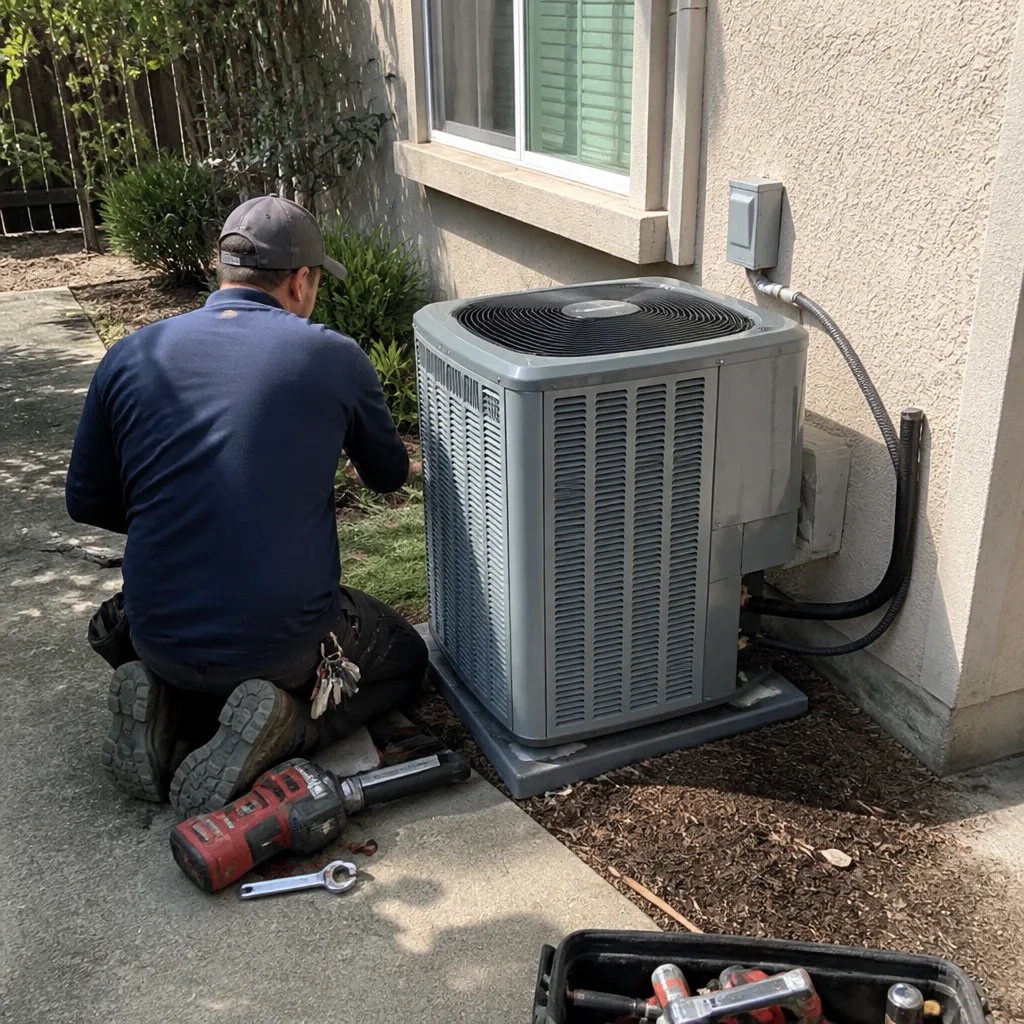 After
When to Call a Professional
Call a licensed general contractor if your project involves structural changes, permit-required work, multiple trades, or a scope you cannot define clearly yourself. That includes kitchen and bath remodels that move plumbing or electrical, any roof replacement, window or door installation that changes openings, siding replacement, substantial hardscaping, and all ADU construction. If your project touches more than two trades, the coordination burden alone justifies a GC. If it touches structural elements or utility systems, the liability exposure makes a GC non-negotiable. Milpitas Construction offers free estimates in Milpitas – call (877) 752-4194 to discuss your project.
Frequently Asked Questions
General contractor fees in Milpitas typically run 15% to 25% of total project cost, depending on scope complexity and whether the GC is also self-performing trade work. A $100,000 remodel will carry $15,000 to $25,000 in GC overhead and profit. That’s not a markup to negotiate away. It’s the price of single-point accountability, permit management, and schedule coordination. Call (877) 752-4194 for an exact quote on your specific project – estimates are free.
Any structural change, electrical panel modification, plumbing relocation, roof replacement, or square footage addition requires a City of Milpitas building permit. Your GC pulls the permit in their name and manages all inspections. Cosmetic work like paint, flooring, and cabinet refacing typically doesn’t require permits unless you’re changing underlying systems.
A full interior renovation with kitchen and bath remodels typically takes 10 to 16 weeks from start to final inspection, depending on permit wait times and scope. Exterior projects like roofing and siding sequence in 2 to 6 weeks. ADU projects run 4 to 9 months depending on whether you choose site-built or prefab construction. A written timeline with phase milestones should be part of your contract before work begins.
Yes, a full-scope general contractor manages interior remodels and exterior work under one contract. This bundling reduces scheduling conflicts, eliminates coordination gaps between trades, and often reduces overall cost because you’re not paying multiple contractors for overlapping mobilization and project management. The same company managing your roof, windows, pavers, and fencing also handles your kitchen remodel – one conversation, one accountable team.
A licensed general contractor can pull permits, manage multiple trades, and carry the liability for project-level outcomes. A handyman is limited to minor repairs and small projects under California’s $500 per project threshold for unlicensed work. If your project requires permits, structural changes, or coordinated trade work, you need a GC. If you need a faucet replaced, a handyman is appropriate.
Yes, ADU construction in Milpitas requires a licensed general contractor to pull permits, coordinate foundation and utility work, and manage inspections. The complexity is greater than a standard remodel because ADUs involve separate utility connections, setback compliance, and in the case of prefab units, precise foundation tolerances for module placement. Call (877) 752-4194 to discuss your ADU project – estimates are free.
The Bottom Line
The general contractor role is a system, not a service. The system includes permit ownership, schedule control, subcontractor accountability, material specification, and final workmanship liability. When any piece of that system is missing, the homeowner absorbs the gap. Milpitas’s competitive labor market, clay-heavy soils, and permit requirements make a qualified full-scope GC more valuable here than in many other California markets. Evaluate contractors by their contracts, their brand portfolios, their sub rosters, and their written timelines. For more guides & resources, visit our blog. If any of those pieces is missing, keep looking. From the roofline to the kitchen counter – one contractor, one conversation.
For a deeper look at what we do, start at the Milpitas Construction home page, or call (877) 752-4194 to schedule a free estimate.
Written by the team at Milpitas Construction, serving Milpitas since 2018.