
Last updated October 31, 2026
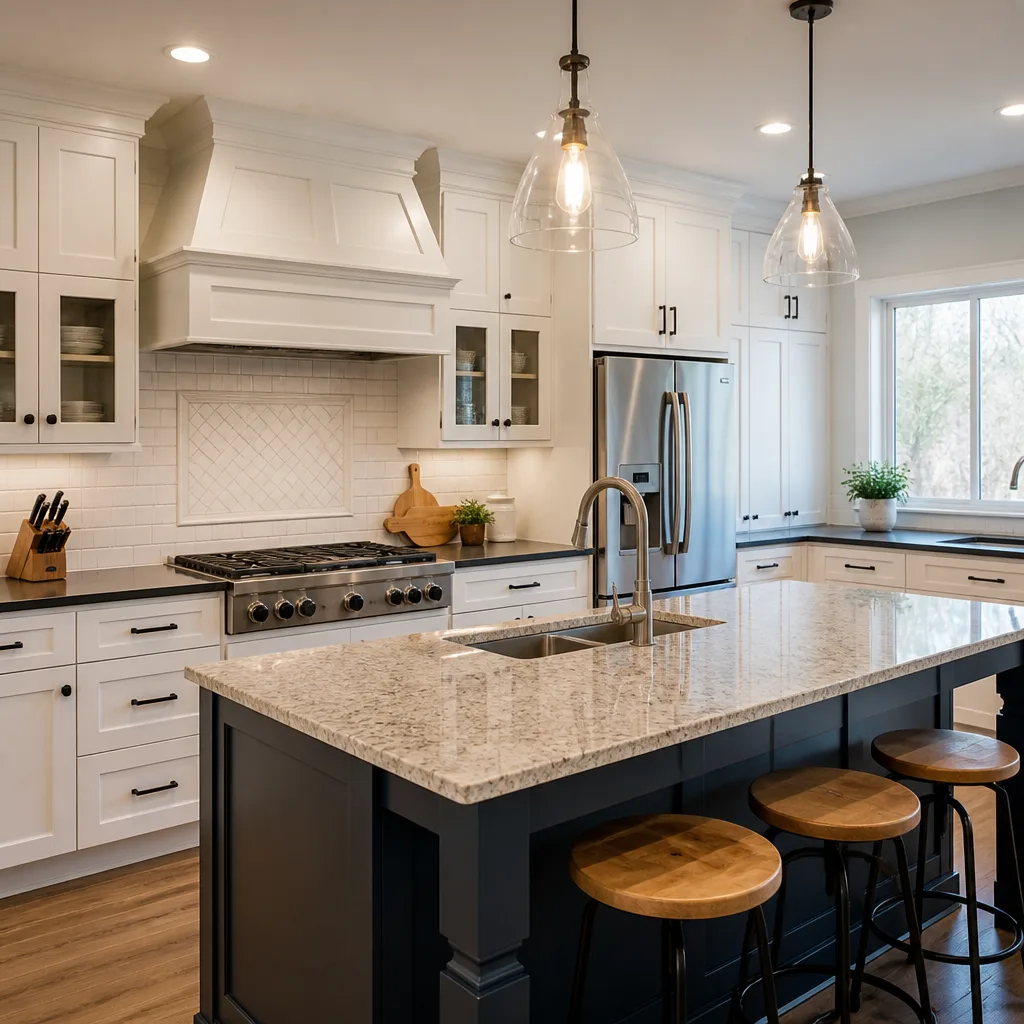 Kitchen remodeling
 Bathroom remodeling
 Home additions & ADU
 Roofing
 Windows & doors
 Driveway & pavers
 Fence
Free written scope consultation - allowances, timeline, and change-order rules on paper before a single trade is scheduled
How to Hire a Construction Contractor in Milpitas: A Step-by-Step Guide
Here’s a scenario we see too often in Milpitas. A homeowner decides to redo a kitchen, then realizes the roof needs work, then figures they might as well replace the windows while they’re at it. They hire a roofer. Then a window company. Then a general contractor for the kitchen. Three contracts, three crews, three project managers, and zero shared accountability. When the flashing between the new roof and the new window leaks, the roofer blames the window installer. The window installer blames the roofer. The homeowner pays to fix it. This guide explains how to avoid that situation entirely by hiring one accountable contractor in Milpitas who owns the whole project from the first permit to the final inspection. For more guides & resources, see our blog.
Quick Answer
To hire a construction contractor in Milpitas, verify their California contractor license through the CSLB, confirm they carry general liability and workers’ compensation insurance, get at least three written bids with line-item scope details, check references from completed Milpitas projects, and sign a contract that specifies who pulls permits, who manages subcontractors, and what happens when scope changes. The single most important factor is accountability structure: one licensed general contractor who manages all trades under one contract eliminates the coordination gaps that cause most cost overruns and disputes. Our Complete General Contractor Guide for Milpitas Homeowners covers this in depth.
Styles & brands we work with
Table of Contents
- Step 1: Verify the California Contractor License Through the CSLB
- Step 2: Confirm Insurance Coverage Before Anyone Sets Foot on Your Property
- Step 3: Define Your Project Scope Before You Call a Single Contractor
- Step 4: Ask Hard Questions About Subcontractor Relationships
- Step 5: Read the Contract Like Your Money Depends on It (Because It Does)
- Step 6: Compare Bids the Right Way in the Milpitas Market
- Step 7: Why Material Selection Should Influence Who You Hire
- Red Flags Specific to the South Bay Contractor Market
Step 1: Verify the California Contractor License Through the CSLB
In California, any contractor performing work valued at $500 or more in combined labor and materials must hold a state contractor license issued by the Contractors State License Board, or CSLB. This is a statewide requirement that applies to every project in Milpitas, from a bathroom remodel to a full ADU addition. Verifying a license takes less than five minutes online at the CSLB website. You need the contractor’s license number, which should appear on their business card, their website, their vehicle, and their written bid. If a contractor hesitates to provide a license number, that conversation is over.
When you pull up a license on the CSLB database, you’ll see the license classification, its status, the issue date, and whether there are any active suspensions or disciplinary actions. The classification matters enormously for mixed-scope projects. A “B” license is a General Building Contractor classification, which allows the holder to manage and perform work involving two or more unrelated trades. A “C” license covers a specific trade, such as C-39 for roofing or C-54 for tile. If you’re hiring a roofer to also manage window replacement and stucco repair, you need someone operating under a B classification or a general contractor who holds the B and manages C-license holders as subcontractors.
For Milpitas homeowners planning a project that touches multiple systems, this distinction determines whether you’re getting one accountable party or a collection of independent trades. A full-scope general contractor in Milpitas operates under the B classification, which means they can legally coordinate and manage every trade on the job. That’s not a small paperwork detail. It’s the legal structure that makes single-contract accountability possible.
We recommend checking the license number on every bid you receive. It takes minutes. It also tells you whether the contractor is current on their bond requirement, which all California licensed contractors must maintain. If the license reads expired, suspended, or revoked, you’re not just rolling dice on workmanship. You’re also potentially voiding your homeowner’s insurance coverage for any damage caused by unlicensed work.
Step 2: Confirm Insurance Coverage Before Anyone Sets Foot on Your Property
A valid license does not guarantee adequate insurance. These are two separate protections, and Milpitas homeowners need both. Before signing anything, request a certificate of insurance directly from the contractor’s insurance carrier, not just a photocopy from the contractor. The certificate should name you as an additional insured for the duration of your project. It should show general liability coverage sufficient for your project’s scale, and it should include workers’ compensation coverage, which is mandatory for any contractor with employees in California.
Why does this matter beyond the obvious? If an uninsured or underinsured worker is injured on your property, California law can hold the property owner liable. Homeowner’s insurance policies typically exclude claims arising from unlicensed or uninsured contractor work. A workers’ compensation policy is the contractor’s protection for their crew. A general liability policy is the protection for your property if something gets damaged during construction. Both should be current, and the CSLB actually requires a contractor to keep workers’ comp coverage current as a condition of maintaining an active license.
Ask for the certificate at the same time you ask for the bid. A contractor who can’t produce insurance documentation within a day or two is either disorganized or uninsured, and neither is acceptable for a project that will involve people working on your roof, inside your walls, and around your family. For larger Milpitas renovation projects, we’ve also seen homeowners request that any subcontractor brought on the job be specifically listed on the certificate. That’s a reasonable ask. It forces the conversation about who’s actually doing the work, which is the topic of Step 4.
Step 3: Define Your Project Scope Before You Call a Single Contractor
Most contractor disputes in Milpitas trace back to one root cause: the scope was never clearly defined in writing before work began. Think of your project scope as a document that answers three questions. What exactly is being built or replaced? What materials and brands are specified for every component? What is explicitly excluded from the job?
Write this down before you make the first phone call. It doesn’t need to be professionally formatted. It needs to be specific. “Replace kitchen” is not a scope. “Remove existing cabinets and countertops; install new KraftMaid cabinetry in maple with soft-close hardware; install Cambria quartz countertops with a waterfall edge on the island; replace sink and faucet with Kohler plumbing fixtures; patch and repaint walls where old tile was removed” is a scope. The first version guarantees a lowball bid that will balloon with change orders. The second version gives every contractor the same information, which makes their bids directly comparable.
This is also where you decide how much of your project is interior, exterior, or both. If your Milpitas project touches the roofline and the kitchen counter, those are different scopes with different permitting implications. A full-scope contractor who handles home remodeling in Milpitas from roof to interior means one scope document covers everything, eliminating the gap where exterior-to-interior coordination usually fails. When you’re comparing contractors, look for the one who can write a single scope that covers every trade involved. That’s the contractor who owns the whole outcome.
Step 4: Ask Hard Questions About Subcontractor Relationships
General contractors use subcontractors. That’s normal, and it’s not a red flag. What matters is the relationship structure. Ask these questions on every contractor interview, and take notes on the answers:
- Who holds the license for each trade on this job? The answer should be: the subcontractor holds a current C-classification license for their trade, and the GC holds the B classification that manages them.
- Who pulls the permits? The answer should be: the general contractor pulls all permits under their name and license number. If a contractor suggests you pull permits as the homeowner to save money, end the interview. That transfers legal responsibility to you for work you didn’t perform.
- Who is on-site when the building inspector from the Milpitas Building and Safety Department shows up? The answer should be: the project manager or GC representative. If a sub is expected to handle inspections alone, ask why.
- How long have your primary subcontractors worked with you? A stable roster of subs means the GC has already worked through the coordination problems that plague fresh relationships.
- Will all subcontractors be listed in the contract? They should be, along with their license classifications and insurance status.
The homeowners who get burned in Milpitas are almost always the ones who never asked these questions and then found out mid-project that the tile guy was unlicensed, the electrician’s permit was pulled under someone else’s name, and nobody on-site had the authority to fix a problem when the inspector flagged it. A home renovation in Milpitas run by a GC with established subcontractor relationships doesn’t have these failure points, because the chain of responsibility is documented before demolition starts.
Step 5: Read the Contract Like Your Money Depends on It (Because It Does)
California law requires that all home improvement contracts over $500 be in writing, and the CSLB specifies minimum elements that must appear. But a compliant contract is not automatically a complete contract. The sections most homeowners skip are the ones that determine who pays when something goes wrong between trades, and on a mixed-scope Milpitas project, those gaps are where the disputes happen.
Here’s what to scrutinize in every contract you receive:
- Scope of work with specific brand names. If the contract says “mid-grade cabinets” instead of “KraftMaid maple cabinets with soft-close hinges,” the contractor can legally install anything that loosely fits the description. You surrendered material quality in the contract language without realizing it.
- Change-order procedure. The contract should state that all changes to scope, price, or timeline are processed in writing with a signed change order before the work begins. Verbal change orders are the top cause of payment disputes in the South Bay. Never accept “we’ll figure it out later” from any contractor.
- Payment schedule tied to milestones. California limits the down payment for home improvement to 10 percent of the total or $1,000, whichever is less. After that, progress payments should be tied to completed and inspected milestones, not calendar dates.
- Permit and inspection responsibility. The contract should state in writing that the contractor obtains all permits and schedules all inspections. If this section is absent or ambiguous, insist it be added and initialed.
- Warranty language. What does the contractor warrant, for how long, and what’s excluded? California requires a one-year minimum implied warranty on workmanship. A contractor who offers more, in writing, is signaling confidence in their work.
- Material substitution policy. This is the section that protects you from mid-project substitutions. It should state that listed brands are specified unless you approve a substitute in writing. Contractors without established supplier relationships are more likely to want loose substitution language, because they don’t know what they can actually get.
Step 6: Compare Bids the Right Way in the Milpitas Market
The South Bay has a particular contractor market dynamic, and Milpitas sits right in the middle of it. Bids can vary by 30 to 50 percent for the same written scope, and the variation almost never signals a difference in profit margin. It signals a difference in what’s being assumed, excluded, or planned for. A lowball bid in this market typically assumes permit costs will be lower than they end up being, assumes no hidden conditions behind the walls, and assumes the homeowner will accept whatever material substitution keeps the job profitable.
Here’s how to compare bids so you’re comparing actual scope, not just bottom-line numbers:
- Total price. This is the headline number, but it’s also the least useful one for comparison. Note it and move on.
- Line-item scope detail. A bid with no line items tells you the contractor is pricing a guess. A bid with detailed line items tells you they’ve thought through the job. Reject any bid that’s substantially cheaper with less detail. That contractor is either planning change orders or doesn’t understand the project.
- Specified brands. Does the bid name the cabinet line, the countertop manufacturer, the roofing shingle line? A bid that says “Techo-Bloc pavers” or “Unilock retaining wall block” is a bid from a contractor with established supplier accounts, which protects you from substitution risk. A bid that says “pavers” or “hardscape materials” is a blank check.
- Permit line item. A legitimate Milpitas contractor includes permit costs as a line item with a realistic estimate based on the Milpitas Building and Safety Department fee schedule. A bid that omits permit costs entirely is a lowball designed to look competitive and then surprise you later.
- Timeline with milestones. The bid should include a proposed schedule with clear phases: demolition, rough-in, inspections, finishes, final walkthrough. Timeline is a scope item. A contractor who won’t commit to one in writing is telling you they don’t manage their schedule.
- Exclusions. A complete bid tells you what’s not included. “Electrical only to existing panel” or “no drywall repair included” are honest exclusions. A bid with no exclusions section is a bid that plans to argue about scope later.
When you sit down with three detailed bids for the same written scope, the right choice usually becomes obvious. It’s rarely the cheapest. It’s the one whose assumptions, materials, and procedures are laid out clearly enough that you could hand the contract to a third party and they’d know exactly what’s being built. In our experience working with Milpitas homeowners, the contractors who write detailed bids are also the ones who manage detailed projects. The correlation holds.
Step 7: Why Material Selection Should Influence Who You Hire
Most hiring guides tell you to pick a contractor and then pick your materials. That order is backwards. Who you hire determines what materials you can actually get, and what happens when the specified material has a supply issue. Contractors with established supplier relationships, real trade accounts, and a history of installing specific product lines have purchasing power and priority access that a contractor buying retail from big-box stores simply does not have.
This matters in Milpitas because the project mix here often includes exterior hardscape and pavers, where brand differences are significant. A paver patio built with Cambridge Pavers or Tremron products, installed by a contractor who works with those manufacturers regularly, is a different outcome than whatever is in stock at a supply yard that week. The same logic applies to roofing systems, siding, windows, and interior finishes. Contractors who specify brands by name, like Milpitas Construction home does across its project portfolio, are telling you they have access to those product lines and they know how they perform in the field.
Here’s the conversation to have during the bid process: “What product lines do you currently have trade accounts with for this scope of work?” A legitimate contractor can answer that question immediately. A contractor who says they “can get anything” from their local supply house is describing retail convenience, not trade relationships. Retail convenience means you’re paying retail margins and you’re last in line when supply is tight. Trade relationships mean the contractor is ordering direct from the manufacturer or a dedicated distributor, with whatever priority and volume pricing that implies.
For a Milpitas homeowner doing a project that spans exterior and interior, there’s a practical benefit to hiring a single contractor with a deep material roster. You’ll choose your paver brand, your siding line, your cabinet manufacturer, and your countertop material through one conversation instead of four separate ones at four different showrooms. That’s not just convenient. It’s how you avoid the situation where your chosen tile doesn’t coordinate with your chosen cabinet finish because two different designers spec’d two different palettes on the same wall. We spec materials by name, so you know exactly what’s going into your home, and so does everyone working on the job.
Red Flags Specific to the South Bay Contractor Market
Every market has its own bad-actor patterns, and the Milpitas area has some distinct ones worth knowing before you start taking bids. Our Seasonal Construction Care for Milpitas: Year-Round Homeowner’s Guide also covers local factors to consider. These are the warning signs that experienced homeowners in the South Bay have learned to walk away from:
- The bid that assumes permit costs away. A contractor tells you the permits “should be quick” or “aren’t that expensive for this job.” In Milpitas, permit fees for significant remodels and additions are real costs that must be budgeted. A contractor who waves them off is planning to pass the cost through later.
- The verbal change-order culture. “We’ll just add that to the final bill” is a sentence you should never hear from your contractor. Verbal change orders are how small projects become large bills. Insist on written change orders for every scope adjustment, no matter how minor.
- The unlicensed sub on a bonded GC job. A general contractor can be fully licensed, bonded, and insured while bringing unlicensed subcontractors onto your property. This happens more than homeowners realize. Ask for the subcontractor’s license number before they start work, and verify it the same way you verified the GC’s.
- The lowball bid that’s actually a scope reduction. A contractor comes in 25 percent below the other two bids on the same written scope. They’re not more efficient. They’re planning to reduce scope during the job, and you’ll discover what got cut when it’s too late to bring in a second opinion.
- The “we don’t need a written contract for this phase” contractor. Always a red flag in California. The CSLB requires a written contract for home improvement work over $500. A contractor who wants to work without one is either violating the law or planning a dispute.
- The disappearing project manager. You sign with a contractor, then find out the person who sold you the project is never on-site. A GC’s project manager should be your point of contact throughout the job, and they should be the person standing next to the inspector when the inspection happens. Ask who manages the project day to day before you sign.
Common Mistakes to Avoid
- Hiring multiple specialists sequentially instead of one general contractor. You’ve created separate contracts, separate schedules, and separate liability. When the details between trades fail, you’re the project manager, and you’re not qualified to inspect flashing details or load-bearing transitions. A single general contractor in Milpitas with full-scope ownership removes this failure point entirely.
- Choosing the lowest bid because the price looks too good to pass up. The lowest bid is often the most expensive job you’ll ever buy. Low bids in the South Bay are usually priced with missing scope, missing permits, or an assumption that you’ll accept substitutions. None of those assumptions benefit you.
- Skipping the insurance certificate because the license checked out. A license and insurance are separate safeguards. One protects you from unqualified work. The other protects you from liability when something goes wrong on your property. You need both verified before work begins.
- Letting material selections drift mid-project. The contract says one brand, the showroom conversation leads to another, and somehow you end up with a substitute you didn’t choose. Lock brands in the contract and approve changes only in writing.
- Pulling permits yourself because a contractor suggested it would save money. This transfers responsibility for code compliance from the contractor to you. If the work fails inspection, it’s your problem, not theirs. A contractor who suggests this is telling you they don’t want responsibility for their own work.
- Not verifying subcontractor licenses. Your GC might be pristine while their subs are not. Ask for every sub’s license number before they start and check each one with the CSLB.
- Overlooking the scope gaps between exterior and interior work. If your project touches the building envelope and the kitchen, the transition details matter. Flashing, waterproofing, structural transitions, and sequencing all create coordination points. A contractor managing both scopes has one plan for all of them. Separate contractors have separate plans that don’t match.
See the difference
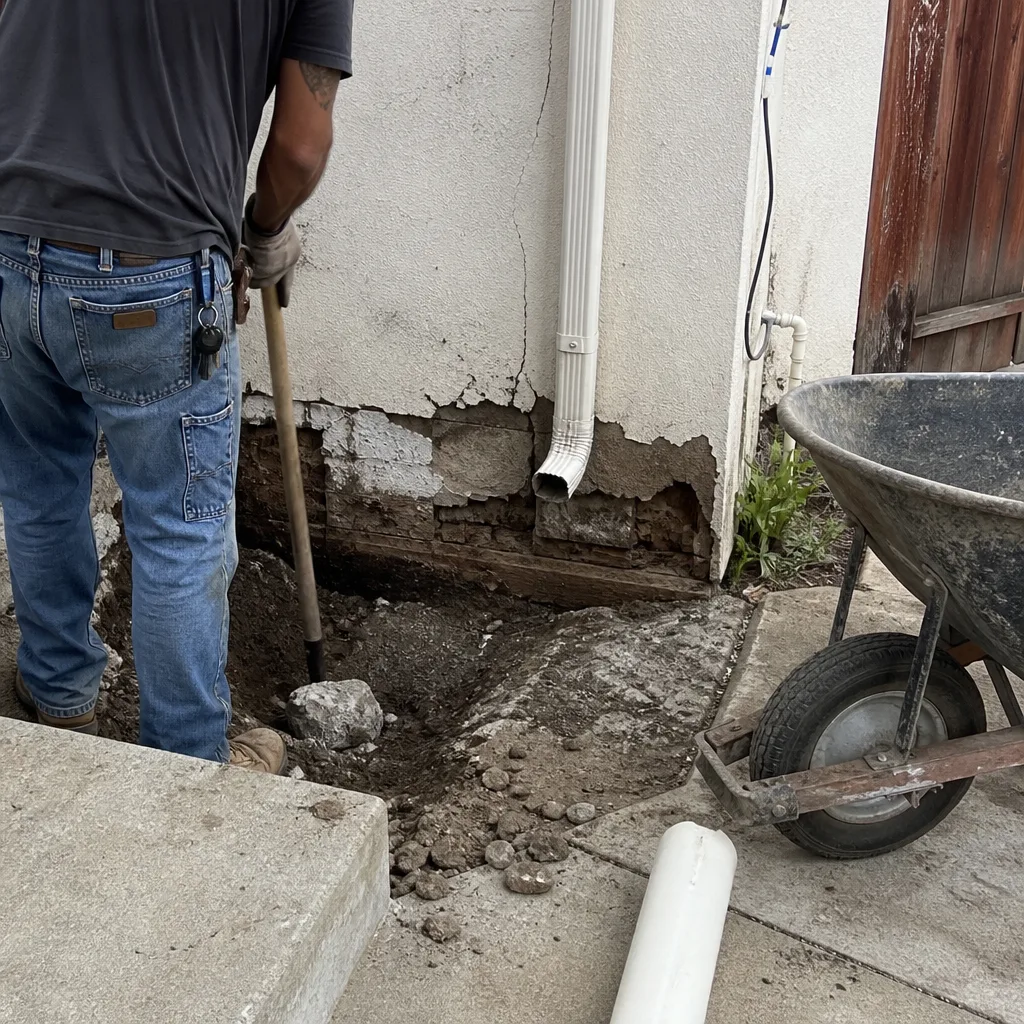 Before
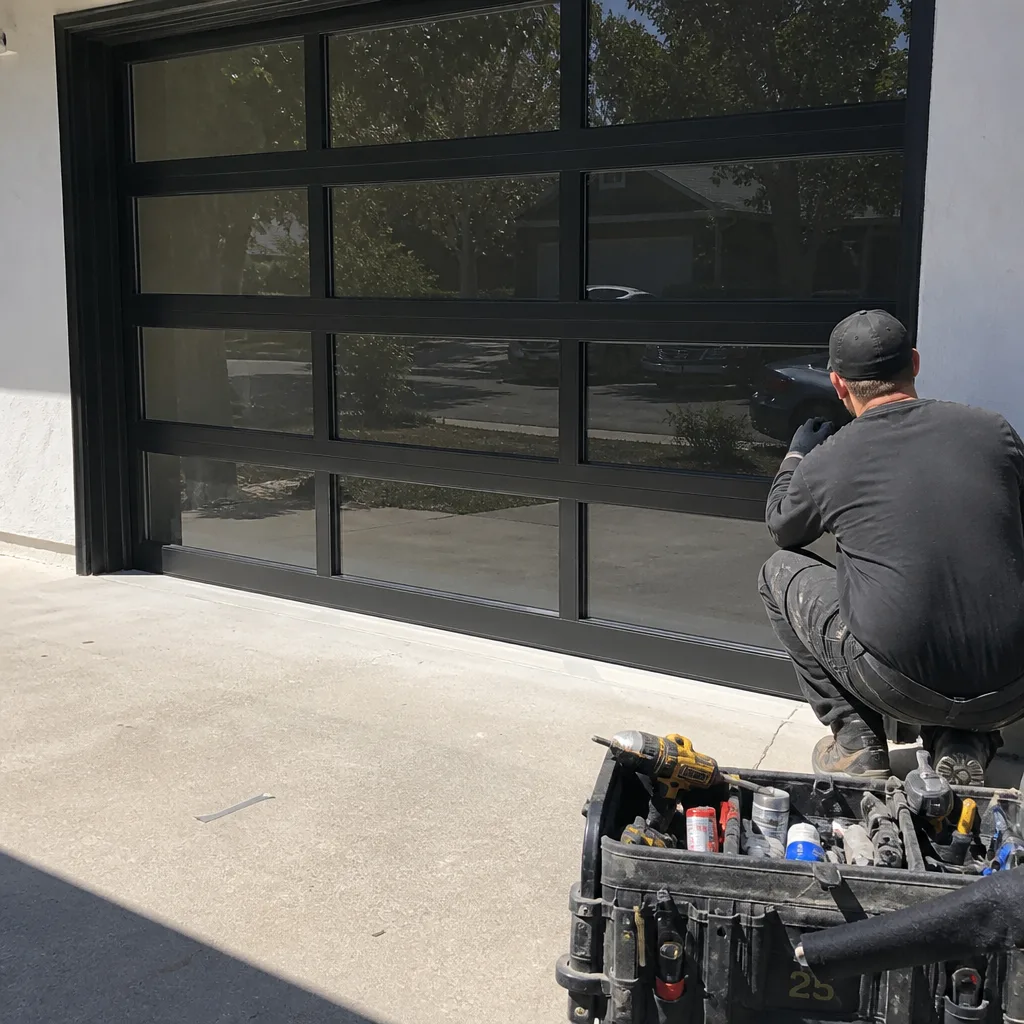 After
 Before
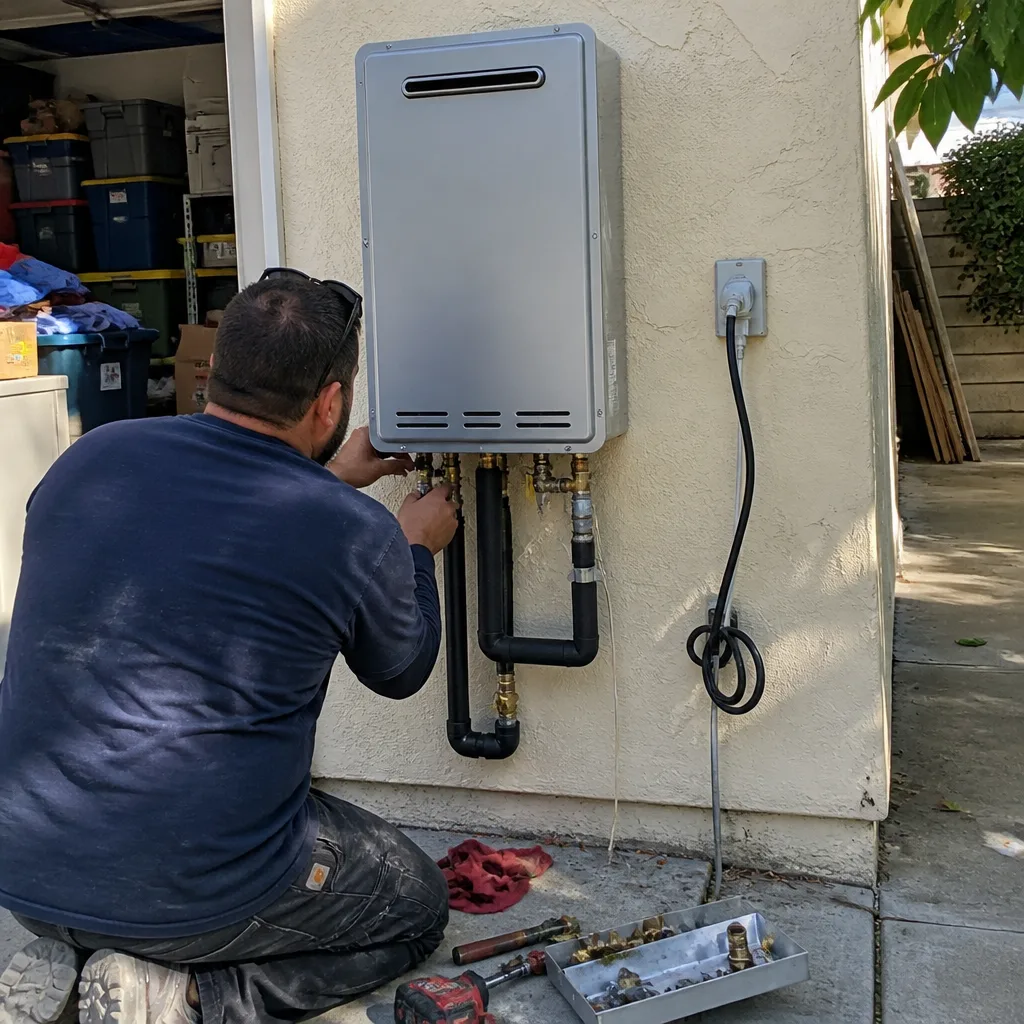 After
 Before
 After
When to Call a Professional
If your Milpitas project involves structural changes, roofing, electrical or plumbing modifications, or any work that requires a permit from the Milpitas Building and Safety Department, you should be working with a licensed general contractor. That’s the minimum threshold, and it’s also where most homeowners start feeling overwhelmed by the coordination demands. If you’re planning a project that touches multiple trades, or an ADU addition, or a full exterior renovation, you’ll want a full-scope contractor who can manage every trade under one contract rather than you managing a rotating cast of specialists. Milpitas Construction offers free estimates in Milpitas. Call (877) 752-4194 to schedule yours, and we’ll walk your property with you, discuss your scope, and provide a written line-item bid for the full project.
Frequently Asked Questions
Home remodel costs in Milpitas vary widely by scope and finish level, and no honest contractor will quote a meaningful number without seeing your project. A bathroom remodel might range from $25,000 to $60,000 depending on fixtures and layout changes, while a kitchen remodel in Milpitas commonly runs $45,000 to $110,000, and an ADU addition can range from $150,000 to $400,000 with prefab options typically landing in the lower-to-mid range.
These are planning numbers, not quotes. The only way to get a real price for your specific Milpitas project is to have contractors bid the same written scope, line by line. A free estimate from a licensed contractor is the right first step so you can compare real numbers, not internet averages. Call (877) 752-4194 to schedule a free estimate and get a written, line-item quote for your specific project.
The price changes only when the scope changes, and only through a written change order signed by you. That’s how a properly managed project works. The danger is when a contractor’s initial bid was incomplete or intentionally low, because then the “changes” are really corrections to the original price, not true scope additions. Protect yourself by insisting on a detailed written scope before signing and a contract that requires written change orders for any deviation. If you’re working with a contractor who writes detailed bids from the start, like the team at Milpitas Construction, the price you sign is the price you get unless you change the scope.
Most remodeling, renovation, roofing, and addition projects in Milpitas require permits from the Milpitas Building and Safety Department, and your contractor should pull them under their license number. Permits are not optional paperwork. They ensure the work is inspected for code compliance, and they protect you when you eventually sell the home and the buyer asks about unpermitted work. A legitimate contractor includes permit costs in the bid. If a contractor suggests skipping permits to save money, walk away.
A bathroom remodel typically takes 3 to 6 weeks from demolition to final inspection. A kitchen remodel in Milpitas usually runs 6 to 12 weeks depending on scope and material lead times. Exterior projects vary by trade: roofing can be done in a week, while a full exterior renovation with new windows, siding, and hardscape might take 2 to 4 months. ADU additions range from 4 to 12 months, with prefab options often cutting site time significantly. The schedule should be part of your written contract, and you should expect milestone updates throughout the project.
A general contractor holds a B classification from the CSLB, maintains bond and insurance requirements, and can legally manage projects involving multiple trades. A handyman is typically unlicensed in California and limited to small jobs under $500 per project. For a Milpitas remodel, renovation, or addition, you need a licensed general contractor. A handyman who quotes your kitchen remodel is either operating illegally or planning to bring in unlicensed help, and you’ll be the one holding responsibility when something goes wrong.
Contractors with established supplier relationships and trade accounts can specify brands with confidence because they know those materials are available, they know the pricing, and they know how to install them properly. Contractors who don’t maintain those relationships keep material language vague because they’re buying from whatever source is convenient that week. For your Milpitas project, insist on brand-specific bids. You want to know you’re getting Cambria countertops, KraftMaid cabinets, or James Hardie siding because those names appeared in your contract, not because of a conversation you had at a showroom. For help choosing the right construction brand, call (877) 752-4194.
The Bottom Line
Hiring a construction contractor in Milpitas comes down to one structural decision: whether you want to manage a collection of independent specialists or hire one accountable general contractor who owns the entire outcome. The first path looks cheaper on paper and rarely is. The second path costs more upfront in explicit coordination, but it eliminates the hidden costs of scope gaps, mismatched trades, and unowned failures.
Verify the license through the CSLB. Confirm insurance. Write a detailed scope. Ask the subcontractor questions. Read the contract sections most people skip. Compare bids on scope, not just price. And pay attention to material sourcing, because the contractor’s supplier relationships determine what actually ends up in your home. Follow those steps, and you’ll hire a contractor in Milpitas who is accountable for the whole project, from the first permit to the final walkthrough, which is exactly what you’re paying for.
Written by the team at Milpitas Construction, serving Milpitas since 2018.